
Last updated October 17, 2026
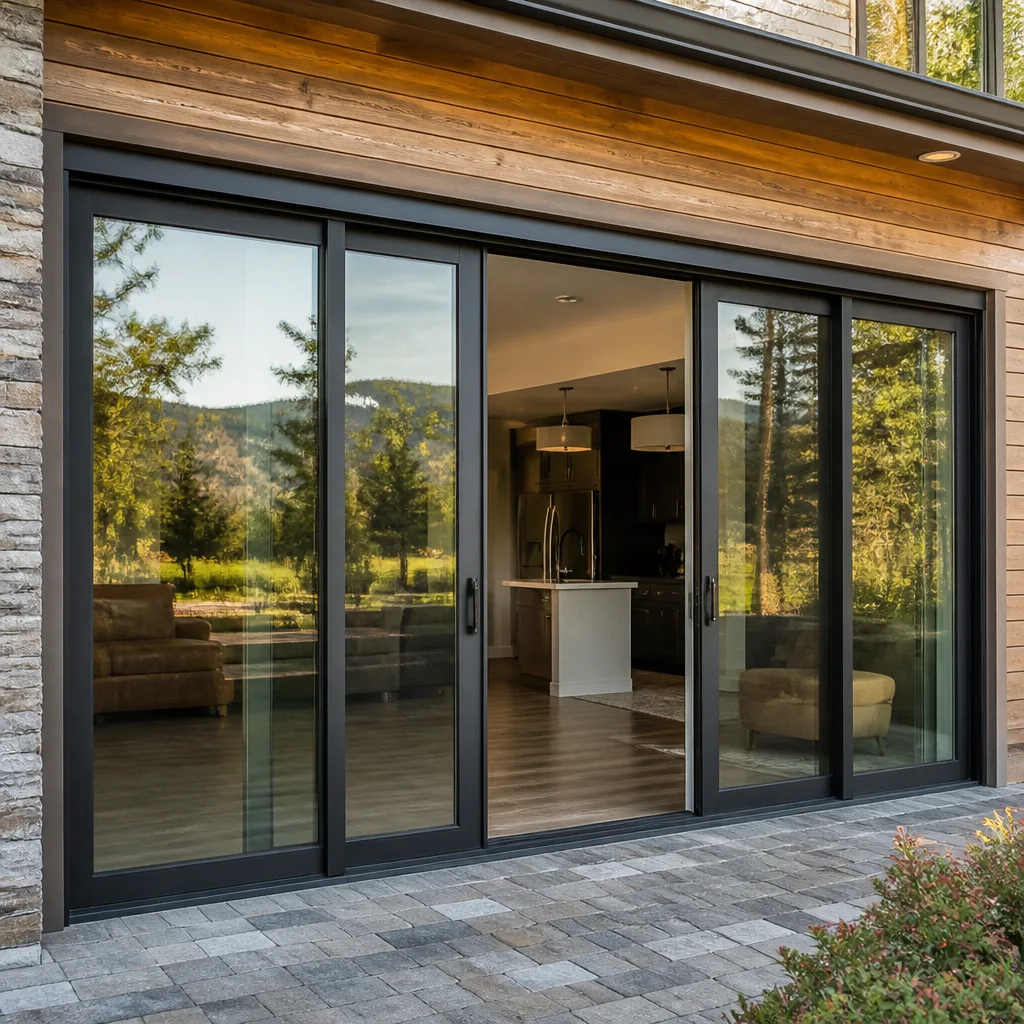 Sliding glass doors
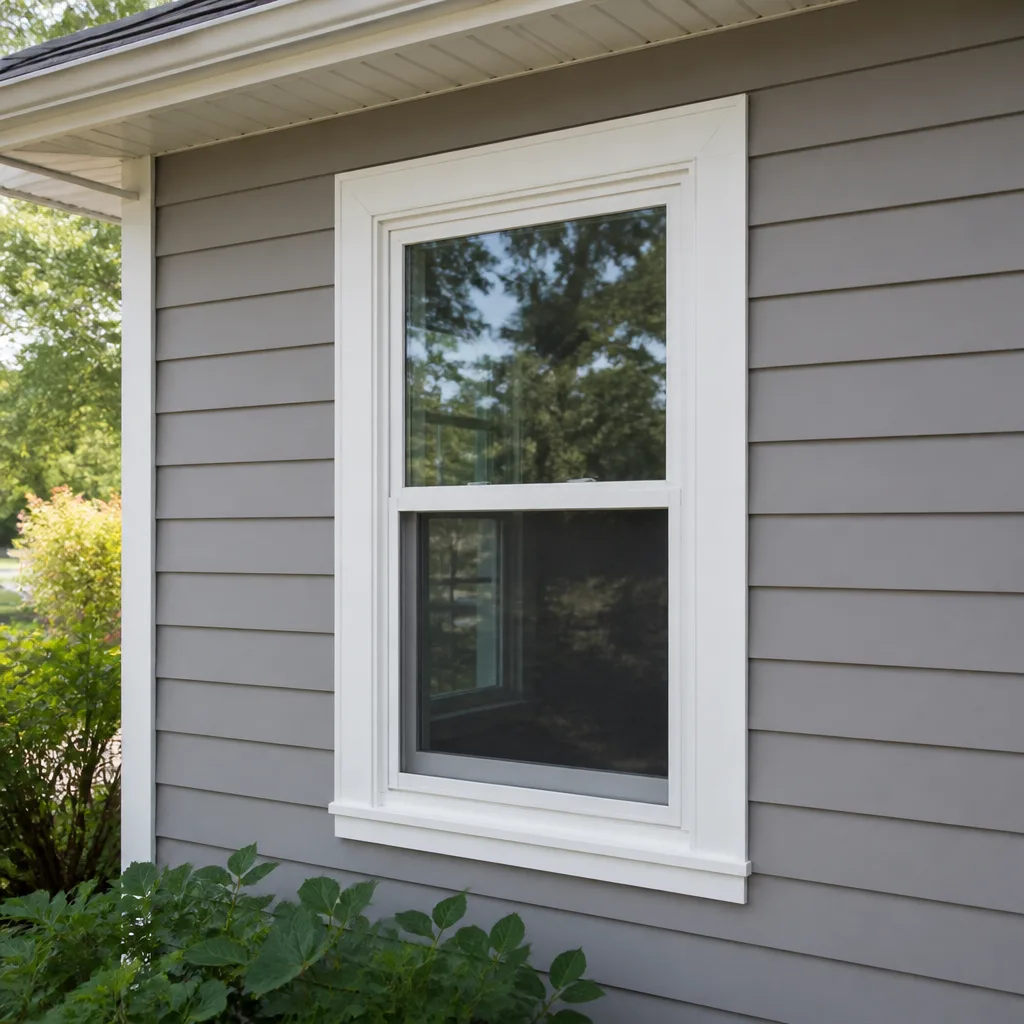 Single hung
 Double hung
 Horizontal roller
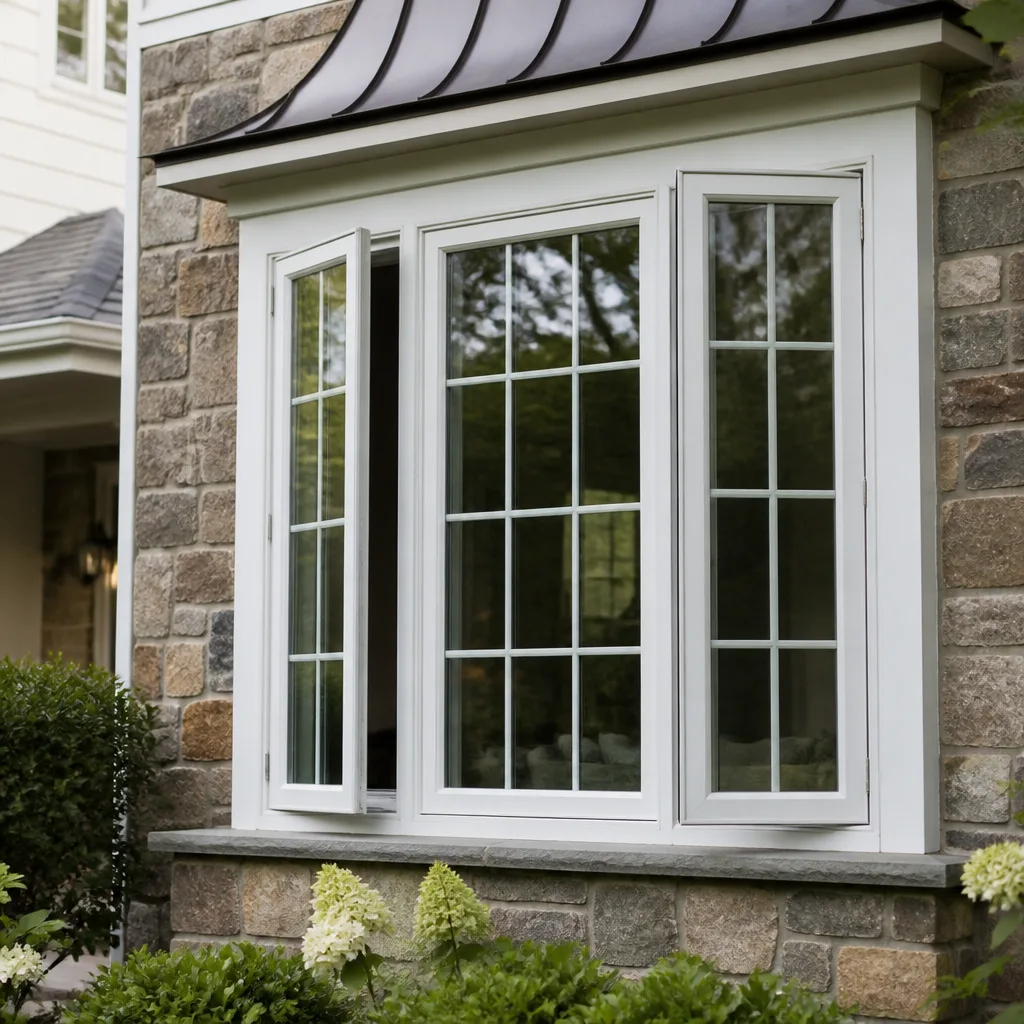 Casement
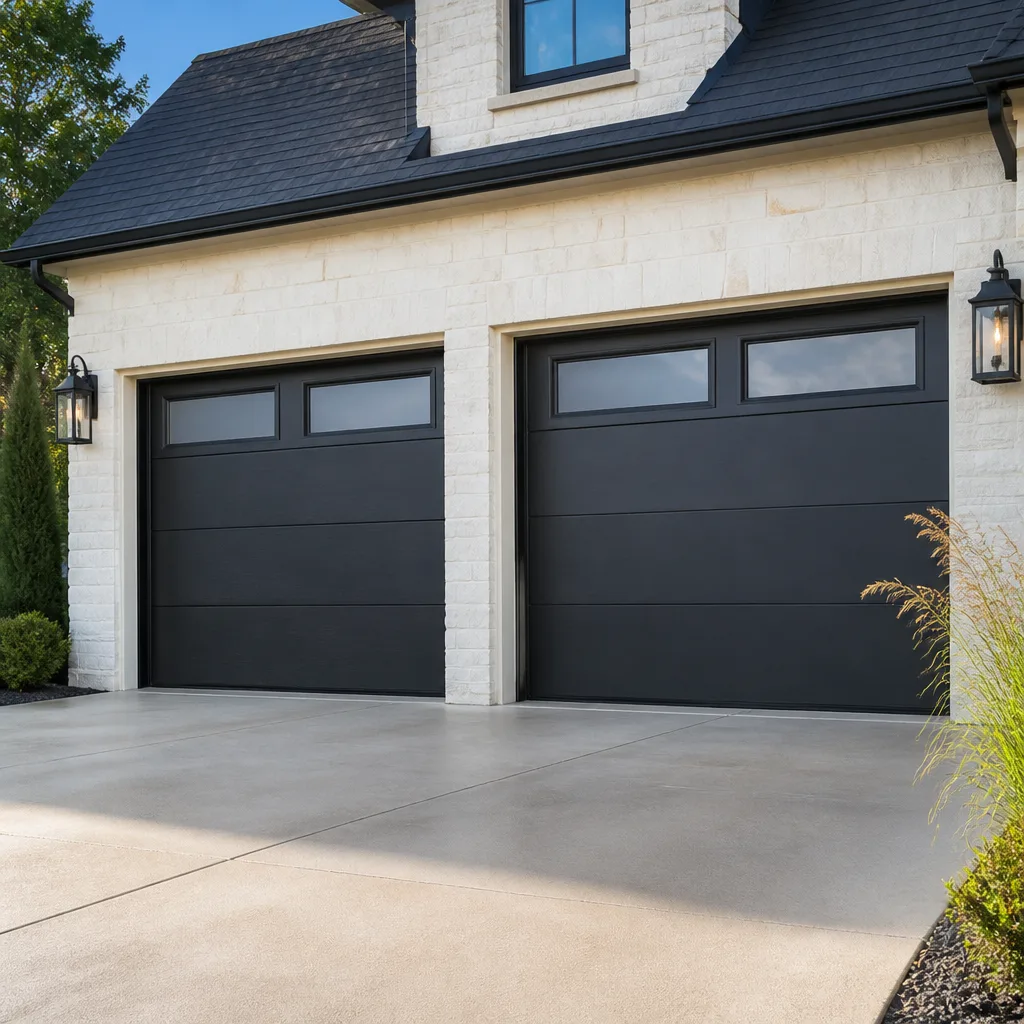 Impact garage doors
 PGT
PGT CGI
CGIFree in-home measure and quote - PGT, CGI and CWS impact lines compared on your actual openings, style by style
Get your free estimateDIY vs Professional Windows & Doors: The Houston Homeowner’s Decision Guide
A window installed without proper flashing in Houston’s climate will typically show no water intrusion for one to three years. That is long enough for a homeowner to feel confident the job was done correctly, and long enough for the damage inside the wall cavity to become a mold remediation problem rather than a sealant fix. This guide walks through which window and door projects are genuinely safe to handle yourself, which ones demand a licensed installer, and what the real cost difference looks like in Houston when you factor in warranty coverage, permit requirements, and the cost of correcting a DIY install gone wrong. For a deeper look at the selection process, see our How to Hire a Windows & Doors Contractor in Houston: A Step-by-Step Guide.
Quick Answer
In Houston, weatherstripping replacement, hardware lubrication, screen repair, and basic caulking are DIY-safe. Full window replacement, new-construction window installation, exterior door installation, and any work on windows in wind-borne debris zones should be handled by a licensed professional, because manufacturer warranties, Houston permit compliance, and insurance claims all hinge on installation meeting specific code standards. The project type, not your confidence level, determines whether DIY makes sense.
Styles & brands we work with
Table of Contents
- The Project-Type Matrix: What’s DIY-Safe and What Isn’t
- What Voids a Manufacturer Warranty in Houston
- The Flashing, Sill Pan, and Air-Sealing Steps You Won’t See on YouTube
- Houston’s Wind-Borne Debris Zone and What It Means for Your Install
- The Real Cost Model: DIY vs Professional in Houston
- When DIY Requires a Professional Correction: The Hidden Expense
- Questions to Ask Any Installer Before They Touch Your Home
The Project-Type Matrix: What’s DIY-Safe and What Isn’t
We hear a version of the same question every week from homeowners across Houston, from the Heights to Katy to Sugar Land. The ask is rarely “can I do this?” It is usually “should I do this?” And the honest answer depends almost entirely on what the project is. The matrix below separates window and door work into three categories: genuinely DIY-safe, risky but possible, and professionally required.
Genuinely DIY-Safe Projects
These tasks do not affect the structural seal, the water-shedding plane of the wall, or the manufacturer’s warranty. A careful homeowner with basic tools can handle them in an afternoon.
- Weatherstripping replacement. Houston humidity breaks down foam and felt weatherstripping within three to five years. Replacing it on an existing door or operable window is a straightforward peel-and-press job.
- Hardware lubrication and tightening. Window cranks, door hinges, and sliding tracks gather Gulf Coast grime. A silicone-based lubricant and a screwdriver solve most stiffness complaints.
- Screen repair. Torn window screens and sliding door screens with sagging mesh can be re-screened at home with a spline roller and a roll of fiberglass mesh from any Houston hardware store.
- Caulking interior trim. The visible caulk line around interior window and door trim is cosmetic. Refreshing it is safe and inexpensive.
Risky but Occasionally Feasible
These jobs sit on a thin line. They can be done by a skilled homeowner, but the failure mode is expensive and the warranty consequences are real.
- Replacing a pre-hung interior door. Doable if the rough opening is square and you have a patient helper. If the opening is out of plumb by more than an eighth of an inch, which happens in older Houston homes with settling slab foundations, shimming it correctly takes practice.
- Replacing a single window insert in an existing frame. A pocket replacement can work if the original frame is completely sound. The risk is that you do not know what is behind the frame until it is out, and Houston’s humidity hides rot well.
Professionally Required
These projects carry legal, warranty, and structural weight. A licensed installer is not optional for these in Houston.
- Full-frame window replacement. Removing the entire window down to the rough opening, then rebuilding the flashing and sill pan system, is the core of what a Window Replacement in Houston job involves. It is not a swap; it is a waterproofing system rebuild.
- New-construction window installation. Setting windows in new openings requires coordinating with framing, sheathing, house wrap, and flashing layers in a specific order. Miss one lap and the wall leaks.
- Exterior door replacement. A Door Installation in Houston includes a threshold pan, jambs set plumb and square, and weather sealing that must survive our rain-driven wind loads. Most DIY exterior door replacements leak within two years if the sill pan is skipped.
- Any window or door in a wind-borne debris zone. This is a Houston code issue with legal and insurance consequences, covered in depth below.
What Voids a Manufacturer Warranty in Houston
Here is the part that surprises most homeowners: the highest-quality window in the world carries a warranty worth exactly nothing if the installation fails the manufacturer’s published requirements. And the fine print matters more in Houston than in almost any other market, because our combination of heat, humidity, and storm-driven rain tests every seal relentlessly.
Most window and door manufacturers write their warranty documents with explicit installation standards. When an unlicensed installer, or a homeowner, deviates from those standards, the manufacturer has a legally defensible reason to deny a claim. The most common warranty voids we see in Houston after a DIY or unlicensed install include:
- Skipping the sill pan. Most major window manufacturers require a sloped sill pan under the window that directs any water that gets past the exterior seal back to the outside. This is the single most-skipped step in DIY installations, and the single most-cited reason in denied water-damage claims.
- Improper flashing tape laps. Flashing tape must be applied bottom first, then sides, then top, so each layer sheds water over the layer below. Applying it top-down, a common DIY error, directs water into the wall instead of away from it. That single mistake voids the warranty and starts the clock on concealed rot.
- Failure to shim at the designated points. Windows are designed to bear weight at specific frame locations. Shimming in the wrong spots bows the frame, the sashes bind, and the thermal seal eventually fails. When a warranty claim comes in for a failed insulated glass unit, the manufacturer inspects the shim pattern first.
- Using the wrong fastener type or spacing. Corrosion-resistant fasteners at the manufacturer’s specified spacing are a warranty condition. Houston’s coastal humidity corrodes standard drywall screws faster than most homeowners expect, and a corroded fastener against a window frame is a warranty claim waiting to be denied.
- Mixing sealant chemistries. Some DIY efforts layer silicone over polyurethane or latex over butyl. The wrong chemistry eats through the sealant below it, which compromises the air and water barrier. The manufacturer’s warranty covers the window, not the failed joint, and the joint failure is what they will point to.
Keith Yamada, who leads Lightwell Windows Houston, has seen enough of these denials to be blunt about it. “The window itself is rarely the weak point,” he says. “It is the interface between the window and the wall. That is where warranties live and die, and that is where the cheapest corner gets cut.”
The Flashing, Sill Pan, and Air-Sealing Steps You Won’t See on YouTube
There is a reason most online tutorials show only the interior view of a window swap: the critical work happens on the exterior side of the rough opening, before the window even enters the frame. Those steps are not photogenic, and they are exactly the steps that determine whether moisture finds its way into the wall cavity in Houston’s climate.
Step One: The Sill Pan Goes in Before the Window
A properly installed sill pan is a sloped, waterproof tray that sits on the rough opening sill. It extends up the sides of the opening and laps over the exterior water-resistive barrier. If any water gets past the window’s exterior seal, which happens eventually in every Houston home, the pan channels it back outside instead of letting it soak into the framing. Without a sill pan, water pools on the sill plate and wicks into the wall. One to three years later, you have hidden rot and mold. The sill pan is the difference between a leak and a drain.
Step Two: Flashing Tape, Bottom to Top, Shingle Fashion
The flashing sequence follows a strict order: the bottom flashing laps onto the sill pan and over the WRB; the side flashings lap over the bottom; the top flashing laps over the sides. Like shingles, every layer sheds water downward and outward. Reversing this order, which happens constantly in DIY installations that follow generic online advice, funnels water inward. This is a five-minute step, and the wrong order turns the entire system into a moisture collection device.
Step Three: Air Sealing the Interior Gap
Once the window is set, the gap between the window frame and the rough opening studs gets sealed on the interior side with low-expansion foam or backer rod and sealant. This is not insulation fluff; it is the air barrier that keeps conditioned air inside and Houston’s humid exterior air from infiltrating the wall cavity. Skip it and you get condensation on the interior frame during summer months, a slow drip of energy loss, and a window that sweats on the inside every August.
Step Four: The Exterior Sealant Joint
The final step is a continuous, tooled sealant joint around the window perimeter, using a sealant rated for Houston’s UV exposure and thermal expansion. The joint must be a three-sided bond or a backer-rod controlled joint, not a fat bead of caulk smeared into a corner. A poorly tooled joint cracks within two seasons, and once the crack opens, water follows it in. This is the finishing step that gives the system its decade-long endurance.
Houston’s Wind-Borne Debris Zone and What It Means for Your Install
Houston sits in a region where building codes require windows and doors in certain areas to be impact-resistant or protected by shutters. The exact requirement depends on your address, because Harris County and the surrounding counties divide into wind speed zones, and some neighborhoods fall inside the wind-borne debris region designated by the International Residential Code and local amendments. This is not a suggestion buried in a codebook; it is a legal installation standard tied to your home’s permitted envelope.
What does this mean for the DIY decision? It means a homeowner cannot legally self-install a non-impact window or door in a wind-borne debris zone and then sell the home, pass a reinspection, or make a storm-damage insurance claim without answering for it. If a window fails during a storm because it was not rated for the zone and was not installed to the zone’s structural requirements, the insurance adjuster can and will deny the claim. The permit history is checked, and a DIY install with no permit and no wind-load documentation is a claim killer.
Licensed Houston installers pull the permit, document the product ratings, photograph the flashing sequence for the inspector, and keep the paperwork that proves your home meets code. That documentation is part of what a professional installation represents; it is not just labor. It is the legal paper trail that protects you when something goes wrong, whether that is a leak, a storm claim, or a future home sale.
For homeowners in Houston neighborhoods that fall within the wind-borne debris zone, the DIY question essentially answers itself: full window and door replacement needs a licensed contractor. The liability otherwise sits directly on you.
The Real Cost Model: DIY vs Professional in Houston
Let us put numbers on the table, because the DIY savings pitch usually only shows half the math. The honest comparison includes product pricing, labor hours, tool costs, disposal fees, and the probability-weighted cost of correcting a mistake. Most window replacements in Houston run between $800 and $1,800 per opening for a professional, permit-pulled, warranty-backed installation, depending on the window type, size, and whether it is an insert or full-frame job.
What a DIY Install Actually Costs
The retail price of a mid-grade vinyl window at a Houston home center typically runs $400 to $700 per unit. That number feels like a bargain against a professional install, until the full receipt comes into view:
- Tools and consumables you probably do not have. A proper shim set, low-expansion foam, flashing tape, sill pan material, backer rod, sealant, and a clean-up kit add $90 to $160 for a single window, or more if you buy in small quantities.
- Disposal. Hauling a heavy, glass-filled aluminum or wood window to a Houston dump is a truck load and a disposal fee, not a curb pickup. Most homeowners pay $50 to $120 in disposal costs for a two- or three-window project.
- Your labor. A first-time window replacement realistically takes 4 to 8 hours per window, including the exterior flashing work, interior trim, and cleanup. That is a full weekend for two or three windows, and it assumes nothing goes wrong.
- Permit fees. If you do it legally, a Houston residential window replacement permit costs money and requires an inspection. If you skip it, you save the fee but carry the liability.
What a Professional Install Costs
A professional installation from Lightwell Windows Houston includes the window at contractor pricing, the flashing and sill pan system, the permit, the inspection scheduling, the disposal, and the labor of a crew that has done this hundreds of times. The contractor pricing on the window alone often closes $100 to $250 of the gap per unit, because we buy direct from brands like PGT, Mr-Glass, and Therma-Tru at volume rates a retail shopper cannot touch.
The total cost difference for a typical three-window project between a careful DIY job and a professional install in Houston lands around $1,200 to $2,400. That is a real number. But the correction cost model below changes what that difference actually means.
When DIY Requires a Professional Correction: The Hidden Expense
Here is the part of the DIY calculation that almost never appears in the spreadsheet: what happens when the install is not right? Based on what we see across Houston service calls, a meaningful percentage of DIY window and door installations require some level of professional correction within the first two years. The correction almost always involves removing the window or door, inspecting the rough opening, repairing whatever moisture or air-sealing damage occurred, and reinstalling from scratch.
A professional correction of a poorly installed window in Houston typically costs more than the original professional installation would have. The sequence is predictable:
- Removal and inspection. The window comes out, the flashing gets peeled back, and the framing gets inspected for rot or water staining. This is a half day of labor.
- Framing repair. If the sill plate or the king and jack studs show moisture damage, which they often do after a year or two of Houston humidity intrusion, the damaged wood gets replaced or reinforced. This adds material and labor.
- Flashing and sill pan rebuild. The entire waterproofing sequence from the flashing section above gets redone correctly. This is the part of the job that should have been correct on day one.
- Window reset, trim, and finishing. The window gets reinstalled, the interior trim replaced or repaired, and the exterior sealed.
When you total the original DIY costs and the professional correction, the combined spend usually exceeds what a licensed install would have cost from the start. That is the number the DIY savings pitch never shows. It is also why we tell Houston homeowners that the project-type matrix matters more than the confidence level: a door you can replace yourself and a door you should not are two different projects, even though they look identical from the inside.
Questions to Ask Any Installer Before They Touch Your Home
Whether you choose Lightwell Windows Houston or another company, there is a specific set of questions that separates a real professional installation from a crew that merely swaps windows. Every licensed installer should answer these directly and without hesitation. If one evades the question, treat that as your answer.
- “Will you pull a permit for this work?” In Houston, window and door replacement that changes the building envelope requires a permit. A licensed installer pulls it and schedules the inspection. A crew that tells you a permit is not needed is telling you they plan to work outside the code.
- “Do you install a sill pan on every window?” The correct answer is yes, unconditionally. This is the single most important waterproofing element, and it should not be an upgrade or an option.
- “What flashing tape system do you use, and in what order do you apply it?” A professional can describe the bottom-to-top, shingle-fashion sequence in ten seconds. If they cannot, they have not been taught it.
- “Are your windows rated for my neighborhood’s wind zone?” This demonstrates that the installer knows Houston’s code requirements vary by address, and that they check your specific zone before recommending a product.
- “What does your warranty cover, and what does the manufacturer’s warranty cover?” A good installer distinguishes between the two clearly. The manufacturer covers the product; the installer should cover the labor and the waterproofing workmanship.
- “Will I get a written price before the work starts?” Lightwell Windows Houston operates on no-hassle upfront pricing: a written price before any work begins, always. Any credible contractor should offer the same, because it protects you from the invoice surprise at the end of a job.
Ask these questions up front, and ask them the same way for every bid. The answers will tell you more about the installation quality than the brand on the window ever will.
How Lightwell Windows Houston Approaches a Professional Install
When we install windows or doors in a Houston home, the job follows the same sequence every time, and the homeowner sees the process unfold in the written proposal before it begins. The scope includes the sill pan, the flashing sequence, the interior air sealing, the exterior sealant joint, the permit, the inspection, and the cleanup. No part of the waterproofing system is optional, and no part of the price is hidden.
The crew operates under the C.A.R.E. values on every visit: Clean up like it is our own home, Ask before we move or touch anything, Respect the family’s time and quiet hours, and Explain the price before the work. Shoe covers and drop cloths go down before any furniture is touched. Pet-safe products get used wherever there is a choice. A photo of the clean job site gets taken before the crew leaves, so you can see the condition of your floors and furniture after the work is done.
We carry eight manufacturer brands, including PGT, Mr-Glass, Therma-Tru, and ViewLux, which means the recommendation fits the specific wind zone, exposure, and opening dimensions of your home rather than an installer’s preferred vendor list. The goal is never to sell a particular brand. The goal is to match the right product to the right opening, in a climate where every seal eventually gets tested.
Every job is covered by the 365-Day Done Right Promise: if the finished work is not right, Lightwell makes it right. No debate, no countdown. That promise is stamped on every job, from a single window insert to a full-home replacement. We have been operating to the Cedarwell Care Promise since 2010, and the measure of the work is what your home looks like a year after the install, not just the day we leave.
See the difference
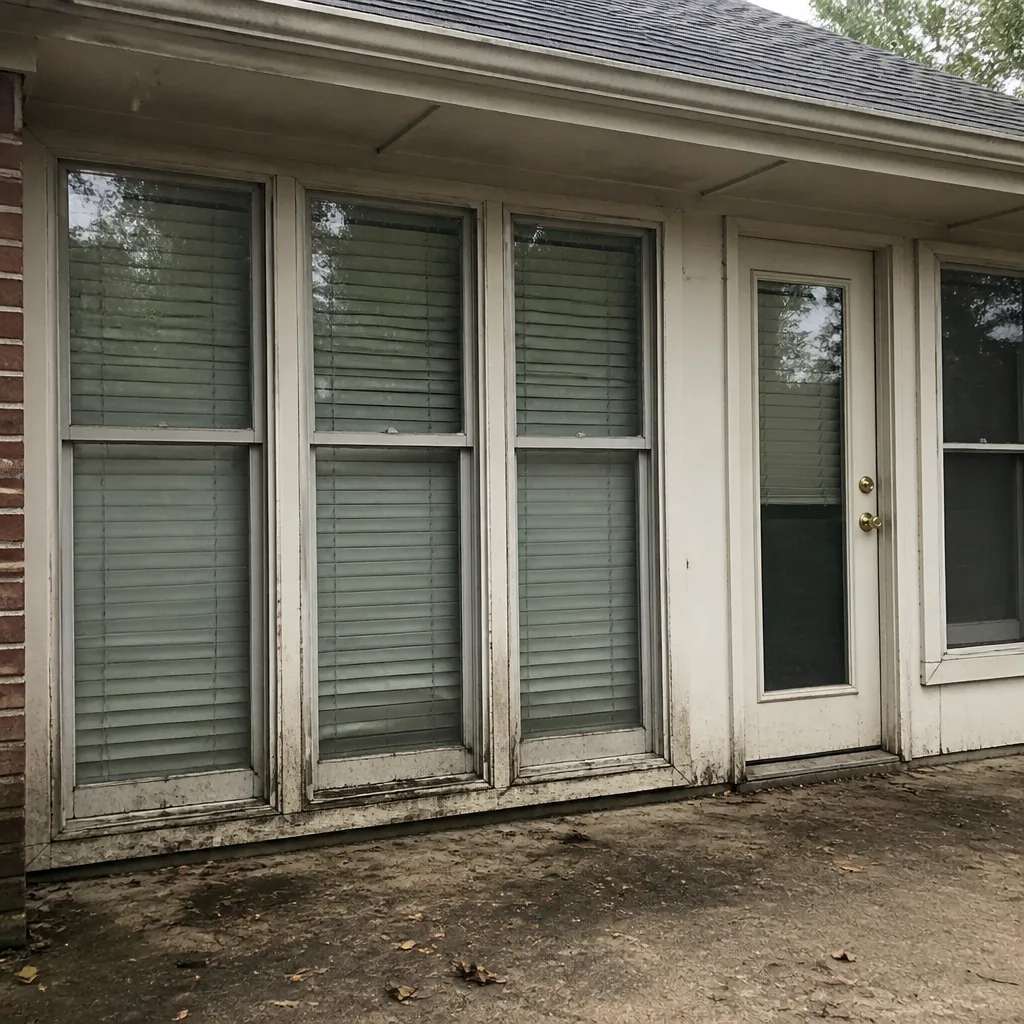 Before
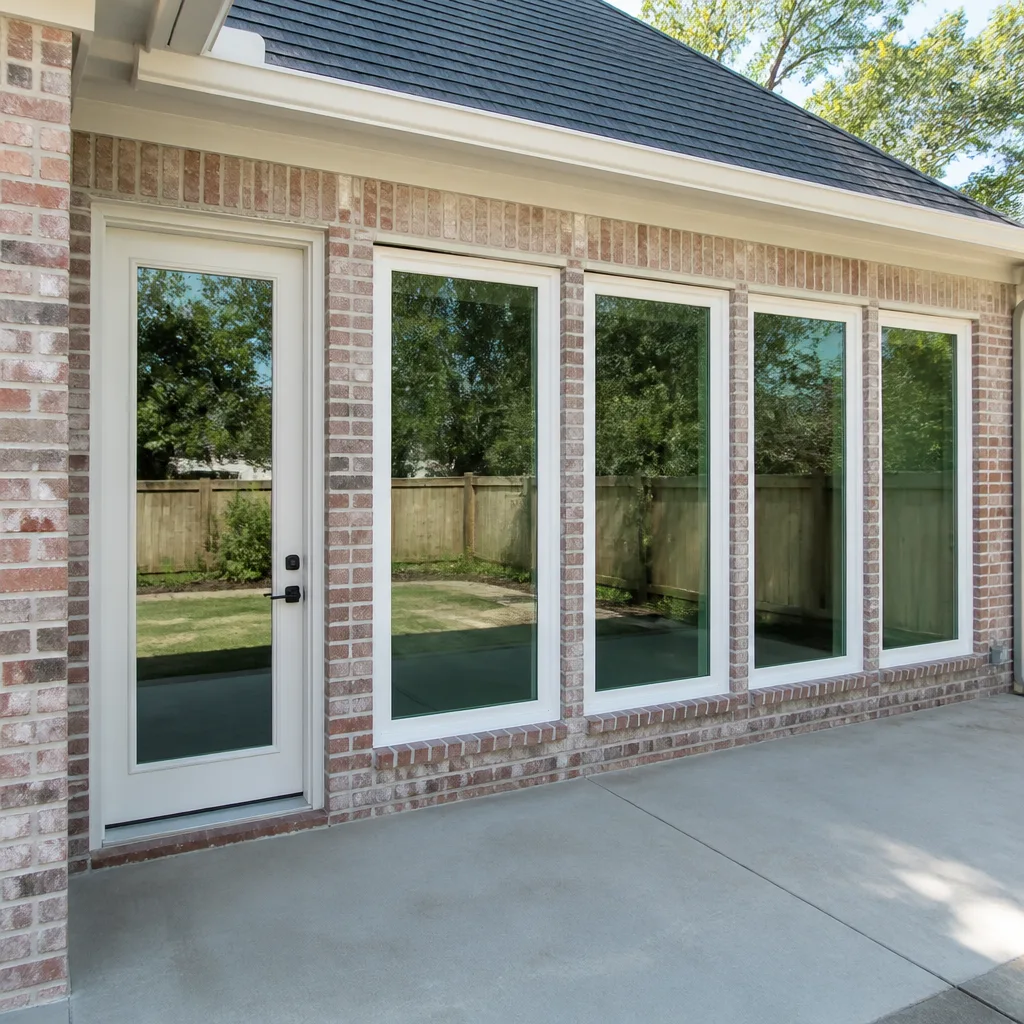 After
After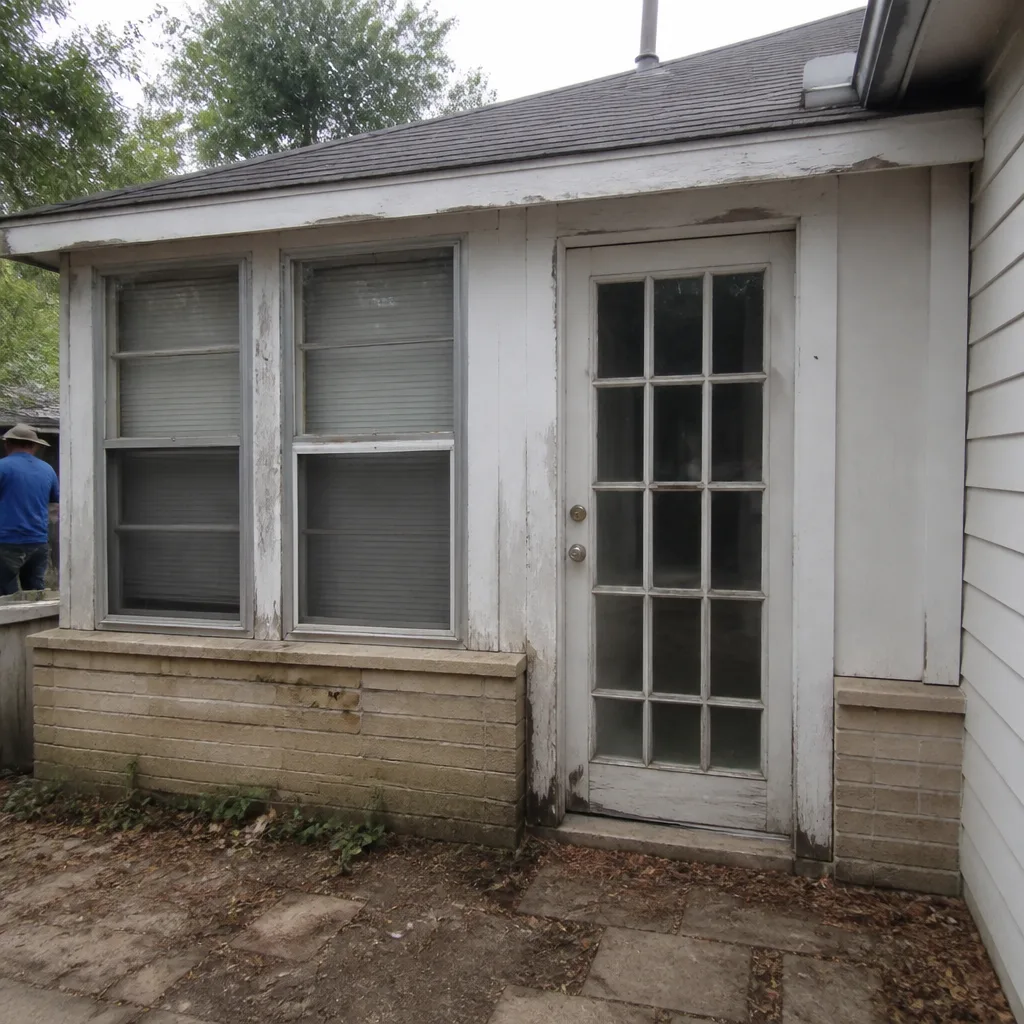 Before
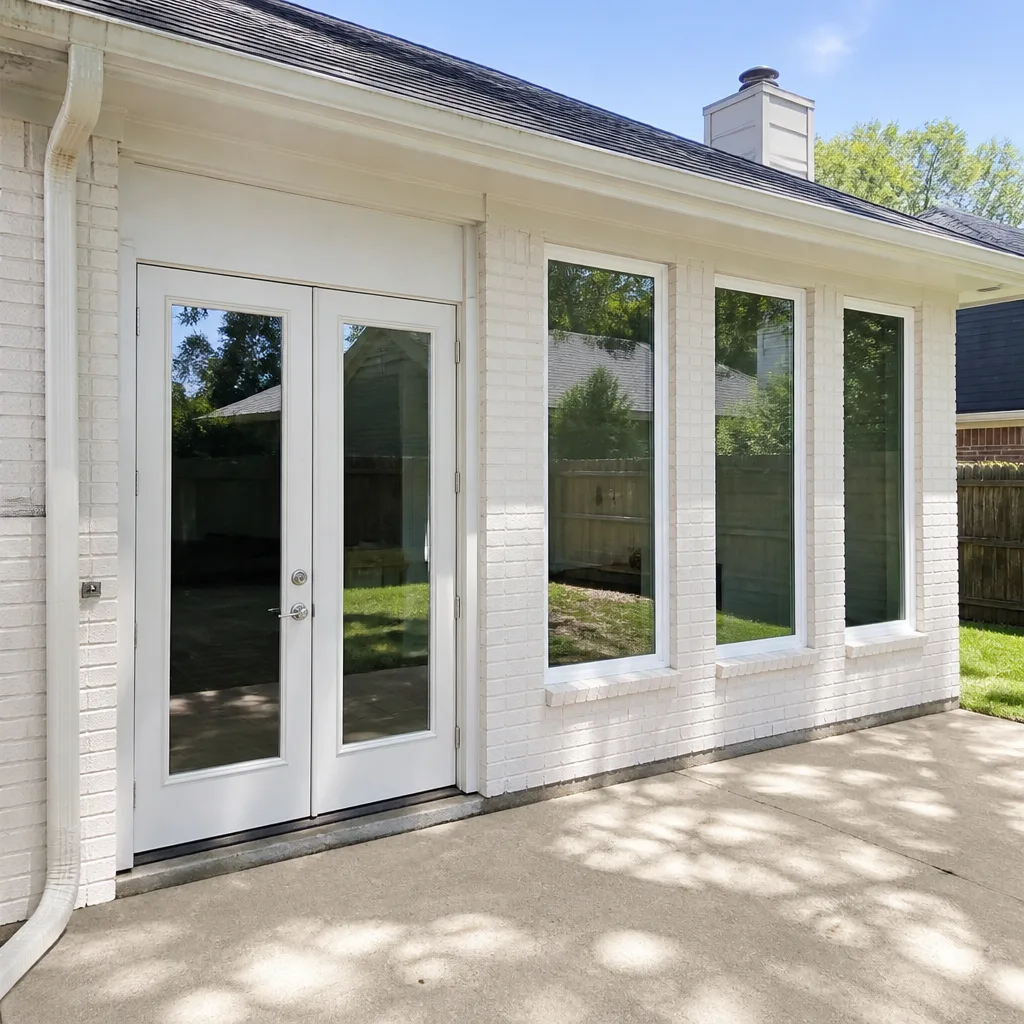 After
After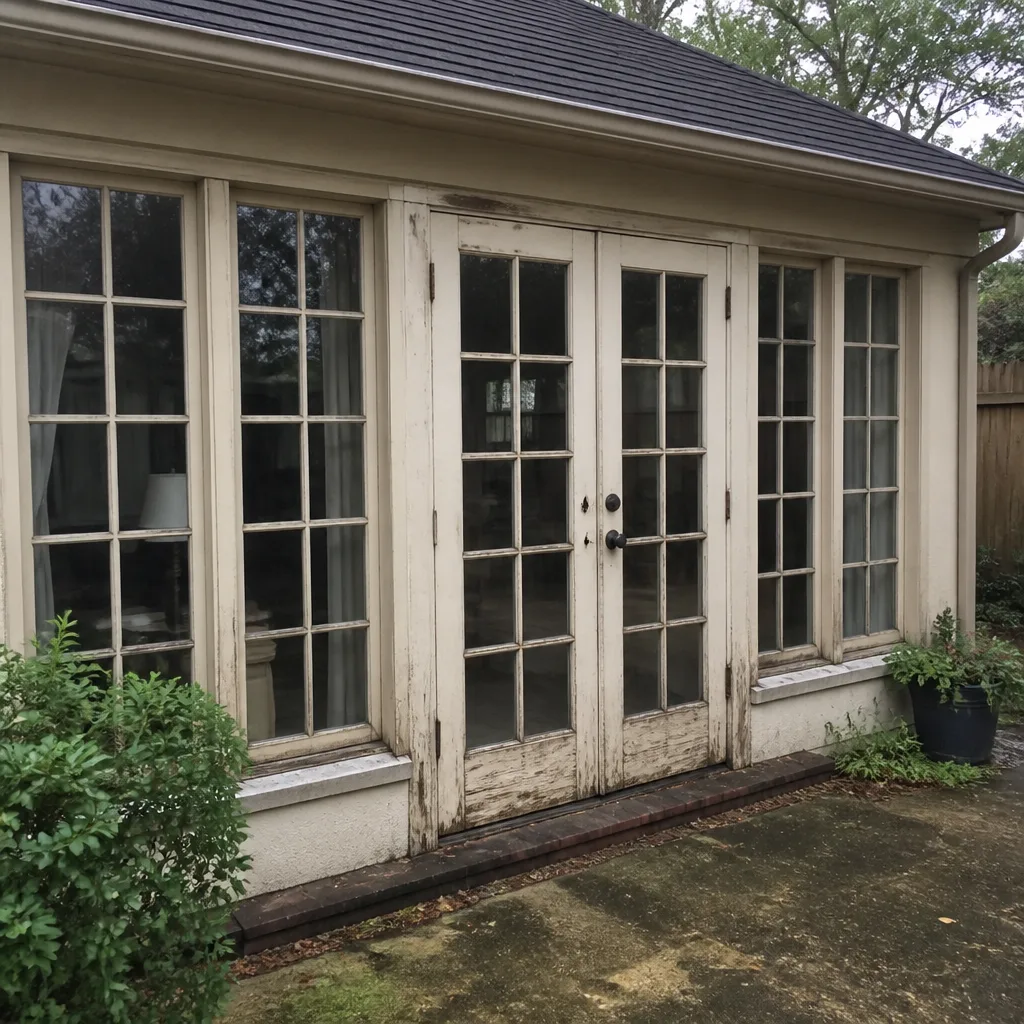 Before
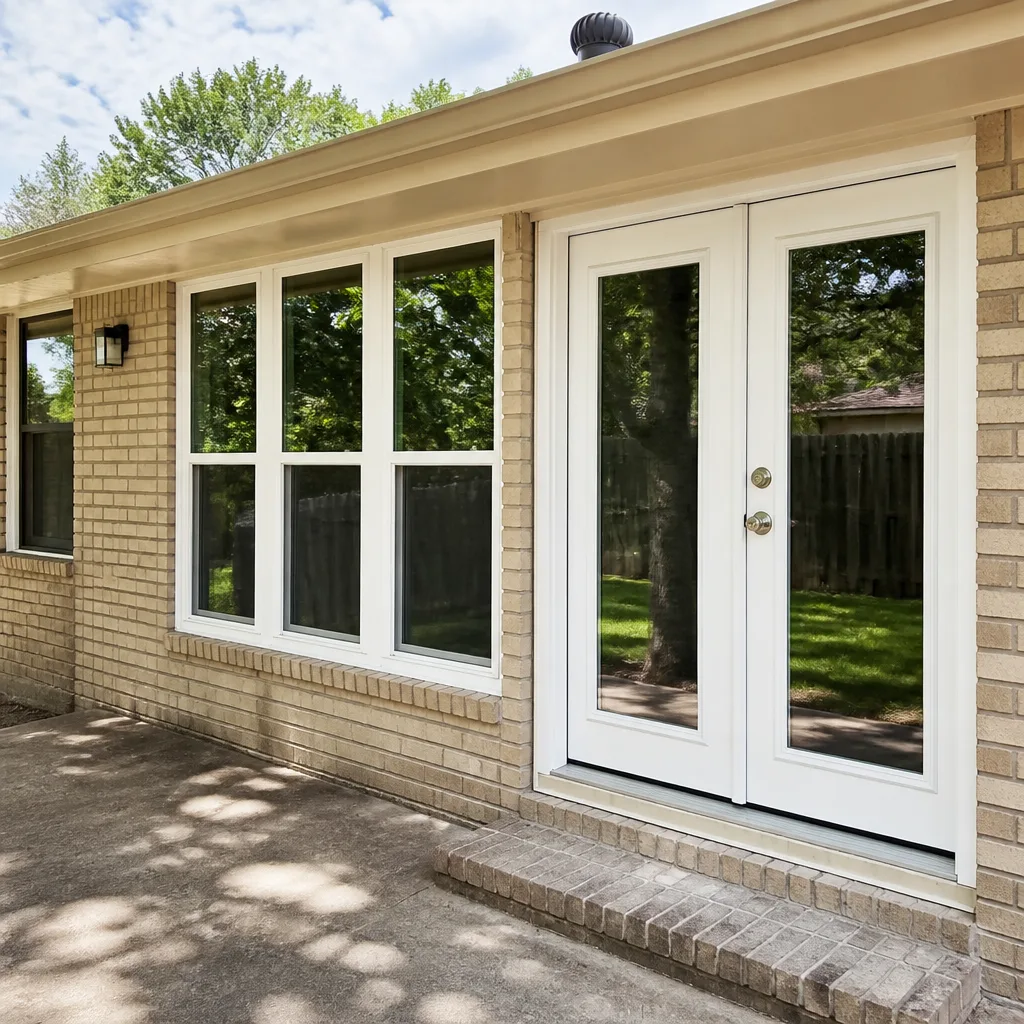 After
AfterCommon Mistakes to Avoid
- Assuming all windows are the same product at different price points. A window rated for a Houston wind-borne debris zone is structurally different from one rated for inland Dane County. Using the wrong product in the wrong zone means installing a window that cannot legally or safely serve that opening.
- Treating the permit as optional. Houston permit requirements are not red tape. They are the documentation trail that protects your insurance claim and your home sale. Skipping the permit saves a few hundred dollars now and can cost tens of thousands later.
- Skimming on flashing because it is invisible. The flashing and sill pan are the parts of the install no one sees after the trim goes back on. They are also the parts that determine whether your wall stays dry. Every shortcut here is a hidden time bomb.
- Confusing a warranty with a guarantee of installation quality. The manufacturer’s warranty covers the window. It does not cover a leaking rough opening, a bowed frame from bad shimming, or a failed sealant joint. Those are installer responsibilities, and they are exactly what the 365-Day Done Right Promise addresses on every Lightwell job.
- Believing the DIY savings is the final number. The correction cost model shows that a DIY install that needs professional fixing costs more than a professional install from the start. If you would not pay twice for the same window, factor the correction probability into your spreadsheet.
- Choosing an installer based only on price. The cheapest Houston window quote usually arrives without a permit line item, without a sill pan specification, and without a flashing sequence in writing. Those omissions are how the price got low.
When to Call a Professional
Call a professional when the project touches the building envelope: full-frame window replacement, new window installation, exterior door installation, or any work in a wind-borne debris zone. These are the jobs where the waterproofing sequence, the permit, and the warranty documentation matter more than the labor itself. A licensed installer protects the wall cavity, preserves the product warranty, and carries the liability if something fails. Lightwell Windows Houston offers free estimates throughout the Houston area; call (254) 401-4583 and we will walk you through the exact scope for your home, in writing, before any work begins.
Frequently Asked Questions
Most window replacements in Houston run between $800 and $1,800 per opening for a professional, permit-pulled installation, depending on window type, size, and whether the job is an insert or full-frame replacement. The price includes the window, flashing and sill pan, labor, permit, inspection, and disposal. Call (254) 401-4583 for an exact quote on your specific windows; estimates are free.
In most Houston jurisdictions, a homeowner can legally install their own windows if the work complies with code and a permit is pulled by the homeowner or the contractor. The practical catch is that the installation must meet the same flashing, sill pan, and wind-rated product standards that a licensed installer provides, and the homeowner carries the full liability if the waterproofing fails. For full-frame replacement or wind-borne debris zones, DIY is a risk with consequences far beyond the labor saved.
Skipping the sill pan is the most common and most expensive DIY window mistake we see in Houston. The sill pan is the sloped waterproof tray that directs water back outside instead of into the wall framing, and without it the moisture damage begins inside the wall cavity within one to three years. The mistake is invisible until the rot and mold show up, by which point the correction cost has grown significantly.
No. A manufacturer’s warranty covers the window itself: glass seal failure, frame defects, hardware malfunctions. It does not cover a leaking rough opening, rotted framing, air leaks, or any consequence of improper installation. In fact, if the manufacturer determines that installation errors caused the failure, the warranty claim gets denied. That is why the installation standard matters as much as the warranty document.
A professional crew typically installs 5 to 8 windows per day on a straightforward replacement job, with a full-frame replacement taking longer per window than an insert. The timing depends on access, the condition of the existing framing, and whether any hidden rot needs repair. Your written estimate should include a clear timeline before any work starts.
Look for a licensed installer who pulls permits, includes a sill pan on every window without being asked, can describe their flashing sequence in order, checks your neighborhood’s wind zone before recommending a product, and puts a written price in front of you before the work begins. Those five signals separate a legitimate Houston installation from a cheap window swap, and they protect you from the most common failures. For a printable reference, download our Window Replacement Maintenance Checklist for Houston Homeowners.
The Bottom Line
The DIY versus professional decision for Houston windows and doors is not a test of your handiness. It is a matter of which projects carry real waterproofing, warranty, and code consequences, and which ones are genuinely simple. Weatherstripping, screens, and hardware lubrication are safe weekend work. Full-frame window replacement and exterior door installation are water-management systems, and they deserve a licensed installer who owns the liability and documents the work. The savings from a DIY install that needs correction evaporates when you factor in the cost of fixing an unseen flashing error. For any project that touches the building envelope, the responsible move is a professional with a written price and a workmanship promise. Call Lightwell Windows Houston at (254) 401-4583 to schedule a free estimate.
Written by Keith Yamada, Owner at Lightwell Windows Houston, serving Houston since 2010. Explore more guides & resources on windows and doors.
Six Reasons Homeowners Choose Lightwell Windows Houston
Laminated glass and reinforced frames hold up to wind-driven rain, hail and flying debris, so your openings stay sealed when the weather turns.
Low-E insulated impact glass from our manufacturer lines commonly cuts monthly cooling bills 20-30%.
Laminated impact glass shuts out up to 40% of outside noise - traffic, neighbors, weather.
Monitoring services run $30-90 a month. Laminated impact glass resists forced entry around the clock, with no subscription.
Tighter seals and insulated glass even out hot and cold rooms and stop the drafts at the frame.
A full impact package upgrades curb appeal, buyer confidence and appraised value in one project.