
Last updated October 17, 2026
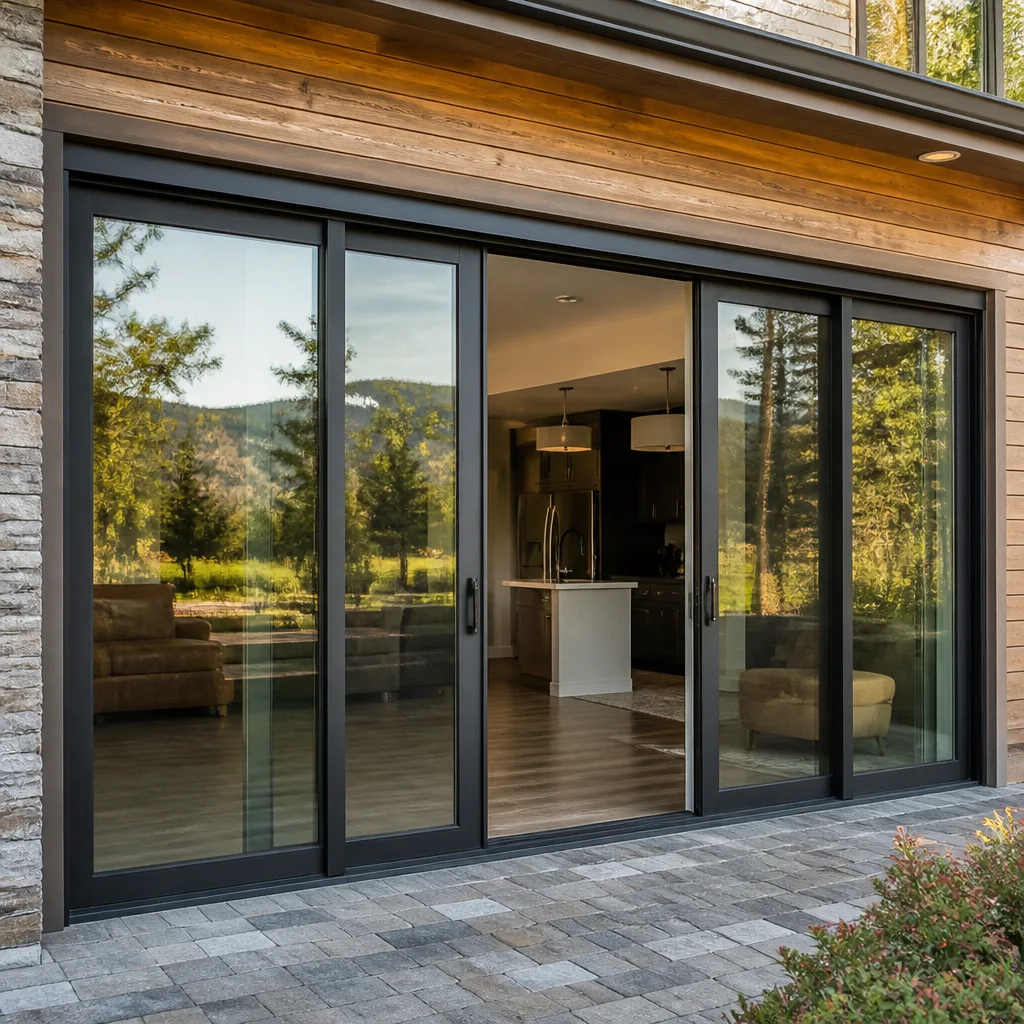 Sliding glass doors
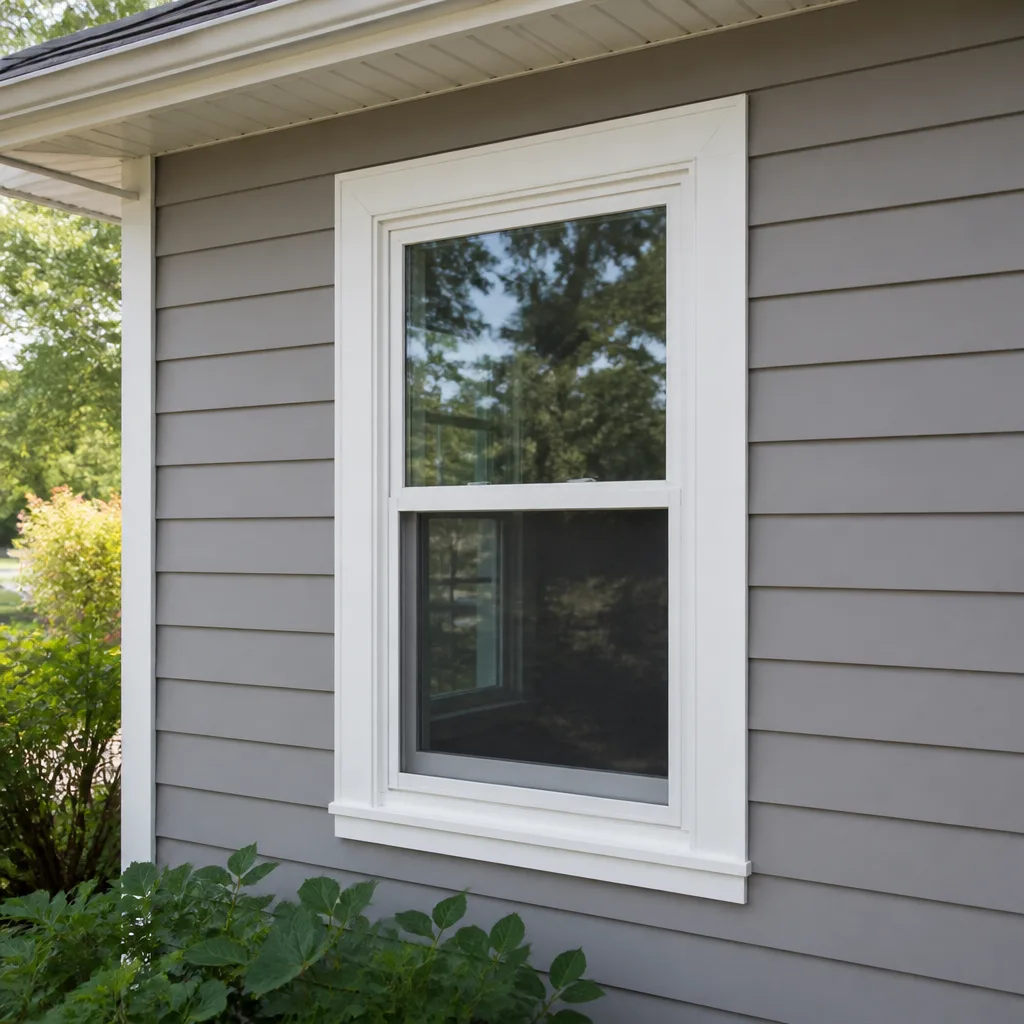 Single hung
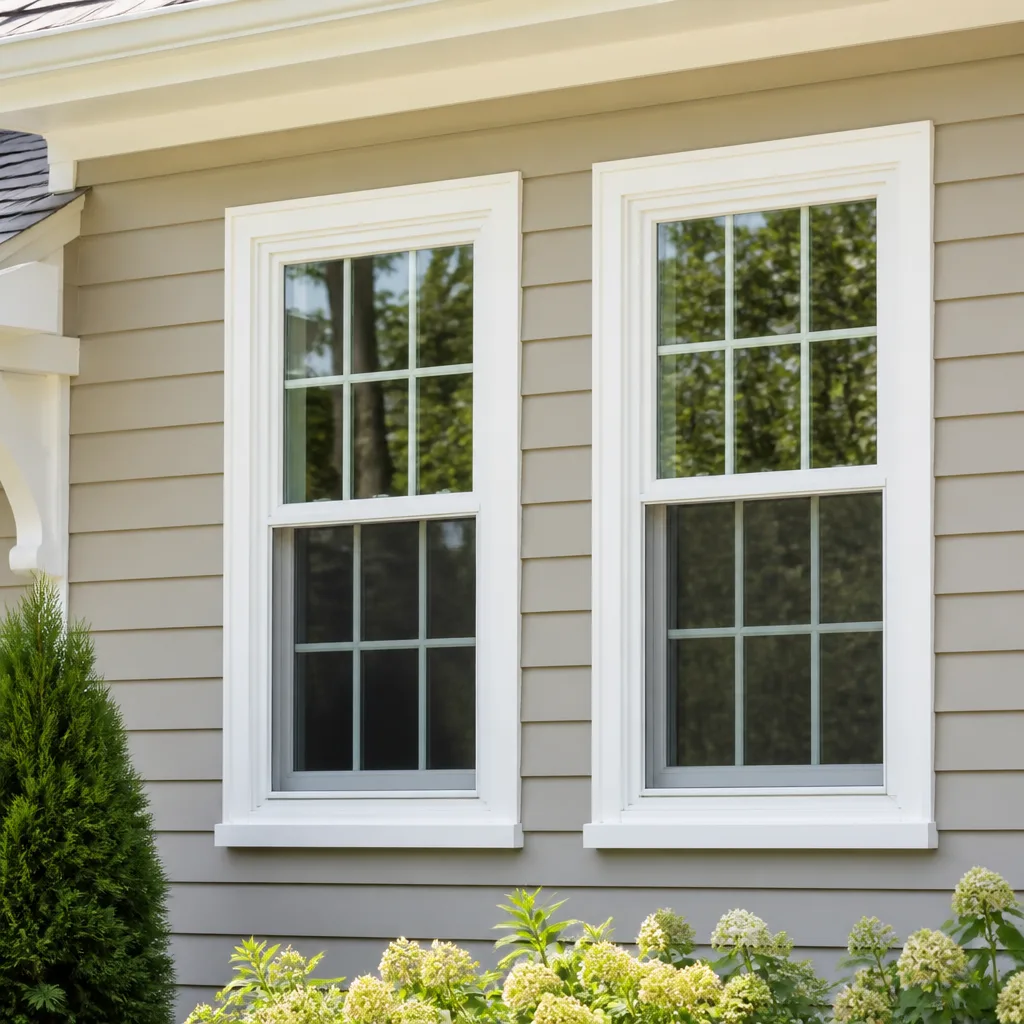 Double hung
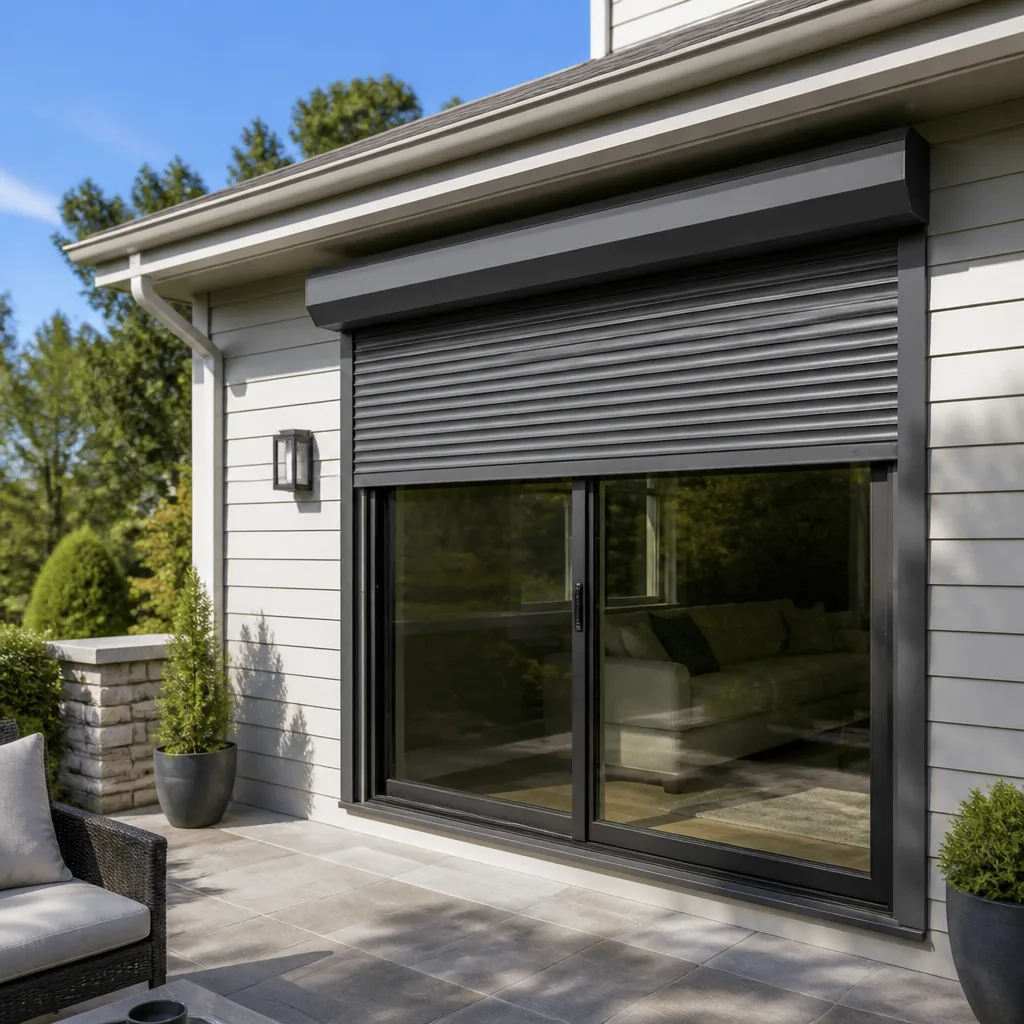 Horizontal roller
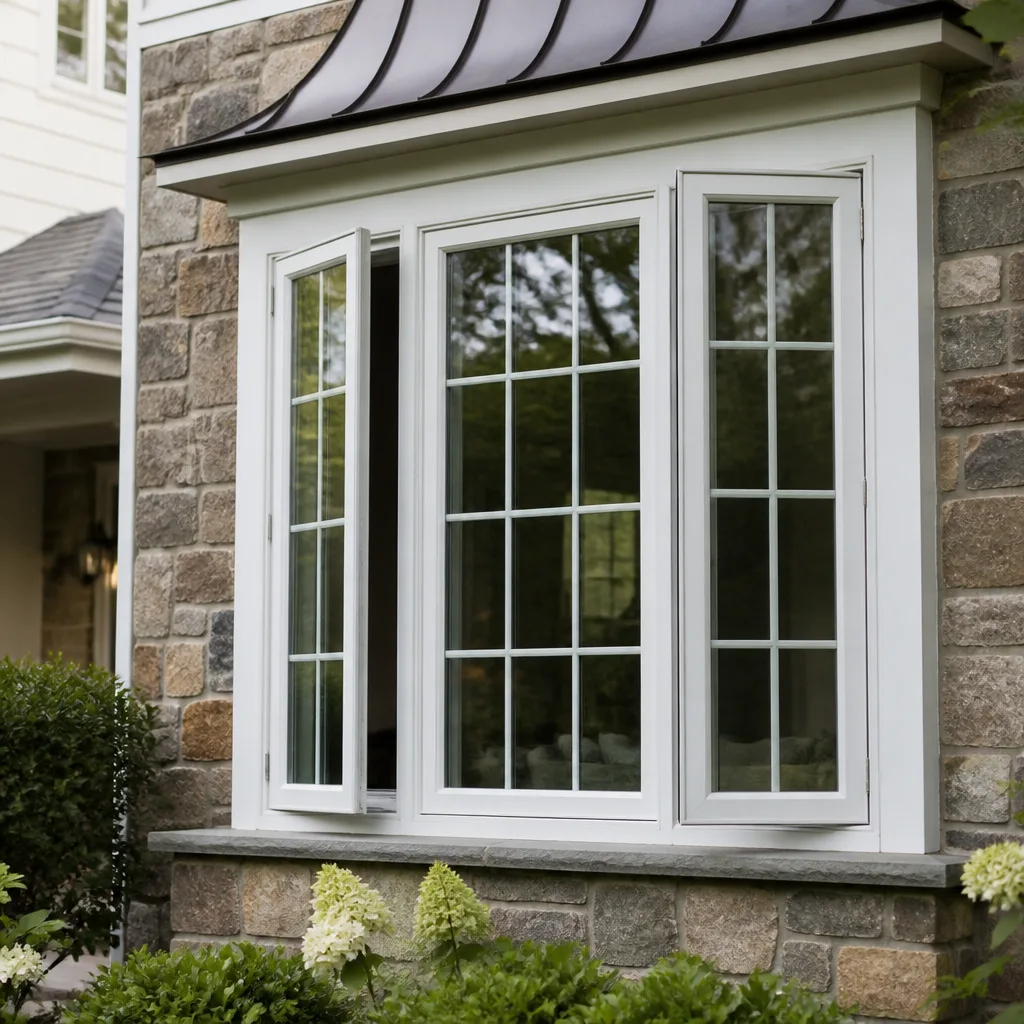 Casement
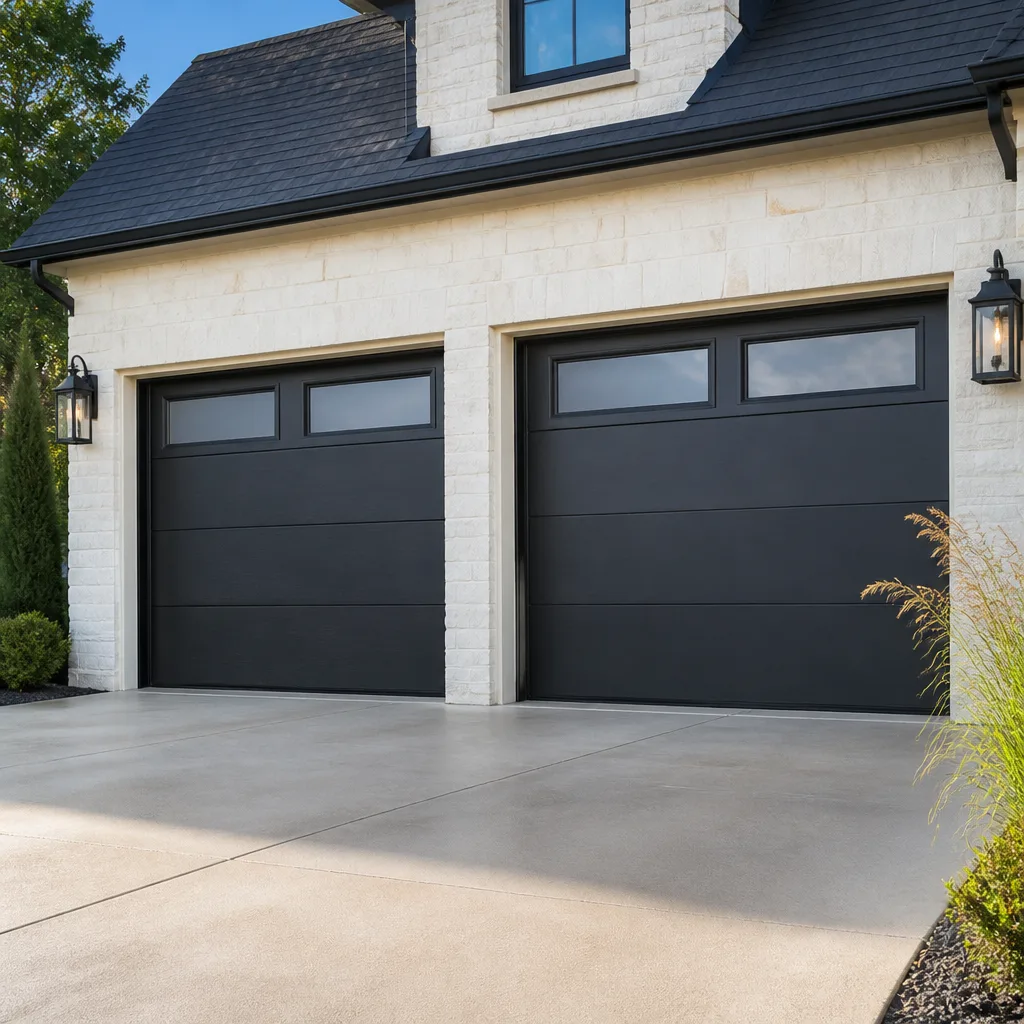 Impact garage doors
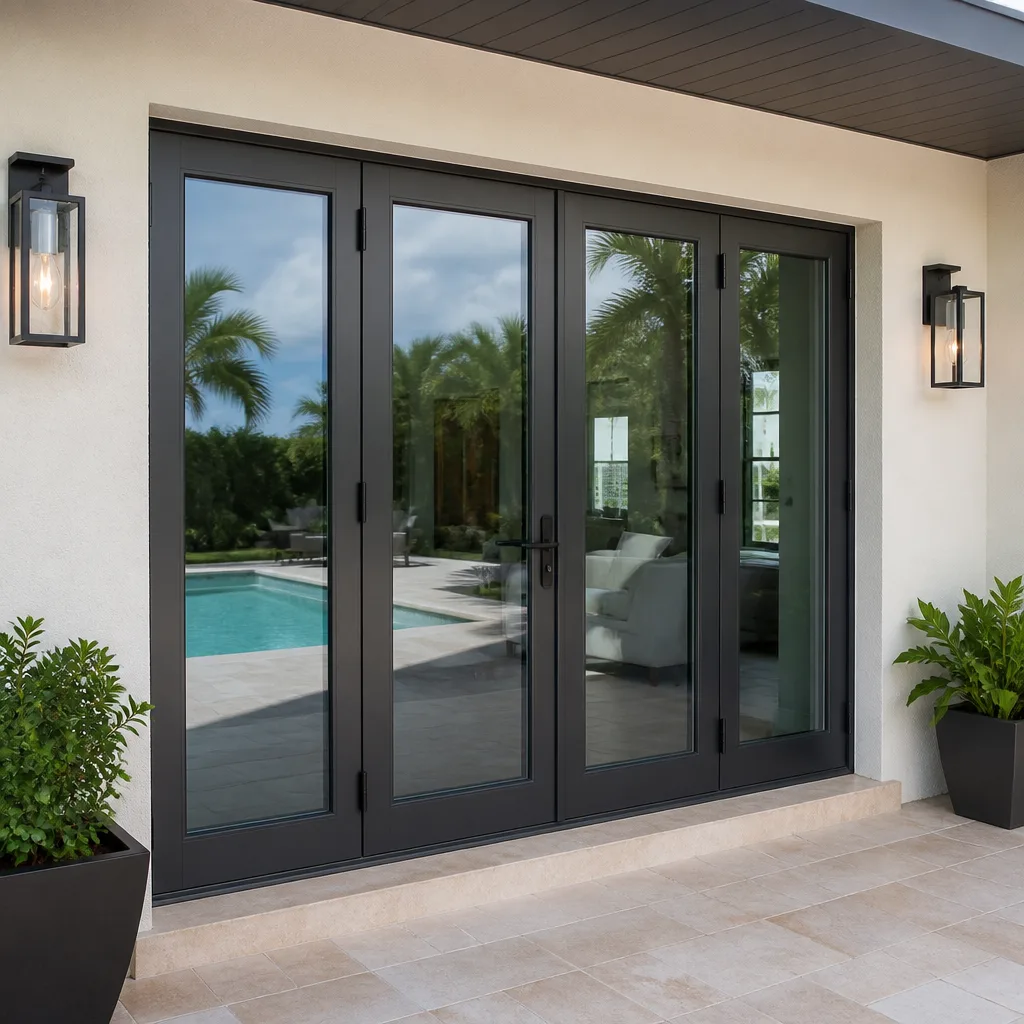 PGT
PGT CGI
CGIFree in-home measure and quote - PGT, CGI and CWS impact lines compared on your actual openings, style by style
Get your free estimateThe Complete Guide to Windows & Doors in Houston
Most window buying guides are written for houses in Ohio or Maryland, where the primary enemy is winter heat loss. Houston sits in ASHRAE Climate Zone 2A, one of the most demanding thermal zones in the country, yet the advice you read last week may have been optimized for a climate 1,200 miles away. This guide treats Houston as its own category: a place where solar heat gain, clay soil movement, and hurricane season dictate product choices in ways a generic national guide never addresses. You’ll learn what specs actually matter here, which products hold up to Gulf Coast humidity, how local foundations stress window and door frames, and what a careful installation should include before any work begins.
Styles & brands we work with
Quick Answer
Windows and doors in Houston need products with a Solar Heat Gain Coefficient (SHGC) below 0.25 to manage cooling costs, frames that tolerate clay-soil movement common to the region, and installation practices that account for hurricane-season wind loads. Most window replacements in Houston run between $600 and $1,400 per opening depending on size, material, and glass package. A door installation typically lands between $900 and $3,000, with impact-rated options at the higher end. Choosing the right product matters less than choosing a contractor who installs it correctly, puts the price in writing before work starts, and stands behind the finished job. Our How to Hire a Windows & Doors Contractor in Houston: A Step-by-Step Guide walks through exactly what to look for.
Table of Contents
- Why Climate Zone 2A Changes Everything
- How Houston Foundations Stress Windows and Doors
- The Manufacturer Brands Carried by Houston Contractors
- A Room-by-Room Decision Framework for Houston Homes
- What Windows and Doors Cost in Houston in 2026
- What a Proper Installation Should Include
- How the Cedarwell Care Promise Changes Accountability
- Common Mistakes to Avoid
- When to Call a Professional
- Frequently Asked Questions
- The Bottom Line
Why Climate Zone 2A Changes Everything
ASHRAE Climate Zone 2A is a hot, humid designation that covers Houston and much of the upper Gulf Coast. The thermal challenge here is not keeping heat in. It is keeping heat out while managing moisture that never really leaves the air. Homes in Houston use substantially more energy cooling than heating, which flips the standard advice found in most window guides.
The critical performance metric for Houston windows is Solar Heat Gain Coefficient, or SHGC. This number measures how much solar radiation passes through the glass into the home. In northern climates, a high SHGC is useful because free solar heat lowers heating bills. In Houston, that same solar gain becomes an air conditioning load for roughly eight months of the year. We recommend an SHGC below 0.25 for any window that receives direct sun, especially on west- and south-facing walls. The east side of a Houston house gets brutal morning sun in summer, and an SHGC below 0.22 on that elevation pays for itself quickly.
U-factor still matters, but it is a secondary consideration. U-factor measures how well a window resists heat transfer between inside and outside. A U-factor of 0.30 or lower is a solid target in Houston, but chasing a 0.20 U-factor while ignoring SHGC means paying a premium for a feature that solves a problem Houston does not have. The better value is a mid-range U-factor paired with aggressive solar control.
Humidity adds a second layer. Condensation appears on windows when warm, moist indoor air meets a cold glass surface. In Houston, that condition exists for much of the year. Aluminum frame windows conduct heat readily and become condensation magnets. Vinyl and fiberglass frames perform far better. Wood frames insulate well but need diligent maintenance against moisture, mildew, and the occasional termite pressure that thrives in this climate.
If you are replacing windows anywhere in Houston, keep the priority list in this order: SHGC first, frame material second, U-factor third. That ordering alone will put you ahead of most homeowners who followed northern-climate advice from a national website. The complete window replacement guide for Houston covers this in more detail, but the principle stands: buy for the climate you live in, not the one a national guide assumes.
How Houston Foundations Stress Windows and Doors
Houston sits on expansive clay soil. The gumbo clay beneath the city swells when wet and shrinks when dry, sometimes moving enough to crack driveways, shift foundations, and put measurable stress on every opening in the house. Window and door frames are static rectangles installed in walls that are quietly moving.
The foundation type matters for how that movement shows up. Pier-and-beam foundations, common in older neighborhoods like the Heights, Montrose, and parts of Bellaire, allow some flex. The house shifts gradually, and doors that stick during dry summers tend to loosen again after fall rains. Slab-on-grade foundations, standard in newer developments across Katy, Cypress, Sugar Land, and Pearland, behave differently. Cracks in the slab can telegraph upward into walls and create pressure points around window and door openings.
In our experience, the typical symptom of foundation movement is a door that starts rubbing at the top corner of the jamb or a window that becomes difficult to open in one direction but not the other. Homeowners often blame the door or window itself when the real issue is the structure around it.
Here is the practical sequence to follow:
- Check for seasonal patterns. A door that sticks only in August and operates smoothly in February is often responding to seasonal soil movement, not a failing product.
- Look for diagonal cracks. Stair-step cracks in brick veneer or drywall corners near window and door openings suggest foundation movement has already exerted pressure on the frame.
- Level the opening before replacing the product. Installing a new window or door into an out-of-square opening means shimming the frame to compensate. A good installer will do this and explain what they are correcting, rather than hiding it.
- Choose replacement windows with a bit of installation tolerance. This is where a quality install matters more than the brand name on the glass. A well-shimmed, properly squared window will operate correctly even if the wall shifts slightly later.
- Monitor after installation. If a new door starts binding within the first year, the issue may be the foundation, not the door. A contractor who understands Houston soil will say so directly instead of blaming the product.
This is one reason door installation in Houston requires a different approach than in cities with stable soil. The skill is in the adjustment, not just the fastening.
The Manufacturer Brands Carried by Houston Contractors
Local Houston window and door contractors carry a range of manufacturer brands, and the choice is not arbitrary. Each brand has a specific engineering strength, and the right recommendation depends on the home, the exposure, and the family’s priorities. Lightwell Windows Houston carries eight manufacturer lines, which allows the recommendation to fit the house rather than the installer’s preferred vendor.
PGT is the reference point for impact-rated products in hurricane-prone zones. PGT’s WinGuard line is engineered and tested for the windborne debris loads required in Texas coastal building codes. For homeowners in Houston neighborhoods under windstorm code requirements, or anyone who simply wants the strongest possible protection, PGT is typically the first recommendation. The products carry design pressure ratings that exceed most code minimums, and the laminated glass used in impact products also dampens sound, which Houston homeowners near freeways or train lines notice immediately.
CGI occupies a similar impact-rated niche with an emphasis on architectural aesthetics. CGI’s product line is popular in coastal communities from Galveston to Clear Lake, where code compliance is mandatory and homeowners still want clean sightlines. The window systems are engineered for high design pressure while preserving narrow frame profiles.
Therma-Tru is the fiberglass door brand that handles Houston humidity without warping, swelling, or rotting. We have seen solid wood entry doors in Houston bow noticeably within two summers when exposed to afternoon sun and constant moisture. Therma-Tru’s fiberglass construction sidesteps that problem entirely, and the brand offers impact-rated door systems that meet coastal code if the home is in a windstorm zone. For an entry door in Houston, Therma-Tru is the most common recommendation we make for long-term performance.
ViewLux focuses on aluminum and thermally improved aluminum windows, often specified for modern and mid-century homes where clean lines and narrow frames matter. The brand offers fixed picture windows and architectural shapes that larger vinyl manufacturers do not always match. In Houston’s hot climate, thermally broken aluminum is the only aluminum frame type worth considering, and ViewLux products are built around that principle.
The takeaway is that no single brand wins for every Houston home. Impact protection, humidity resistance, frame material, and architectural fit all pull in different directions. A contractor who carries multiple lines can recommend based on the actual conditions of the house, not on what happens to be in the warehouse.
A Room-by-Room Decision Framework for Houston Homes
Houston homes vary enormously, but the room-by-room logic stays consistent. Here is the decision framework we walk through with homeowners in Houston when they ask which window type belongs where, and you can find more guides & resources on our blog.
Living Rooms and Family Rooms
Large south- or west-facing windows in a living room are where Houston heat gain concentrates. These openings call for the strongest solar control on the house. A fixed picture window with an SHGC of 0.22 or lower, paired with a high-quality vinyl or fiberglass frame, is the standard answer. If the room opens to a patio or yard, consider a sliding door with low-E glass rather than a separate window and door assembly. Fewer openings mean fewer thermal breaks.
Bedrooms
Bedroom windows in Houston serve three purposes: light, ventilation, and emergency egress. Code requires egress openings in every sleeping room, which usually means a single-hung or casement window of a minimum size. Casement windows seal tightly and offer good ventilation, but they protrude outward, which can be a concern near walkways or tight side yards common in Houston’s older neighborhoods. Double-hung windows are easier to clean and can be opened from the top to vent heat without creating a draft at bed level. For kids’ rooms, consider laminated glass, which holds together if struck and also reduces outside noise during nap time.
Kitchens
Kitchen windows sit over counters, sinks, and workspaces. A horizontal sliding window or an awning window works well here because it opens without swinging into the room. Awning windows also seal exceptionally tightly, which matters during Houston’s frequent rain events. If the kitchen has a garden window or bay window, check the flashing and seal regularly. These assemblies are common leak points in any humid climate, and Houston’s afternoon downpours will find any weakness.
Entry Doors
The Houston entry door takes direct sun, constant humidity, and occasional wind-driven rain. A solid wood door is beautiful but high-maintenance. Fiberglass doors from Therma-Tru handle the Houston climate without warping or swelling, and the brand’s design catalog includes woodgrain finishes that are hard to distinguish from painted wood. If the front door faces west, the afternoon heat load on the door surface is significant. A fiberglass door with a polyurethane core handles that better than a steel or wood door in most Houston homes.
Patio and Backyard Doors
Houston living happens outside for much of the year. A sliding glass door or French door that opens to the patio should be rated for the weather it will face. If the home is in a windstorm zone, impact-rated glass may be required. Even outside windstorm zones, low-E coated glass with a decent SHGC rating keeps the air conditioning from working overtime on a south-facing patio door. For households with dogs and kids, the track on a sliding door needs regular cleaning to keep it operating smoothly in Houston’s dust and pollen season.
For a full breakdown of options, see the window installation guide for Houston homeowners, which walks through product types and installation details room by room.
What Windows and Doors Cost in Houston in 2026
Houston homeowners ask us about pricing early in nearly every conversation, and we believe in answering directly. Here are the ranges we currently see for window and door work in the Houston market. These are not quotes; they are planning numbers based on typical residential projects.
- Standard vinyl replacement window: $600 – $900 per opening installed
- Impact-rated window (PGT, CGI): $950 – $1,400 per opening installed
- Fiberglass entry door (Therma-Tru): $1,500 – $3,000 installed
- Sliding patio door with low-E glass: $1,800 – $3,500 installed
- French door to patio: $2,200 – $4,000 installed
- Full-house window replacement (12 – 18 openings): $8,000 – $22,000 depending on product line and glass package
Several factors move these numbers. Impact-rated glass adds roughly 30 – 50% over standard low-E glass. Larger openings, second-story work, and rooms with limited access all add labor. Homes in historic districts like the Heights or parts of Montrose may require specific design approvals, which adds time and sometimes material cost. The condition of the existing framing also matters. If water damage or rot around the old window is discovered after the old unit comes out, the repair is extra work and extra cost.
The single most important thing about Houston window and door pricing is that the number should be in writing before the crew arrives. A contractor who gives a verbal range and then changes the final invoice is not protecting you from anything. The no-hassle approach is a written, line-item price before any work starts, with no change orders unless something genuinely hidden is discovered, and an explanation before that work proceeds.
What a Proper Installation Should Include
Installation quality matters more than brand name. A premium window installed poorly will leak, fog, and fail. A mid-range window installed carefully will perform close to its laboratory rating. Here is what a Houston installation should include, step by step, so you can ask the right questions before signing anything.
- Pre-installation walkthrough. The installer inspects each opening, checks for rot or water damage in the rough framing, and confirms measurements. This should happen before the order is placed, not on installation day.
- Written scope and price. The contract lists exactly which openings will be replaced, what products will be installed, what the price includes, and what the warranty covers. No verbal promises. No handshake additions later.
- Protection of the interior. Floors get covered with drop cloths. Furniture near the work area gets moved or covered. If the job involves dusty work, plastic sheeting goes up to contain it. A crew that arrives without shoe covers or floor protection in a Houston home with kids and pets is not a crew that respects the house.
- Proper flashing and sealant. Houston’s wind-driven rain requires careful flashing at the head of every window and door opening. The sill pan, the side flashing, and the top flashing all matter. Silicone caulk alone is not a weather barrier.
- Square and level installation. The installer shims the window or door into position, checks plumb and level, and adjusts until the unit operates smoothly. This is where foundation movement in Houston makes installation skill visible. A skilled installer compensates for an opening that is slightly out of square.
- Insulation around the frame. Low-expansion foam or fiberglass insulation goes into the gap between the frame and rough opening. This stops air leaks and improves both thermal and acoustic performance.
- Interior and exterior finish work. Trim goes back up, caulk lines are clean, and exterior flashing is painted or sealed as needed. The workspace is swept and vacuumed.
- Post-installation walkthrough. The installer shows you how each window or door operates, explains the locks and hardware, and gives you the care instructions. You have a written warranty document in hand before the crew leaves.
At Lightwell Windows Houston, the crew follows the C.A.R.E. values on every job: Clean up like it is our own home; Ask before we move or touch anything; Respect the family’s time and quiet hours; Explain the price before the work. We take a photo of the cleaned work area before leaving, and we put that photo in the job file. If something is not right, the 365-Day Done Right Promise means we make it right. No debate, no countdown.
How the Cedarwell Care Promise Changes Accountability
Most homeowners do not read installation contracts until something goes wrong. By then, the fine print matters a lot. The difference between a good outcome and a bad one often comes down to what the contractor promised in writing and what they are willing to do after the fact.
The Cedarwell Care Promise is a set of operating rules that Lightwell Windows Houston follows on every job. It has been part of the Cedarwell network since 2010. The promise is not a marketing slogan. It is a checklist that changes how the crew behaves on site and how the company handles problems.
Here is what the Care Promise covers in practice:
- Written price before any work starts. The price you approve is the price you pay. If something hidden is discovered after the old window comes out, the crew stops and explains before proceeding. No invoice surprise at the end of the day.
- Shoe covers and drop cloths on every visit. The crew arrives with protection for floors and furniture, and uses it without being asked. This matters to families with crawling babies, curious pets, and white carpet.
- A photo of the clean-up before the crew leaves. You see the finished workspace before the crew has pulled away. If something was missed, it gets corrected immediately.
- Background-checked, uniformed technicians. You know who is at the door before they knock. The people working in your home have been vetted and are identifiable.
- A live person answers the phone 24/7. If a question comes up three weeks after the install, a human picks up the call. No voicemail maze, no ticket queue, no “we’ll get back to you in 3 – 5 business days.”
- 365-Day Done Right Promise. If the finished work is not right, Lightwell Windows Houston makes it right. The promise is stamped on every job, not just the easy ones.
This accountability structure is the reason a local, independently operated contractor can outperform a big-box installation program. The person who sold you the windows is reachable. The crew that installed them is the crew that comes back if something needs attention. In a city the size of Houston, that level of direct accountability is not common.
Common Mistakes to Avoid
- Following northern-climate window advice. A U-factor of 0.20 sounds impressive but solves a heating problem Houston does not have. Prioritize SHGC below 0.25 and put the money into solar control instead.
- Ignoring foundation movement. A window that sticks every August may not be defective. Before replacing it, check whether the issue is seasonal and whether foundation movement is affecting the opening. A skilled Houston installer will check this before quoting.
- Choosing the cheapest vinyl window available. Budget vinyl windows often use thin frames and low-grade hardware that do not hold up to Houston heat. The initial savings disappear in replacement costs after a few years.
- Skipping impact-rated glass in windstorm zones. Houston’s proximity to the Gulf means some homes are under windstorm code requirements. Even outside those zones, impact-rated glass from PGT or CGI adds real protection during hurricane season.
- Accepting a verbal quote. Any contractor who will not put the price in writing before work starts is not offering a quote. They are offering an estimate that can change. Demand a written, line-item price.
- Underestimating the importance of flashing. Houston’s rain falls hard and often. A window or door without proper head flashing and sill pan will leak eventually. Ask the installer to describe their flashing sequence before the job starts.
- Replacing windows without checking the door weatherstripping. A house loses conditioned air through both. If the windows are being replaced for energy efficiency, the entry and patio door seals should be inspected at the same time.
When to Call a Professional
Window and door replacement is not a casual DIY project. If the opening is out of square, the rough framing has rot, or the home is in a windstorm zone, the work belongs with a trained installer. Impact-rated products from PGT or CGI require specific installation procedures to maintain their rating, and an improper install voids the protection you paid for. Foundation movement complicates even straightforward replacements, and the shimming that corrects it is a skill learned over many Houston summers. For ongoing maintenance tips, see our Seasonal Windows & Doors Care for Houston: Year-Round Homeowner’s Guide. If a window is fogged, leaking, or sticking consistently, or if a door no longer closes without lifting, call a professional. Lightwell Windows Houston offers free estimates in Houston. Call (254) 401-4583 and a real person will answer.
Frequently Asked Questions
Most window replacements in Houston run between $600 and $1,400 per opening installed, depending on size, frame material, and whether impact-rated glass is included. Full-house projects typically land between $8,000 and $22,000. Call (254) 401-4583 for a written, line-item quote on your specific openings. Estimates are free.
Houston windows should have a Solar Heat Gain Coefficient below 0.25, and below 0.22 on east- and west-facing elevations that take direct morning or afternoon sun. This matters more than U-factor in Climate Zone 2A because cooling costs dominate the energy picture.
Some Houston homes in designated windstorm zones are required to meet Texas coastal building code standards, which includes impact-rated glass or approved shutters. Even outside those zones, many Houston homeowners choose impact-rated windows from PGT or CGI for hurricane-season protection and noise reduction.
In Houston, a door that sticks seasonally is often responding to expansive clay soil movement rather than a defective door. If the sticking follows dry and wet patterns, check the foundation first. A professional can level the opening during replacement to compensate for soil movement.
A full-house window replacement of 12 to 18 openings typically takes two to four days, depending on product availability and site conditions. Each window takes roughly one to two hours to remove and replace once the crew is set up. Door installations usually complete in a single day.
A properly installed fiberglass door with a polyurethane core and good weatherstripping will reduce air leakage and heat transfer at the entry, especially on west-facing doors. The savings are modest compared to full window replacement, but the comfort improvement at the entry is noticeable. Call (254) 401-4583 for a door-specific assessment.
The Bottom Line
Houston is its own category when it comes to windows and doors. The climate demands solar control before insulation. The soil demands installation skill that tolerates movement. The market offers a wide range of products, and the right choice depends on the elevation of the home, the foundation type, and the family’s daily life. Prioritize SHGC below 0.25, choose frame materials that handle humidity, verify flashing and sealing practices before signing, and insist on a written price that does not change after the crew arrives. A light well is what brings daylight deep into a building. That is what a well-installed window should do for your home, and what a careful contractor should do for you. For a free estimate in Houston, call (254) 401-4583. The Lightwell Windows Houston home page has more about the full range of products and the Care Promise coverage.
Written by Keith Yamada, Owner at Lightwell Windows Houston, serving Houston since 2010.
See the difference
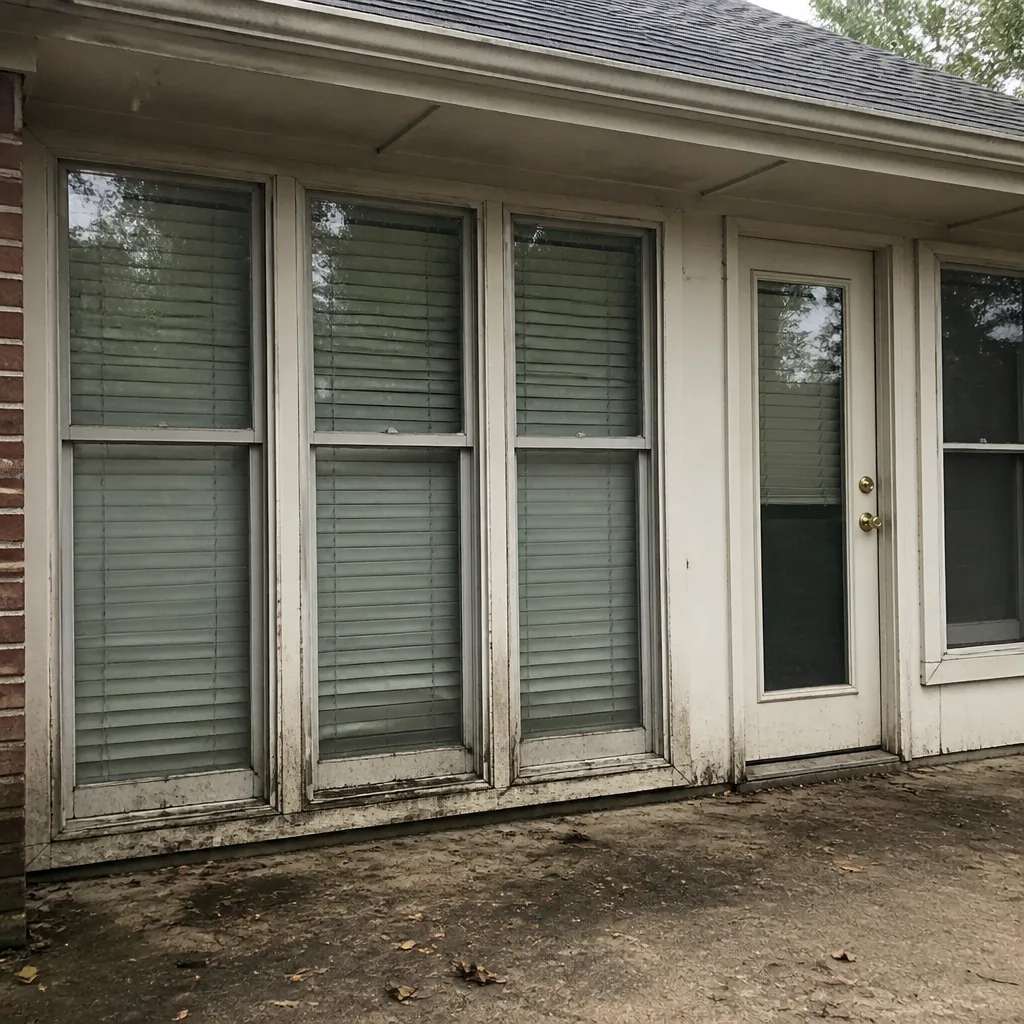 Before
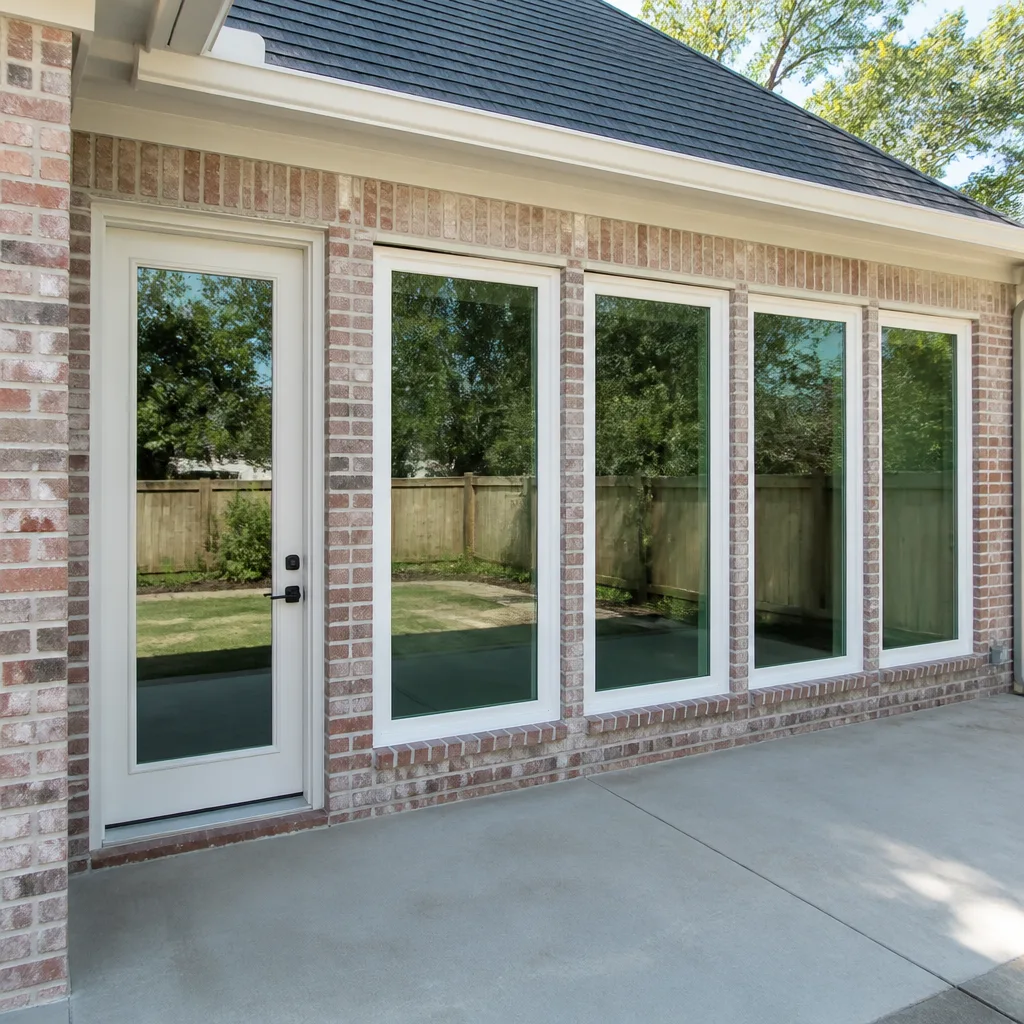 After
After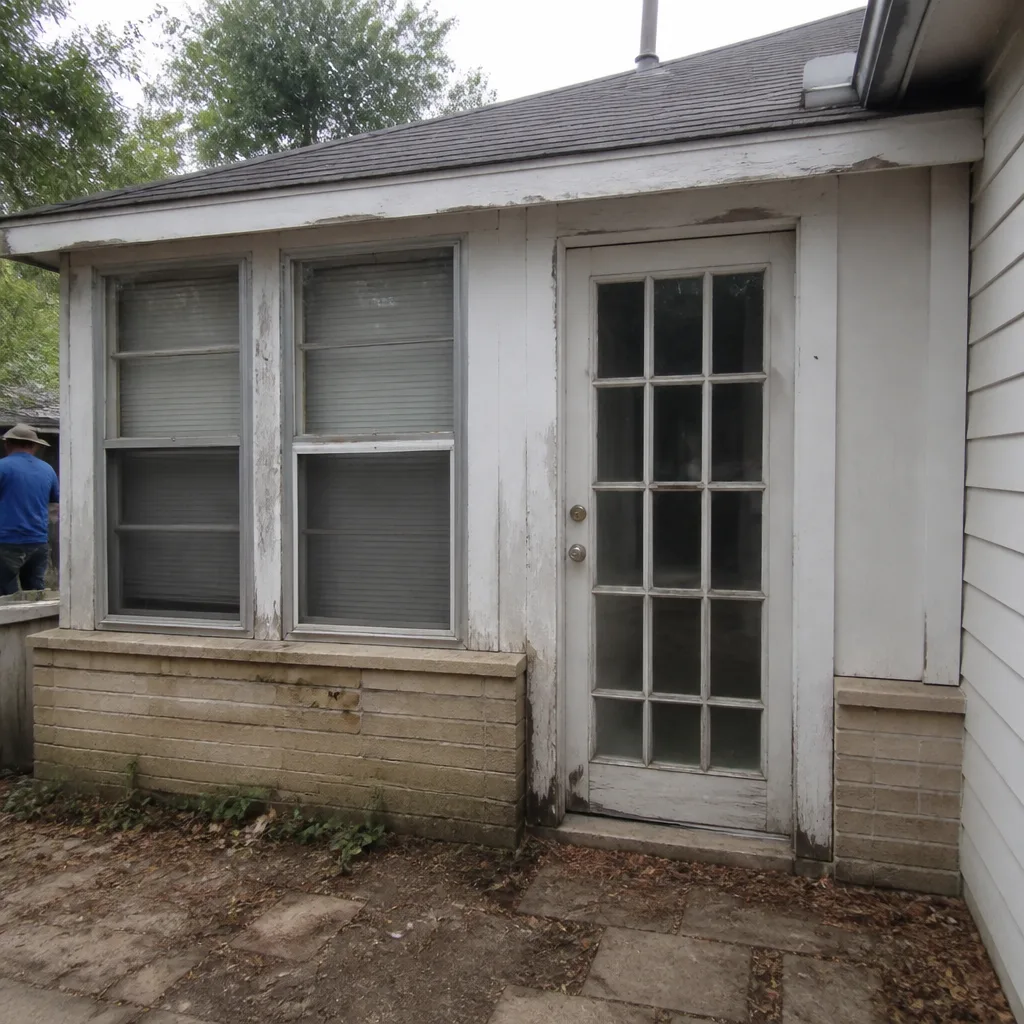 Before
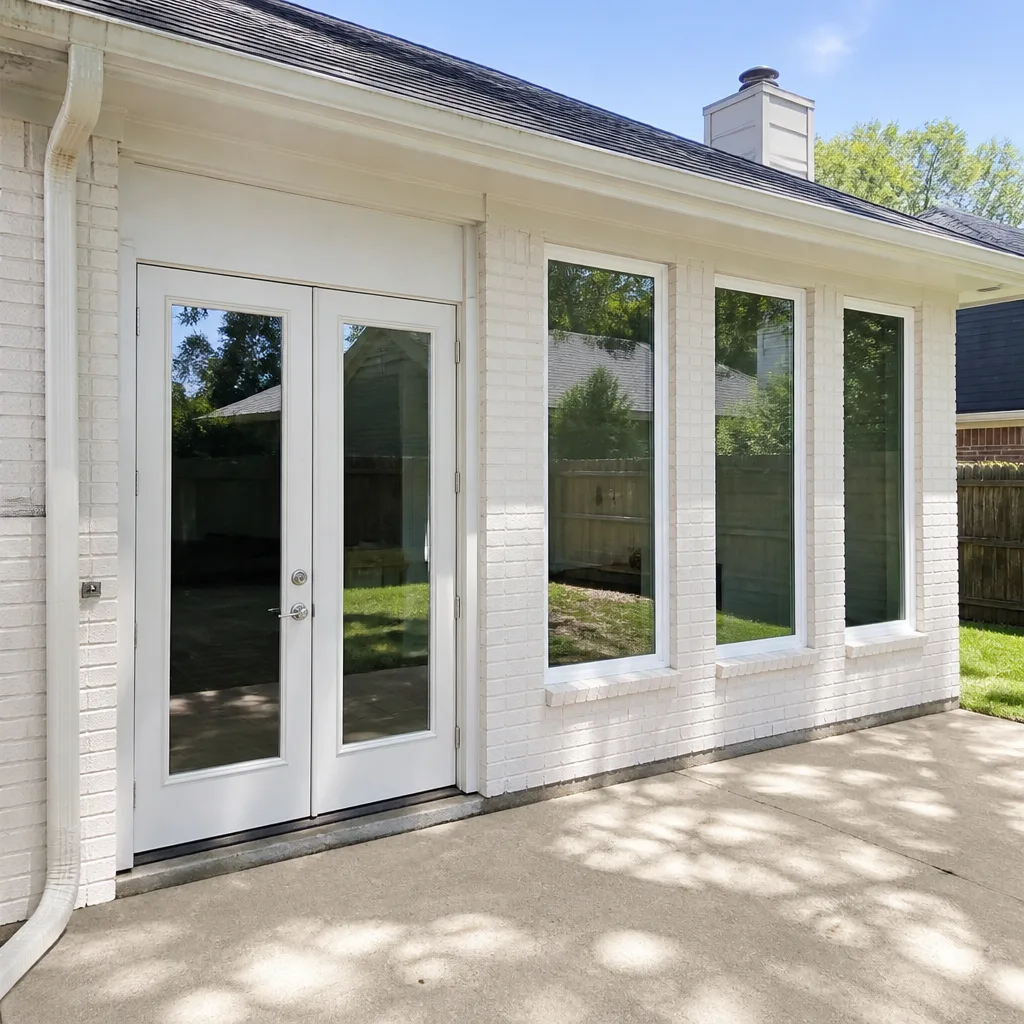 After
After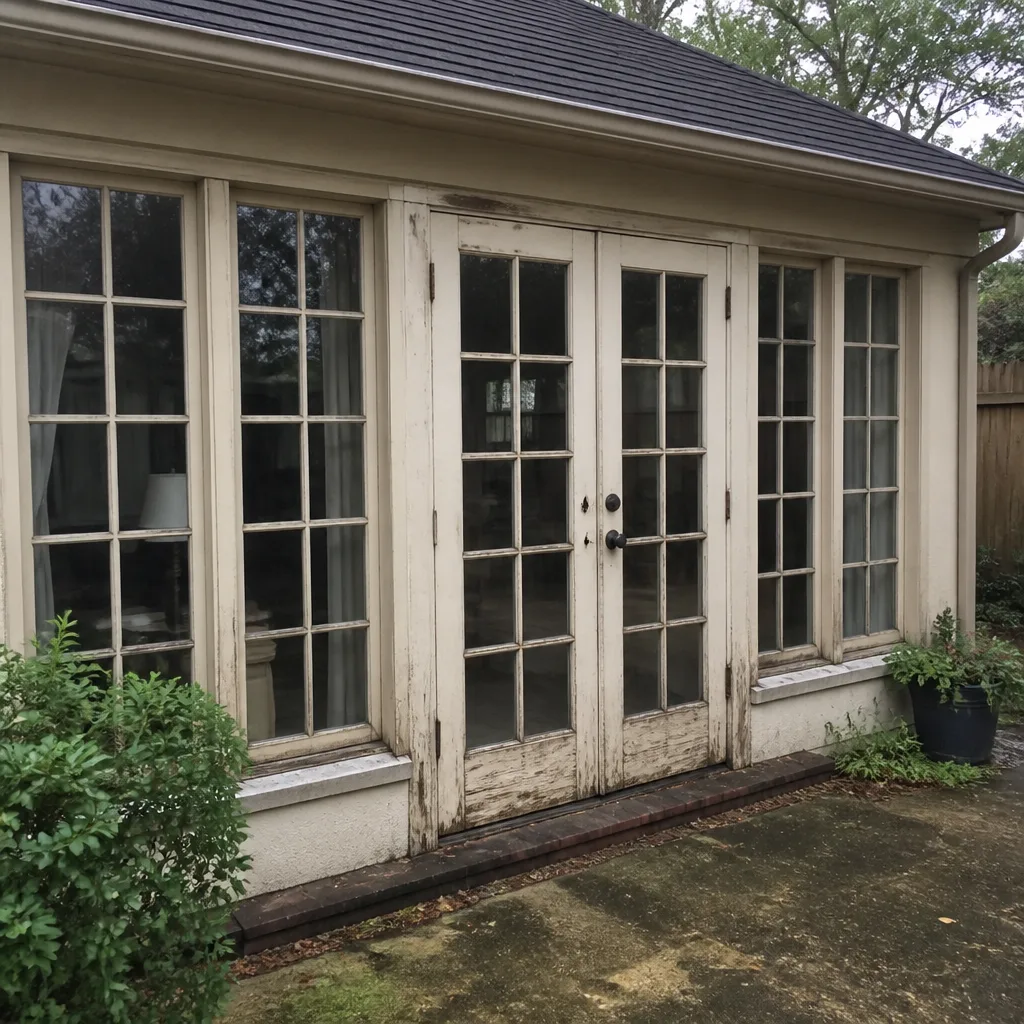 Before
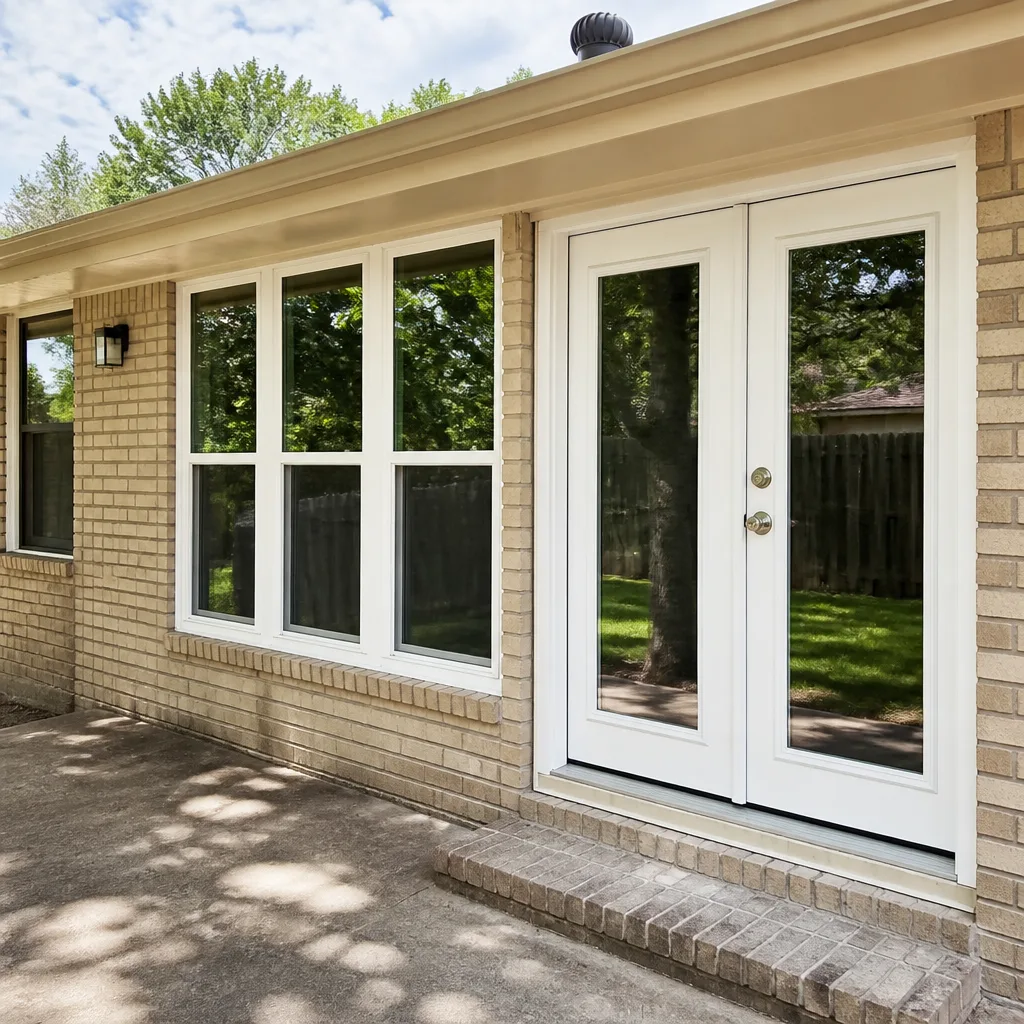 After
AfterSix Reasons Homeowners Choose Lightwell Windows Houston
Laminated glass and reinforced frames hold up to wind-driven rain, hail and flying debris, so your openings stay sealed when the weather turns.
Low-E insulated impact glass from our manufacturer lines commonly cuts monthly cooling bills 20-30%.
Laminated impact glass shuts out up to 40% of outside noise - traffic, neighbors, weather.
Monitoring services run $30-90 a month. Laminated impact glass resists forced entry around the clock, with no subscription.
Tighter seals and insulated glass even out hot and cold rooms and stop the drafts at the frame.
A full impact package upgrades curb appeal, buyer confidence and appraised value in one project.