
Last updated October 17, 2026
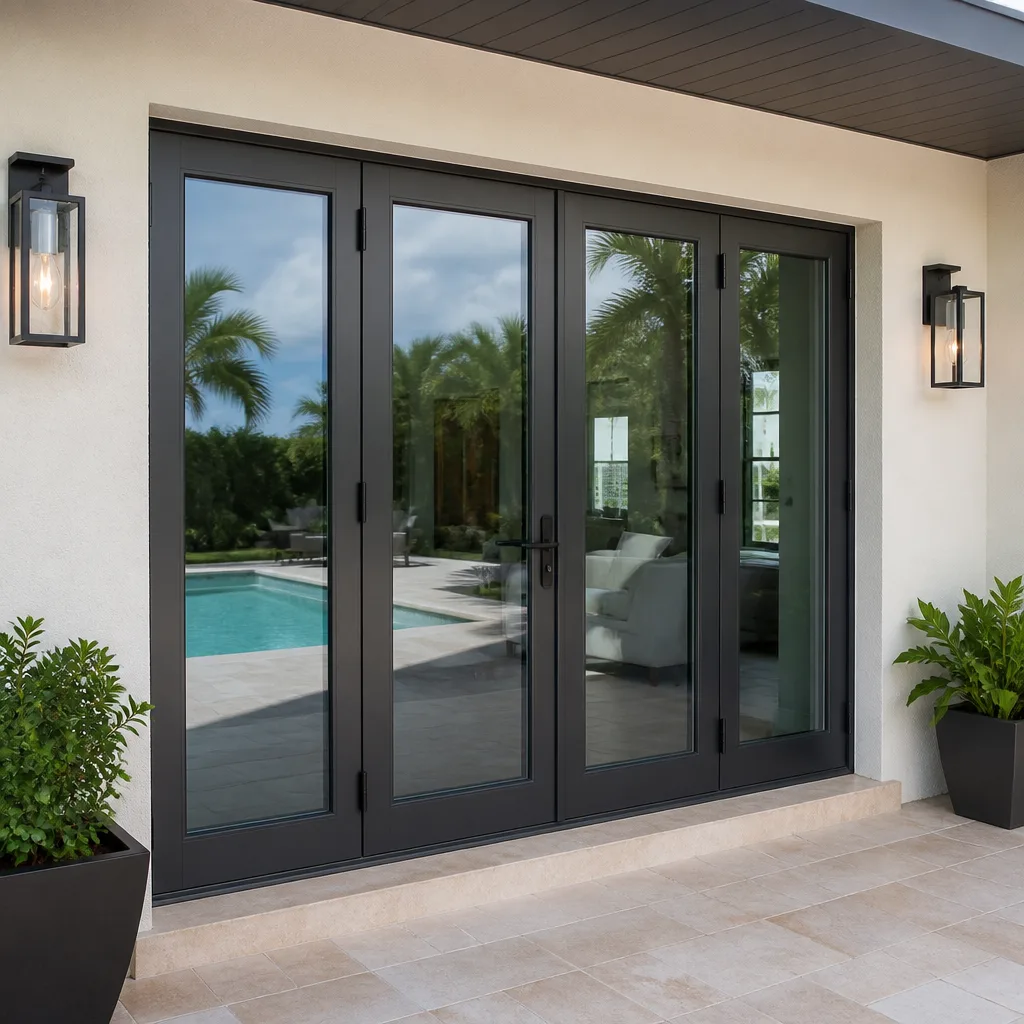
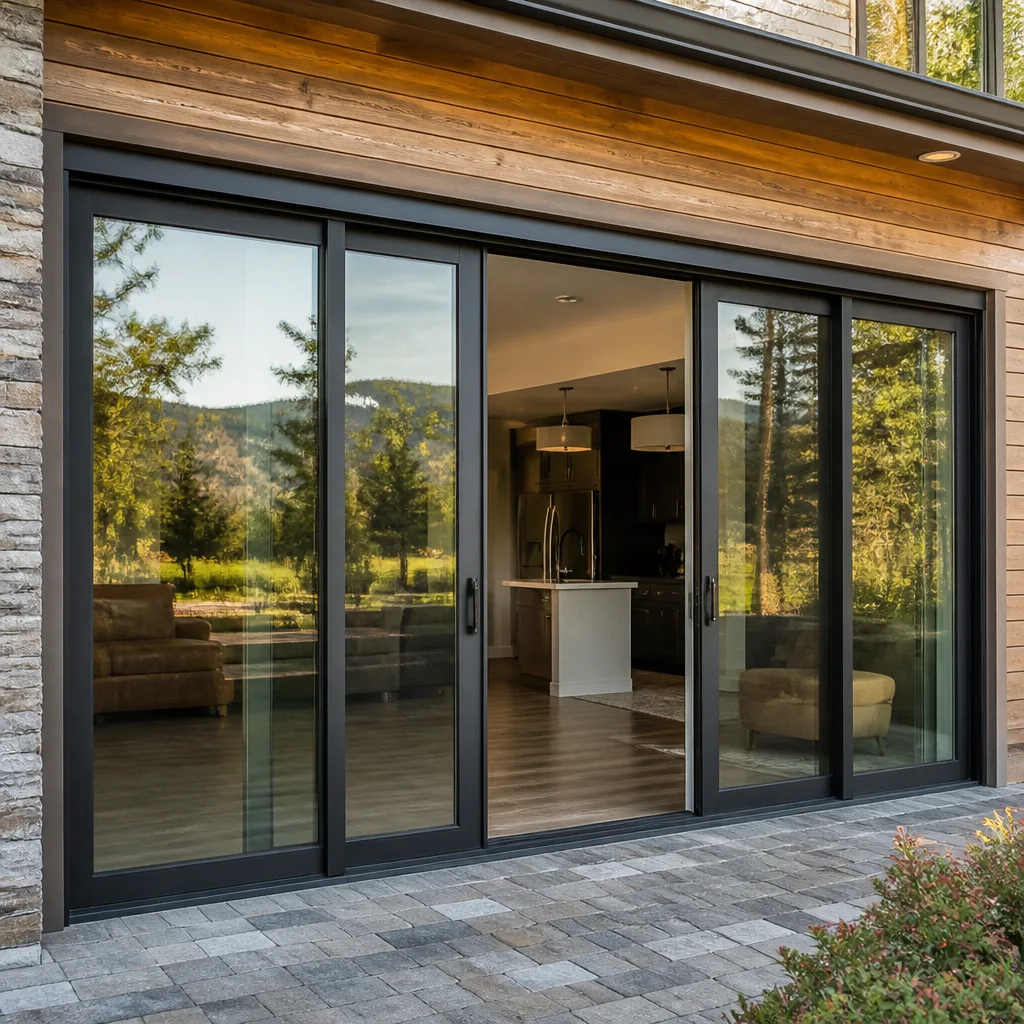 Sliding glass doors
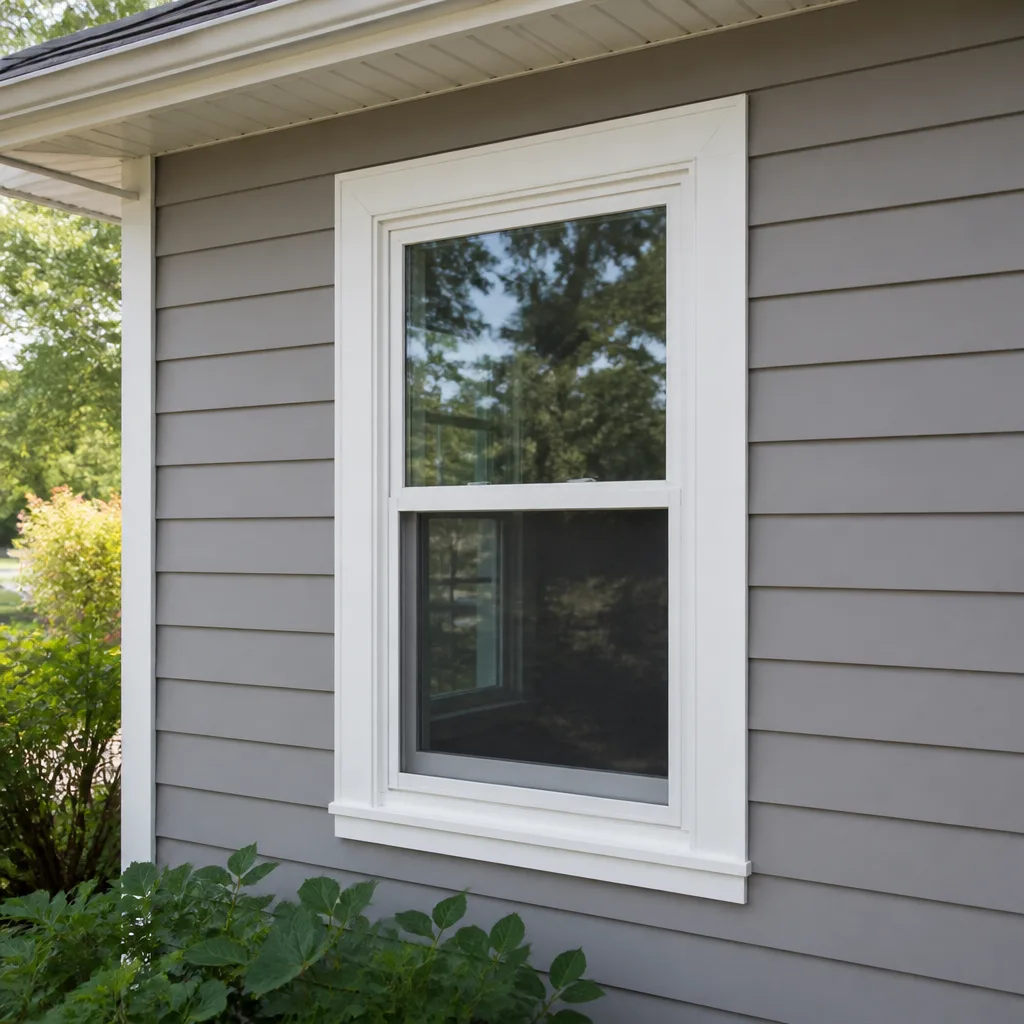 Single hung
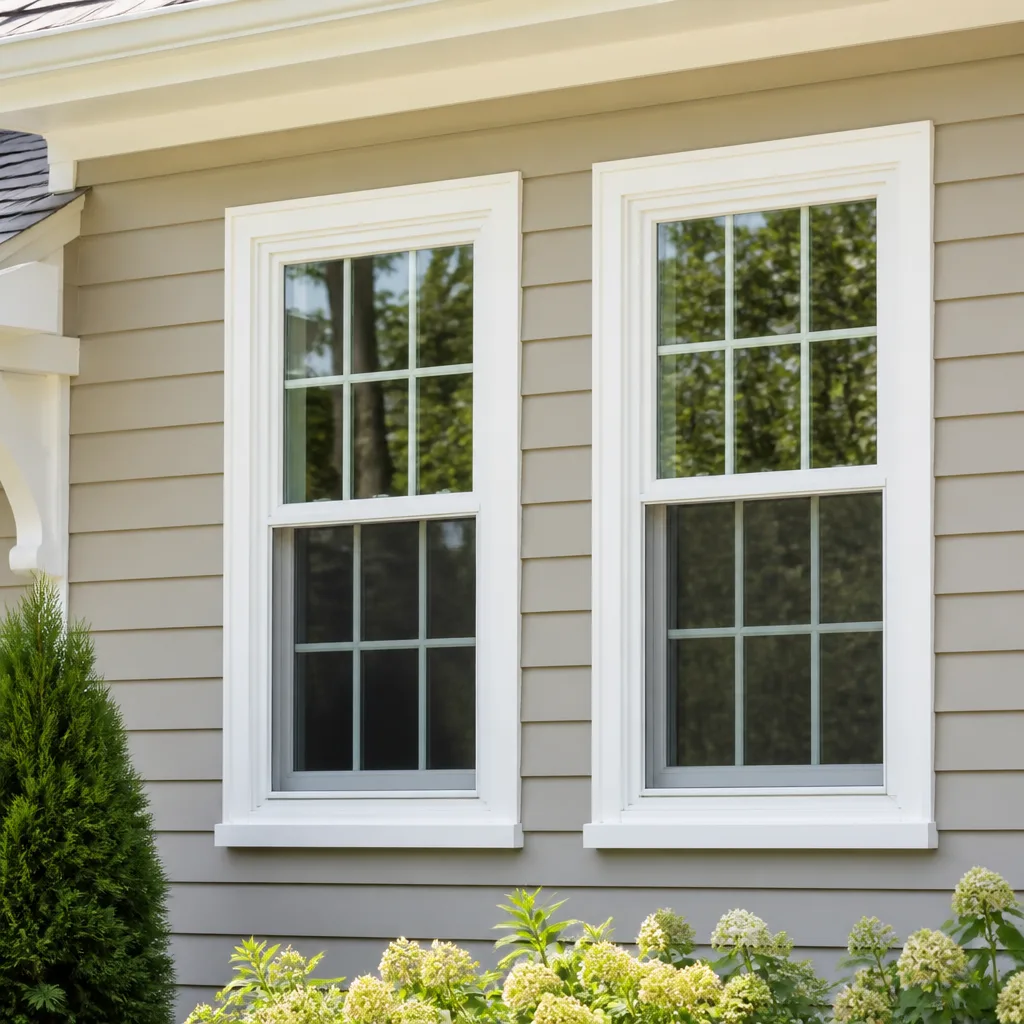 Double hung
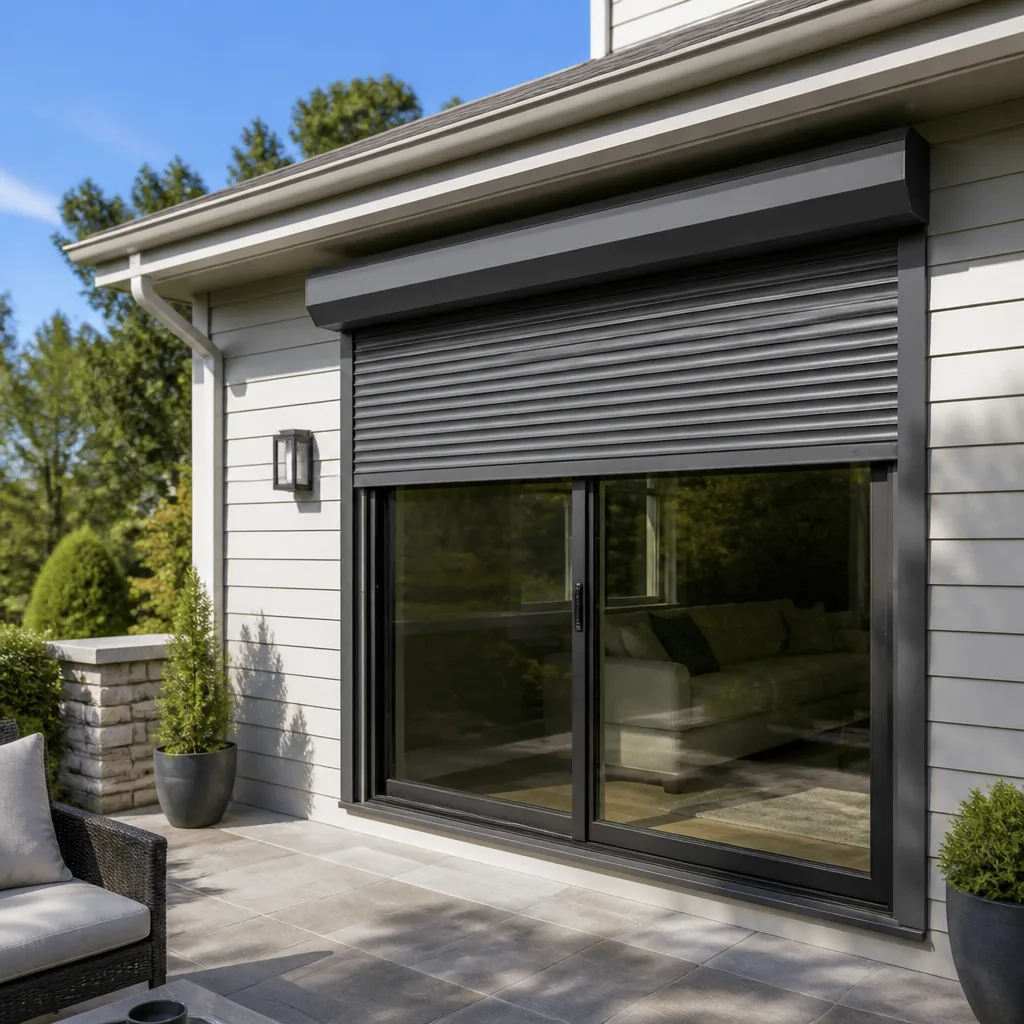 Horizontal roller
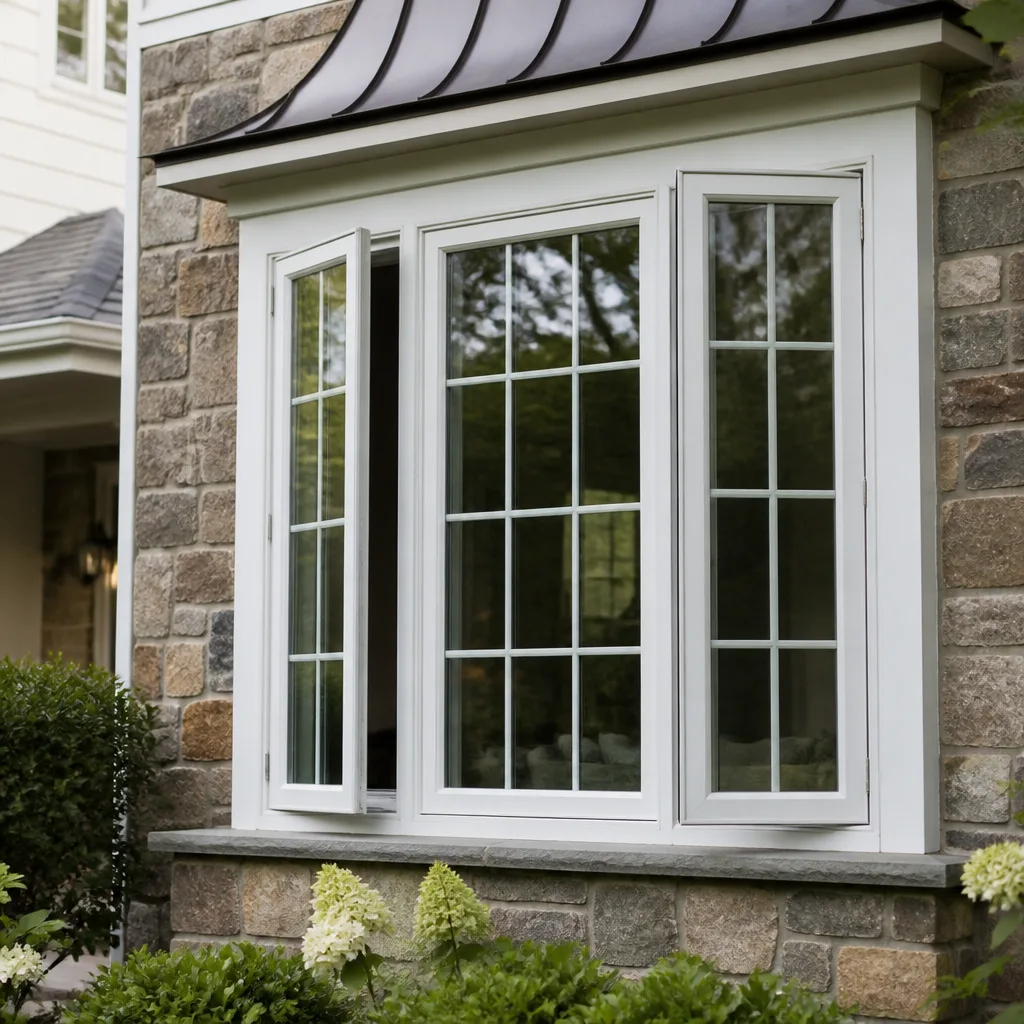 Casement
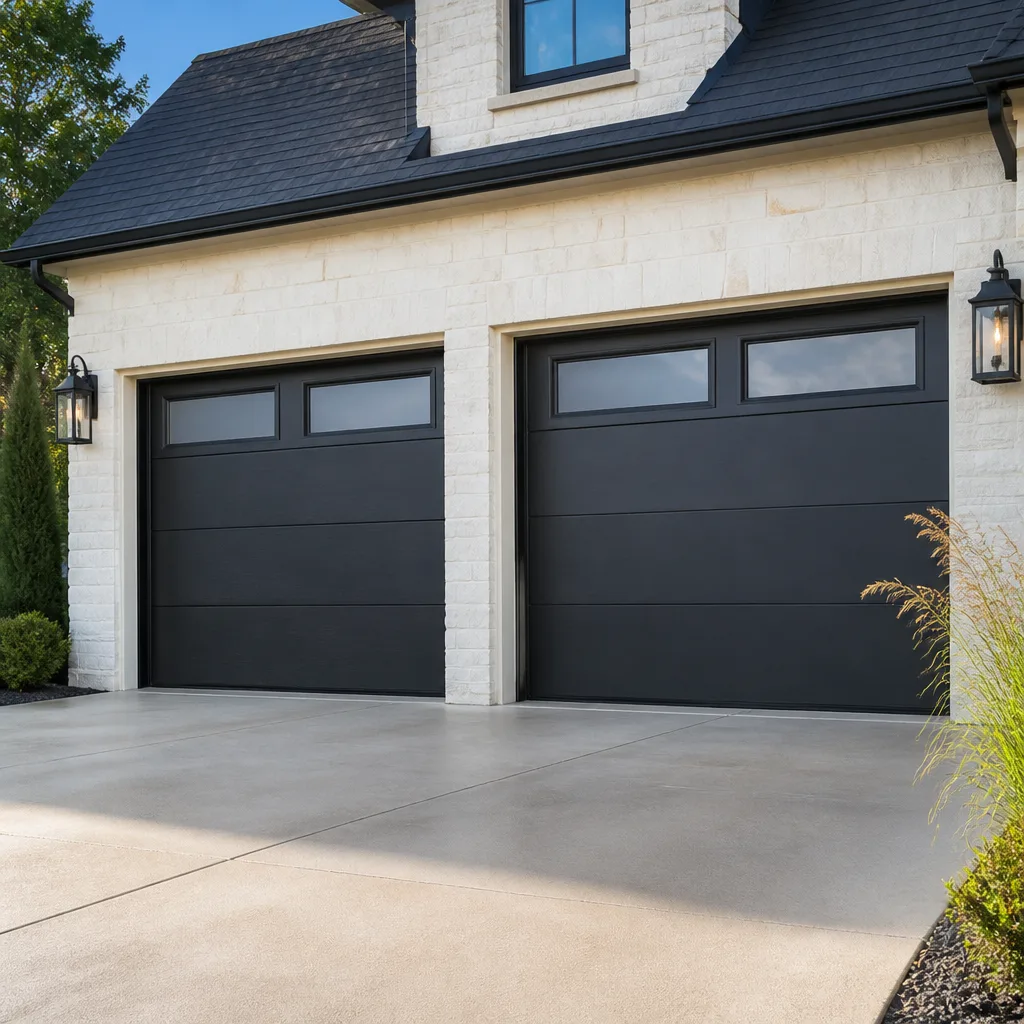 Impact garage doors
 PGT
PGT CGI
CGIFree in-home measure and quote - PGT, CGI and CWS impact lines compared on your actual openings, style by style
Get your free estimateSeasonal Windows & Doors Care for Houston: Year-Round Homeowner’s Guide
January 2024 brought a freeze event that cracked weatherstripping and warped door thresholds across thousands of Houston homes. The damage was nearly invisible at first. Then August arrived, air-conditioned air started leaking out through gaps no one could see, and energy bills climbed without any obvious cause. This guide walks you through what Houston’s climate actually does to windows and doors, season by season, so you can catch small failures before they become water intrusion, warped frames, or a five-figure replacement bill. Houston doesn’t have four equal seasons. It has a brutal UV summer, a short hurricane shoulder, a mild but occasionally freezing winter, and a humid spring that tests every sealant in the house. Effective care means understanding which season is doing what to which component.
Styles & brands we work with
Quick Answer
Seasonal window and door care in Houston comes down to four tasks: checking seals and weatherstripping before storm season, lubricating hardware and inspecting UV damage in summer, adjusting door frames after the dry months of September and October, and replacing cracked weatherstripping before winter freezes. Most homeowners can handle basic cleaning and inspection themselves, but sealant replacement, frame realignment, and glass or hardware replacement should involve a professional when the damage goes beyond surface wear. A consistent seasonal routine prevents the slow leaks that quietly drive up cooling costs in a Houston summer.
Table of Contents
- March: Pre-Storm Sealant and Track Check
- June: UV Damage, Hardware Lubrication, and Glass Inspection
- September: Post-Peak-Storm Inspection and Clay Soil Frame Shifts
- December: Threshold and Weatherstripping Cold Prep
- Sliding Glass Door Tracks: Houston’s Humidity and Debris Trap
- Materials That Degrade Fastest in Houston’s UV Index
- When Seasonal Wear Crosses Into Warranty Territory
- Common Mistakes to Avoid
- When to Call a Professional
- Frequently Asked Questions
- The Bottom Line
March: Pre-Storm Sealant and Track Check
March in Houston is when warm, moisture-heavy air begins pressing against window and door perimeters that have been dry and dormant since fall. The first heavy spring rain finds every gap. Seals that looked fine in February can fail within weeks as humidity softens old caulk and exposes hairline cracks. This is the month to walk the house with a notepad and check every opening. Pay closest attention to the south and west faces, which take the most direct sun and show sealant failure first. Houston’s spring storms arrive fast, often with driving rain at angles that test the weakest corner of a window frame. In neighborhoods like Meyerland and Bellaire, where slab foundations sit on Houston’s expansive clay, spring rain also marks the beginning of subtle frame movement that lasts through October.
- Check exterior caulk and sealant beads around every window and door. Press gently on the bead. If it feels stiff, crumbles, or has pulled away from the brick or siding, it needs replacement before the first real storm. A pencil-width gap is enough to channel water behind the frame.
- Inspect door sweeps and thresholds. Hold a flashlight at the base of each exterior door while someone stands on the other side. If light passes through, air and water can too. A worn sweep costs about $12 to $30 and takes fifteen minutes to replace.
- Clear window weep holes. Many Houston homes have aluminum or vinyl windows with small drainage openings along the bottom track. When those clog with dirt or pollen, water pools inside the track and eventually finds its way into the wall. A pipe cleaner or compressed air clears them in seconds.
- Test every lock and latch. A window that doesn’t fully close cannot seal. Houston’s clay soil starts shifting in March, and a window that latched fine in January may suddenly sit a quarter inch out of alignment.
- Clean sliding glass door tracks thoroughly. March pollen loads are among the highest in the country. Pollen mixes with humidity and forms a paste inside tracks that grinds down rollers over the summer.
A thorough March checklist takes about two hours for a typical three-bedroom home. For homeowners replacing falling-apart windows rather than maintaining them, our Window Replacement in Houston page walks through what a full replacement involves and what drives cost.
June: UV Damage, Hardware Lubrication, and Glass Inspection
June is when Houston’s UV index routinely sits in the “extreme” range, typically 10 to 11 on the standard scale. That is the same intensity as Phoenix or Miami on a bad day, and it does measurable damage to window and door materials over a single season. UV radiation breaks down the molecular bonds in polymer weatherstripping, vinyl frames, and factory-applied glass coatings. The effect is cumulative. A window that spent five Houston summers facing west has absorbed roughly the same UV load as a Seattle window would see in thirty years.
The most common June problem we see in Houston is not broken glass. It is fogged double-pane units caused by seal failure at the spacer bar. Intense heat cycles and direct sun cause the glass panes to expand and contract against the aluminum spacer. When the factory seal breaks down, moisture enters the airspace between panes, and the unit becomes permanently cloudy. In Houston’s humidity, this can happen within eight to twelve years of installation, faster on unshaded west facades.
What to do in June
- Lubricate all hinges, locks, rollers, and latches with a dry silicone spray. Avoid WD-40 as a general lubricant on window hardware; it attracts dirt and leaves an oily film. Silicone resists Houston’s dust and humidity better over a full season.
- Inspect weatherstripping for UV brittleness. When weatherstripping loses its elasticity, it cracks under finger pressure instead of springing back. Replace any section that feels stiff or looks chalky.
- Check for glass seal failure. Look at each double-pane unit in early morning light, when condensation and haze are most visible. A milky film between the panes that will not wipe off is failed glass, not dirt.
- Operate every window fully open and fully closed. A window that sticks on the way up or drops slightly when released needs hardware adjustment or replacement. Windows under tension should hold position at any opening height without sagging.
- Look for frame warping on vinyl windows. Houston’s reflected heat from driveways and adjacent walls can exceed 140°F on a June afternoon, enough to distort low-grade vinyl extrusions. Run your hand along the frame edge; warping feels like a wave or a twist where the frame should be straight.
For door hardware, the same schedule applies. A deadbolt that requires jiggling in June will be a locked-out emergency in September when humidity swells the door slab. If your doors are at the point where the hardware is fine but the slab itself is warped, Door Installation in Houston is a stronger long-term fix than adjusting hardware around a failing door.
September: Post-Peak-Storm Inspection and Clay Soil Frame Shifts
By September, Houston has typically passed the peak weeks of hurricane activity, and the ground has entered its driest cycle of the year. This combination creates a specific problem that surprises homeowners in neighborhoods across Katy, Cypress, and Pearland: doors that suddenly drag on the floor or refuse to latch. The cause is Houston’s clay soil, which expands dramatically in spring rain and contracts violently in late-summer and fall drought. A door frame that sat perfectly plumb in May can shift by enough to bind the slab within a single dry month. This is not a door failure. It is the house moving underneath the door.
The specific adjustment for a door that suddenly drags or latches hard depends on where the frame has moved. If the door rubs at the top on the latch side, the hinge side of the frame has settled, and the fix is usually a deeper hinge mortise or a thin shim behind the bottom hinge. If the door drags at the bottom and the gap at the top is wide, the latch side has settled, and the top hinge may need tightening or the strike plate needs repositioning. Most of these adjustments require removing a hinge or two, checking screw tension, and rechecking the reveal around all three sides of the slab. We recommend doing this work with the door closed and the latch engaged so you can see exactly where the slab meets the frame.
Post-storm inspection checklist
- Look for water stains at the interior corners of every window and door opening. A faint tan ring on drywall or baseboard is evidence of water that has already dried. It means water got in during a storm and evaporated, which means the seal is compromised.
- Press exterior brick molding and trim for softness. Wood that gives under pressure has begun to rot from retained moisture. Houston’s clay soil keeps ground moisture against brick and siding year-round, which accelerates rot at the sill line.
- Inspect exterior door thresholds for daylight. The threshold is the first component to fail on any exterior door in Houston because it takes foot traffic, storm splash, and direct sun all year.
- Recheck sealant beads after major storms. Wind-driven rain can delaminate caulk from brick even when the caulk was new in March. Look for the telltale peel at the top corner where most water enters a door head.
- Test sliding door rollers. Rollers that were marginal in June will have seized by September, especially if the track collects Houston’s wind-blown dust. A sliding glass door should move with one hand and produce no grinding sound.
If you are finding water intrusion or visible rot at multiple openings, this may be beyond repair-and-reseal territory. A full replacement of failing windows and doors in Houston is the subject of our Lightwell Windows Houston home guide to how we approach large projects.
December: Threshold and Weatherstripping Cold Prep
Houston winters are mild compared to most of the country, but the freeze events are real, and they are becoming more frequent. The February 2021 freeze and the January 2024 freeze each cracked weatherstripping and warped thresholds across the city. When temperatures drop into the twenties, polymer weatherstripping loses flexibility. If it is already cracked or UV-brittled from the summer, the first cold snap snaps it clean through. The result is a silent gap at the bottom of every exterior door, letting conditioned air out and humid air in during the exact weeks when heating systems run hardest. December is the month to replace anything that failed during the summer and to reset all thresholds before the first freeze.
Check every exterior door with a simple dollar-bill test. Close the door on a bill placed at several points along the threshold. If the bill slides out easily, the sweep or threshold needs adjustment. Most modern thresholds have adjustable screws along the top cap that raise and lower the seal in small increments. A threshold that is too high is as bad as one too low: it will scrape the door, cause the slab to bind, and wear out the sweep in a season. The goal is light, even contact all the way across.
Window weatherstripping in Houston typically lasts five to eight years before UV exposure and humidity make it stiff. Foam and felt types fail fastest in Houston’s climate. TPE and silicone last longest and are worth the premium if you are replacing weatherstripping on windows that face south or west. Any gap you can feel with the back of your hand on a cold morning is a gap that costs you money every month the air conditioner or heater runs. In our experience, a home with seals in good condition can lose 10% to 15% less conditioned air than the same home with cracked weatherstripping at every opening.
Sliding Glass Door Tracks: Houston’s Humidity and Debris Trap
Sliding glass doors in Houston face an unusual combination of problems. The same Gulf air mass that makes Houston one of the most humid major cities in the country also carries fine dust, pollen, and salt residue from the coast. When that air moves across a shaded, cool aluminum track, moisture condenses and mixes with the debris to form a sticky slurry. Within weeks, the slurry bakes into a hard crust under direct sun, and the rollers begin to grind through it instead of rolling over it. Most roller failures on Houston sliding doors are not from wear. They are from debris overload that forces the roller to slide instead of roll until the bearing seizes.
The cleaning interval that prevents this is every six to eight weeks during spring and summer, and at least once during the fall dry season. A thorough track cleaning takes ten minutes. You will need a vacuum with a crevice tool, a stiff-bristle brush, and a rag. Vacuum the track first, then brush the crusted deposits loose along both upper and lower rails, then vacuum again. Wipe with a damp cloth and allow the track to dry fully before lubricating. Apply a small amount of dry silicone to the track surface, not the rollers, and wipe off the excess. Never use oil-based lubricants on a sliding glass door track; they create exactly the sticky surface that captures more debris in Houston’s humid air.
If the door already drags or requires two hands to move, the rollers may be flat-spotted. That generally requires removing the panel, which is a job for someone with the right equipment and experience. A falling tempered-glass door panel is dangerous, and the adjustment screws are under load from the panel’s weight. A door that has become genuinely difficult to move is past the point of cleaning and needs roller replacement.
Materials That Degrade Fastest in Houston’s UV Index
Houston’s UV index averages higher than almost any other major American city outside the desert Southwest. The Gulf humidity does not block UV. It intensifies the damage by keeping materials wet while UV breaks down their surface, combining photodegradation with hydrolysis. Some materials fail years earlier in Houston than their manufacturers expect, and it pays to know which ones are most vulnerable.
Foam and felt weatherstripping are the fastest to fail, typically within two to four Houston summers on any exposure. They are cheap to replace and should be treated as a consumable. Vinyl window frames from budget manufacturers can warp or discolor within five to seven years on west-facing walls, especially where reflected heat from concrete driveways pushes surface temperatures well past ambient. Factory-applied glass films and low-E coatings delaminate from the glass surface where the seal has failed, creating a permanent haze that cannot be cleaned. Aluminum thresholds fare better structurally, but the rubber or vinyl inserts on top bake, shrink, and crack within a few years. Exterior caulk – even quality silicone – typically lasts three to five years in Houston sun, half what manufacturers list for more moderate climates.
Products built for coastal exposure hold up better. We carry PGT and CGI impact-rated lines specifically because they are engineered for the Atlantic and Gulf Coast markets, where UV and water intrusion cycles resemble what Houston experiences. When we replace a window or install new windows in Houston, the glass package and frame material matter as much as the brand name. Aluminum and well-engineered vinyl outperform wood and standard vinyl in the Houston environment for most homes.
When Seasonal Wear Crosses Into Warranty Territory
Seasonal care is about preventing small problems from becoming structural ones. But there is a line where normal wear becomes a manufacturers’ issue or a care-promise issue, and a homeowner should not pay out of pocket to fix it. Knowing where that line sits can save real money.
Failed glass – a permanently fogged double-pane unit, even if the fog comes and goes with temperature – is a manufacturer defect under most glass warranties, typically covered for ten to twenty years on the sealed unit. Seal failure is not normal wear, regardless of Houston’s climate. Warped vinyl frame extrusions are also generally a manufacturing defect when they occur within the warranty period, though budget manufacturers will often argue thermal distortion is an installation issue. Hardware failures, like a broken balance or a lock that snaps internally, are typically covered by the hardware manufacturer for five to ten years, not the window company.
Our 365-Day Done Right Promise applies to installation quality for a full year after the job. If a door we hung begins to drag because our installation allowed excessive frame movement, we make it right at no cost. If a window we set leaks at the perimeter caulk within the first year, we return and reseal. This is separate from the manufacturer warranty on the product itself, which remains in effect for its full term. The line between the two is this: if the failure is in how the product was put in, the Done Right Promise covers it; if the failure is in the product itself, the manufacturer covers it; and a trustworthy installer will help you navigate which one applies without making you fight for it.
Common Mistakes to Avoid
- Using petroleum-based lubricants on window and door hardware. WD-40 and similar products break down into a gummy residue that attracts Houston dust and holds it against moving parts, accelerating wear within weeks.
- Skipping the September door adjustment because “it’s just the house settling.” Houston clay soil movement is real, but a door left out of alignment for months wears its hinges, latch, and threshold unevenly, turning a simple adjustment into a hardware replacement.
- Painting over exterior caulk instead of replacing it. Paint bonds poorly to old silicone and gives a false visual of a sealed joint. The caulk underneath is still cracked, and water still finds its way in.
- Cleaning sliding door tracks with water sprayed directly into the track. Water pushing into the wheel assemblies accelerates bearing rust and can warp the interior track liner. Vacuum, brush, damp-wipe, and lubricate instead.
- Replacing only the weatherstripping that is visibly cracked. Weatherstripping fails all around a door at roughly the same rate. If one section is visibly shot, the sections that still look okay are typically within a season of failing too.
- Ignoring minor fogging in double-pane glass because it comes and goes. Intermittent fog is early-stage seal failure. By the time it is permanent, the inert gas between the panes is long gone and the unit has lost most of its insulation value.
- Using abrasive cleaners on glass with low-E coatings. Ammonia-based or abrasive cleaners scratch the microscopic metallic coating on low-E glass, permanently degrading its solar control. Use mild soap and water with a soft cloth.
When to Call a Professional
Many seasonal tasks are doable for a careful homeowner, but some failures should stop you at the diagnosis. If you see water stains that reappear after cleaning, a door that binds even after hinge adjustment, glass with permanent fog, a frame with visible warping or rot at the sill, or a sliding door that takes real strength to move, call someone who does this work every day. Lightwell Windows Houston offers free estimates in Houston – call (254) 401-4583 to schedule one. We put the price in writing before any work starts, so there is no surprise at the end, and we will tell you plainly if a repair is worth the money or a replacement makes more sense.
Frequently Asked Questions
Check seals twice a year, in March before spring storms and in September after peak hurricane season, plus once more before the first winter freeze. Houston’s UV and humidity degrade sealants faster than in drier climates, and a twice-annual routine catches most failures before water gets into the wall. If a spring hailstorm or September hurricane passes through, add an inspection after it. Call (254) 401-4583 if you find anything you are unsure about; estimates are free.
Houston’s clay soil contracts during the dry months of late summer and fall, which shifts the foundation and moves door frames slightly out of square. A door that drags at the threshold or refuses to latch in September is usually responding to that seasonal movement, not to a hardware failure. The fix is often a hinge adjustment or strike plate repositioning, and it is best done before the door wears unevenly from months of binding.
A dry silicone spray is the best general lubricant for Houston conditions. It resists the dust and humidity that make petroleum-based lubricants turn gummy within weeks. Use it on hinges, locks, rollers, and sliding tracks, applying lightly and wiping away excess so the hardware stays clean. Avoid anything oil-based or heavy grease on exterior hardware.
Most weatherstripping in Houston lasts three to six years before UV and humidity make it stiff and cracked, with foam and felt failing fastest and silicone and TPE lasting longest. South- and west-facing doors and windows degrade more quickly because they take the most direct sun. If weatherstripping feels stiff, looks chalky, or cracks under finger pressure, it is time to replace it regardless of age.
Most routine track cleaning is a do-it-yourself job, and we recommend doing it every six to eight weeks during Houston’s pollen and humidity season. Vacuum the track, brush out crusted deposits, vacuum again, wipe damp, dry fully, then apply a light coat of dry silicone. But if the door drags, grinds, or takes two hands to move, the rollers themselves have likely failed and should be replaced by a professional, since removing a tempered-glass panel under load is dangerous for an untrained person.
Basic DIY materials – caulk, weatherstripping, dry silicone, and a door sweep – typically run between $40 and $80 for a whole house, depending on how many openings need attention; see our Windows & Doors Cost Breakdown: The Houston Homeowner’s Reference for 2026 for fuller project pricing. Professional sealant replacement on all exterior openings typically runs $400 to $900 for a three-bedroom home. Roller replacement on a sliding glass door runs $150 to $350 per panel, and failed glass replacement varies widely. Call (254) 401-4583 for a written estimate on any of those; our quotes have no hidden line items and no invoice surprise.
The Bottom Line
Houston’s windows and doors fail in predictable ways if you know what each season does to them: spring rain exposes seal failures, summer UV bakes weatherstripping and glass seals, fall drought shifts door frames out of square, and winter freezes snap anything already weakened. A twice-annual inspection in March and September catches most problems early. Pay particular attention to sliding door tracks, clay-soil frame movement, and the fast failure of cheap sealants under Houston’s UV. And when a problem is beyond routine care, get a written estimate with a clear scope before anything starts.
Written by Keith Yamada, Owner at Lightwell Windows Houston, serving Houston since 2010. Explore more guides & resources on window and door care.
See the difference
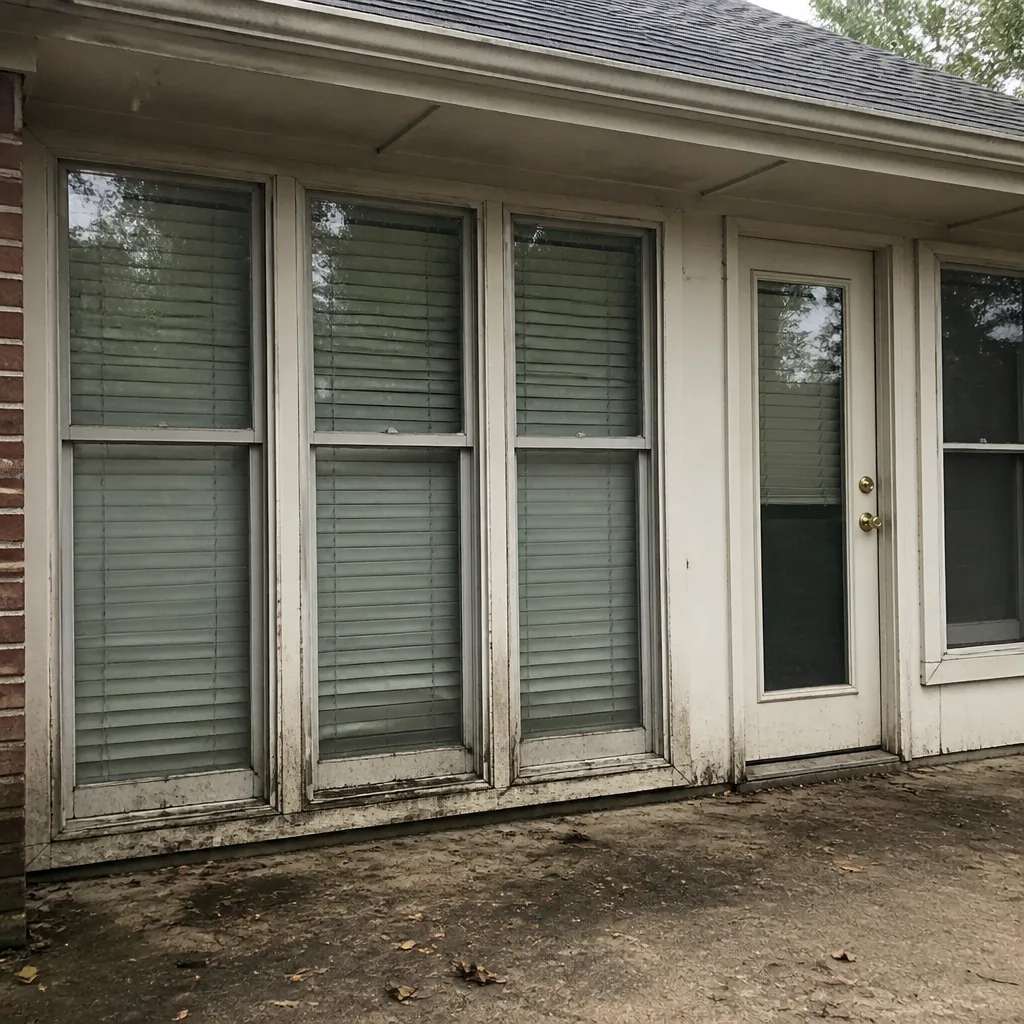 Before
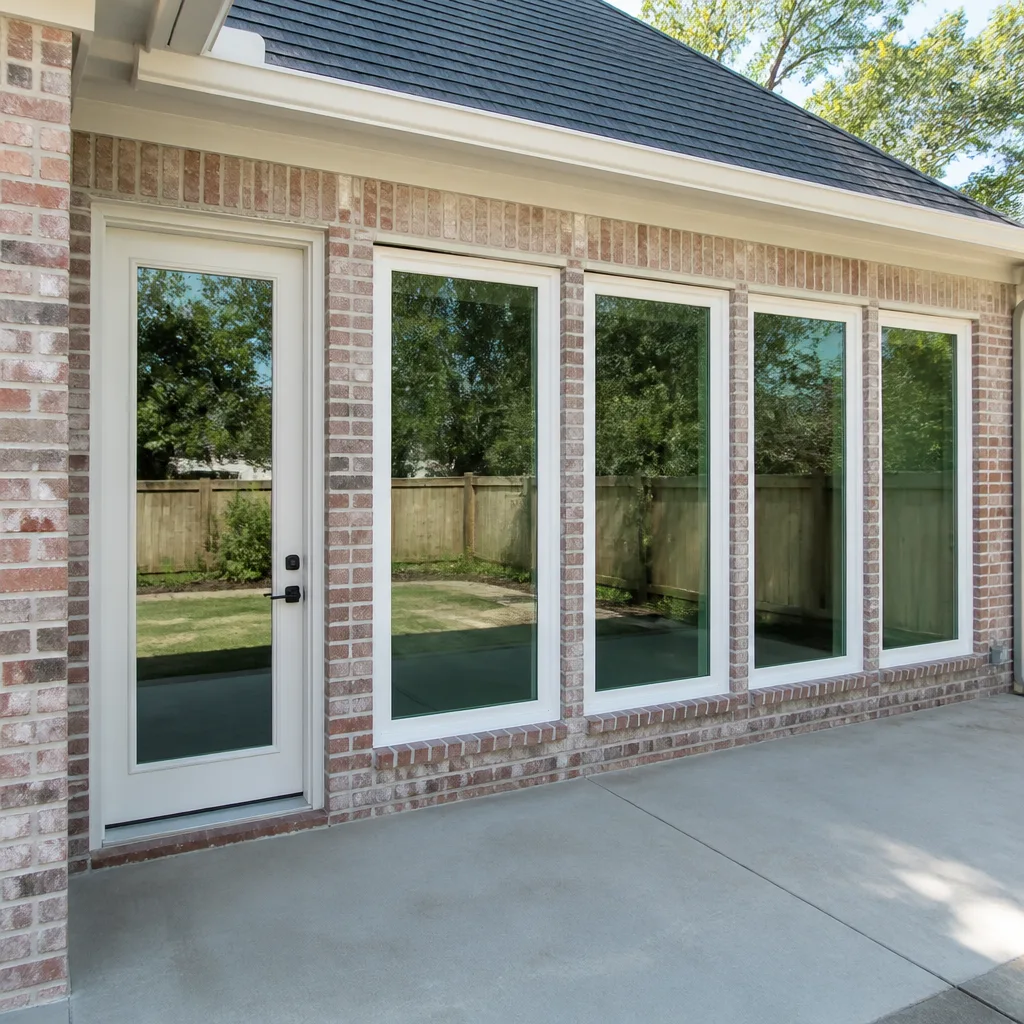 After
After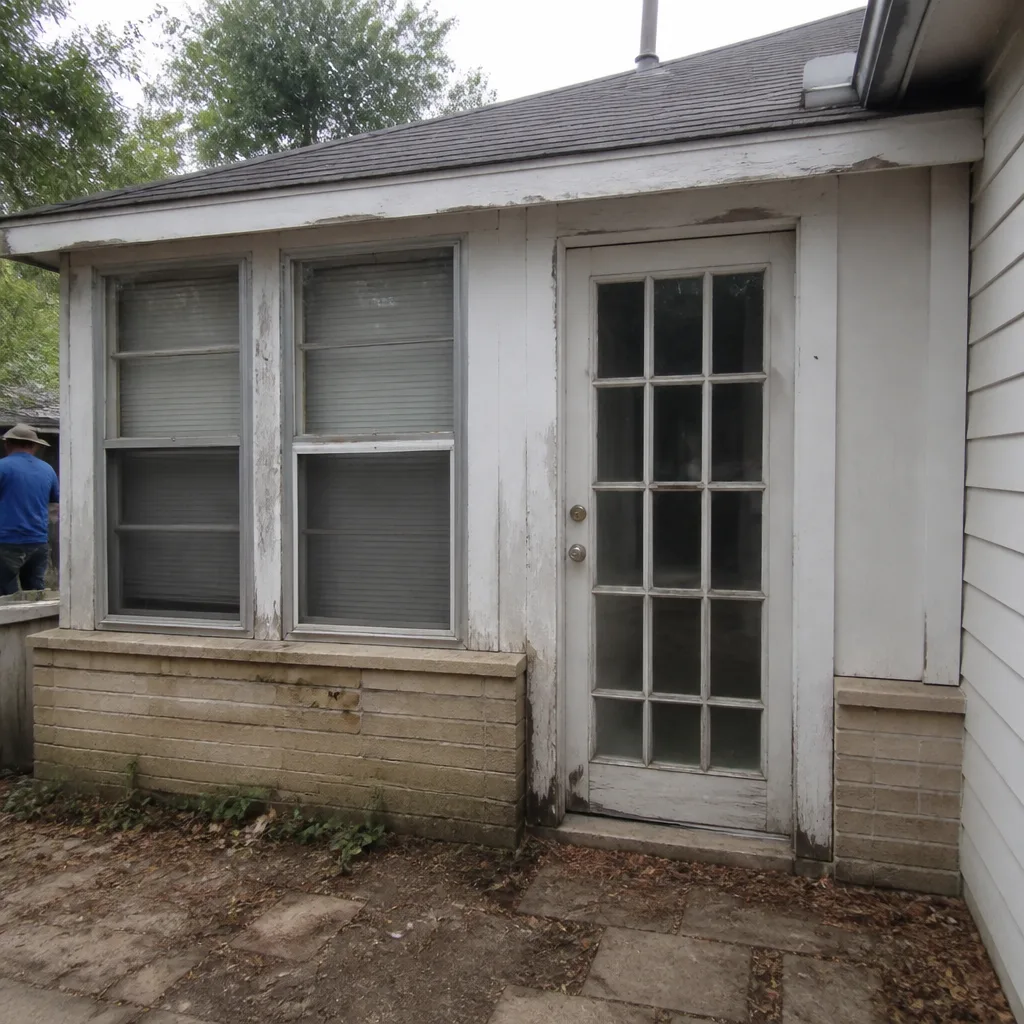 Before
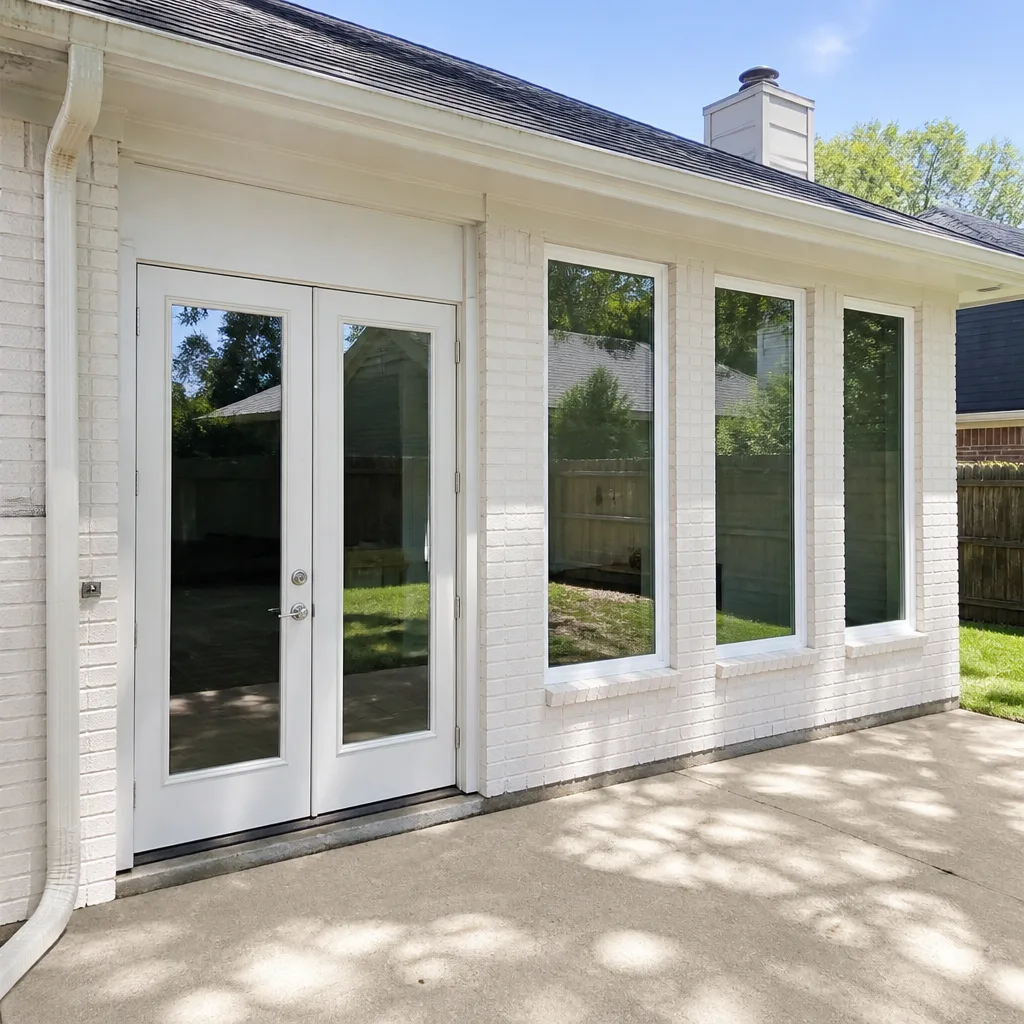 After
After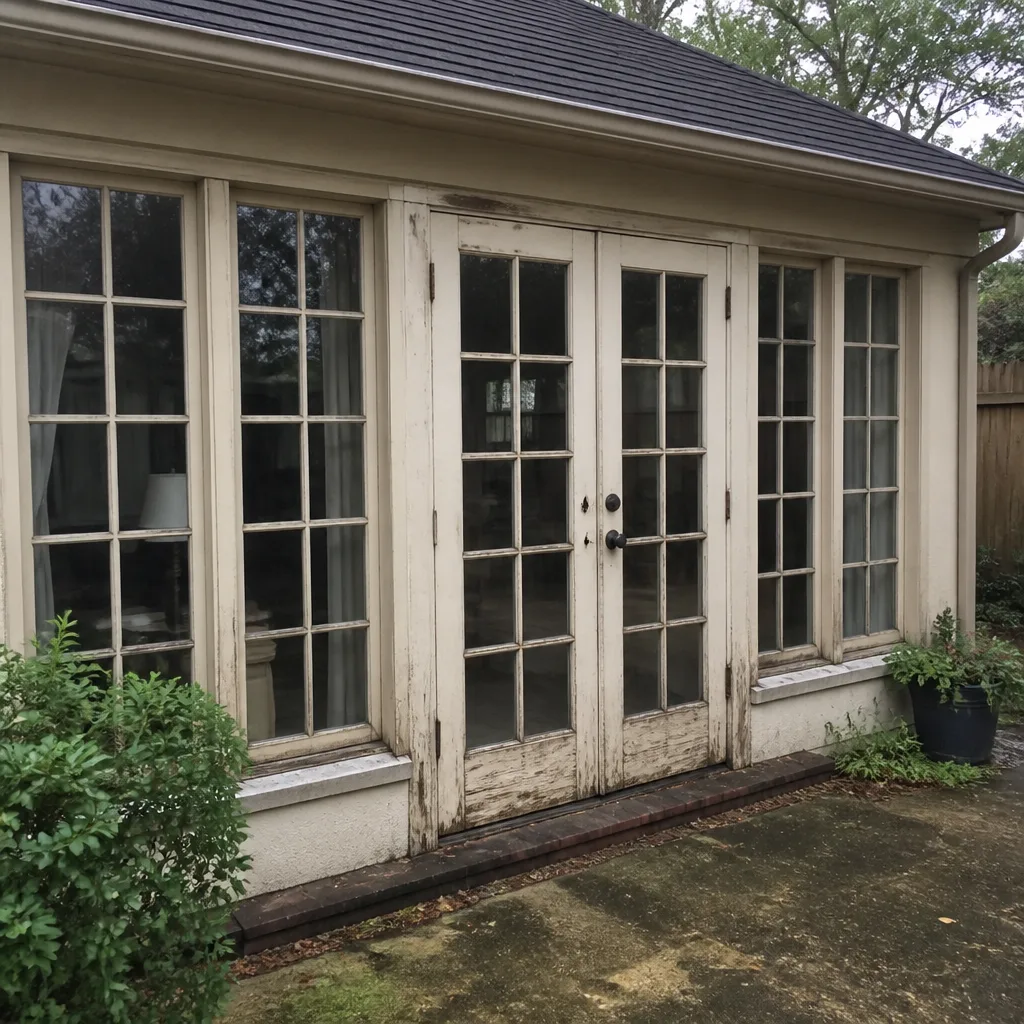 Before
 After
AfterSix Reasons Homeowners Choose Lightwell Windows Houston
Laminated glass and reinforced frames hold up to wind-driven rain, hail and flying debris, so your openings stay sealed when the weather turns.
Low-E insulated impact glass from our manufacturer lines commonly cuts monthly cooling bills 20-30%.
Laminated impact glass shuts out up to 40% of outside noise - traffic, neighbors, weather.
Monitoring services run $30-90 a month. Laminated impact glass resists forced entry around the clock, with no subscription.
Tighter seals and insulated glass even out hot and cold rooms and stop the drafts at the frame.
A full impact package upgrades curb appeal, buyer confidence and appraised value in one project.