
Last updated October 17, 2026
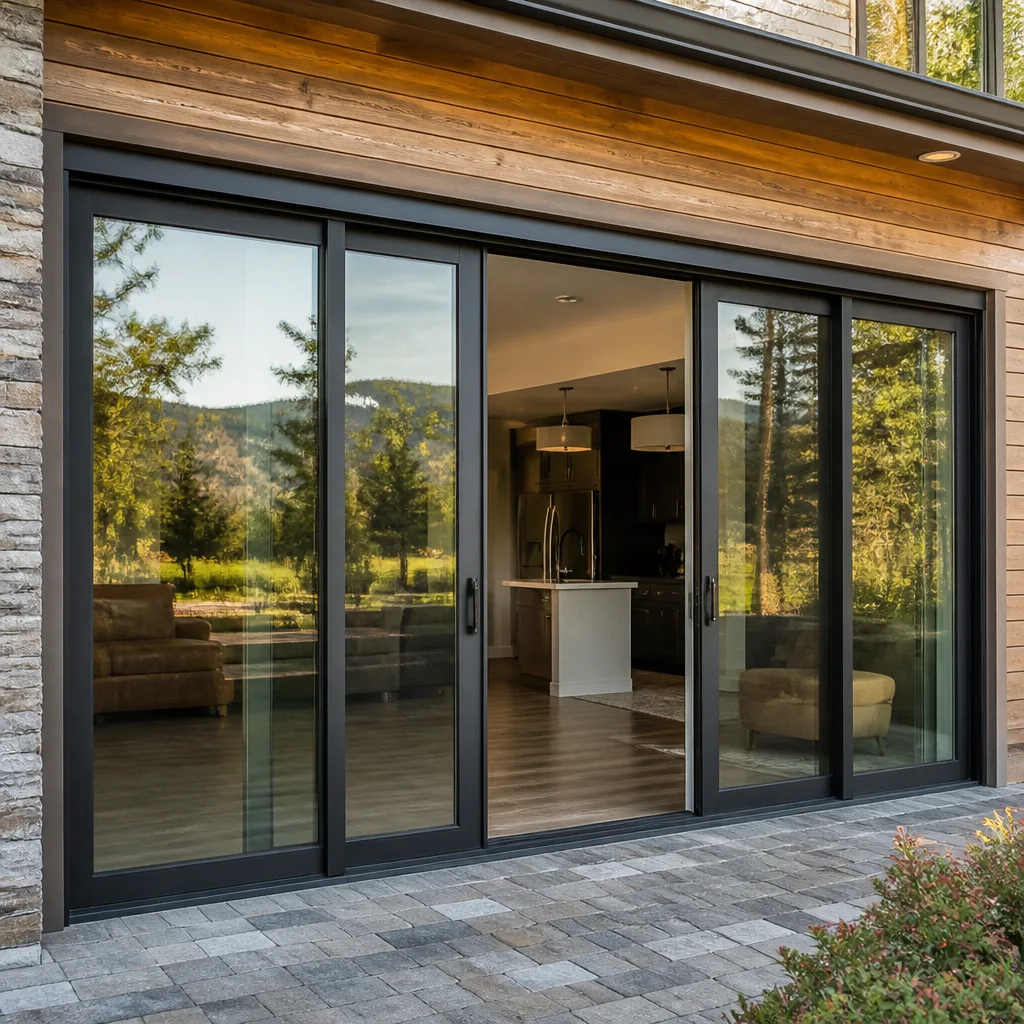 Sliding glass doors
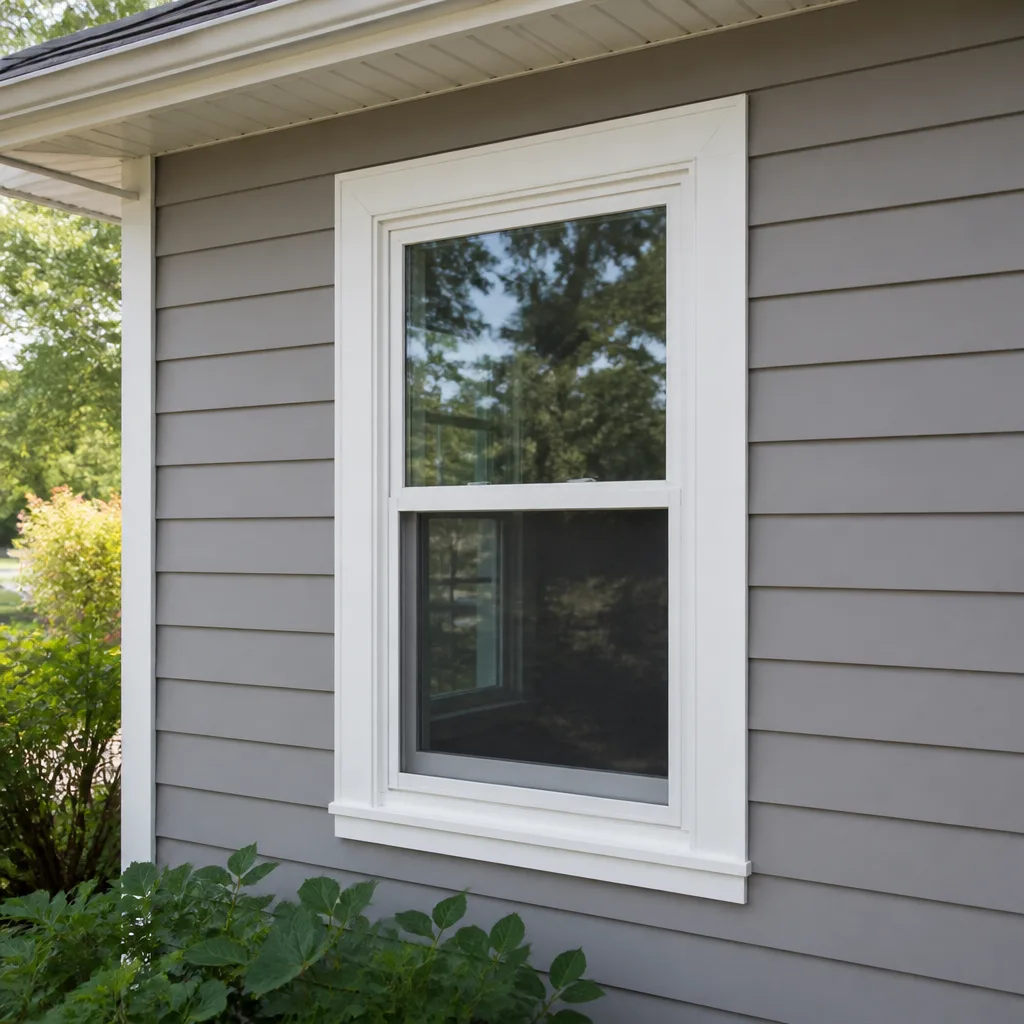 Single hung
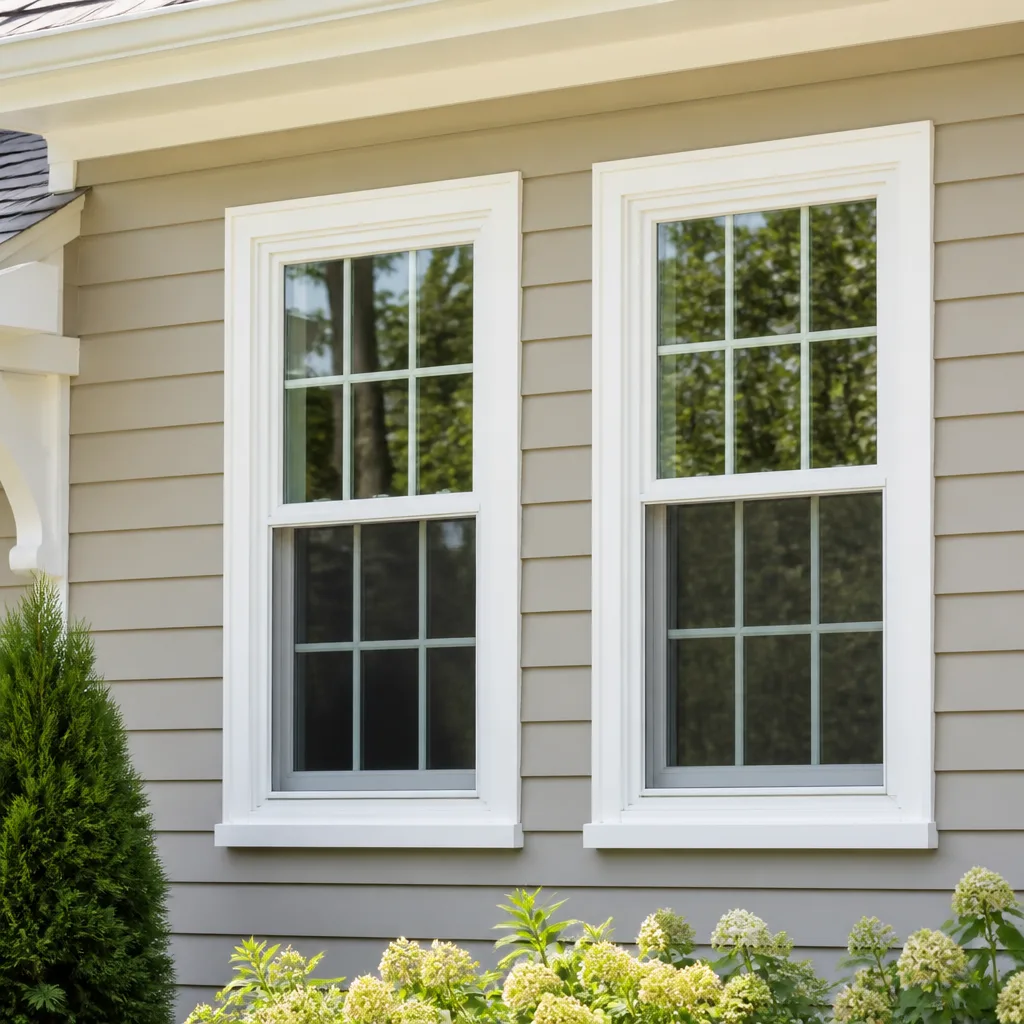 Double hung
 Horizontal roller
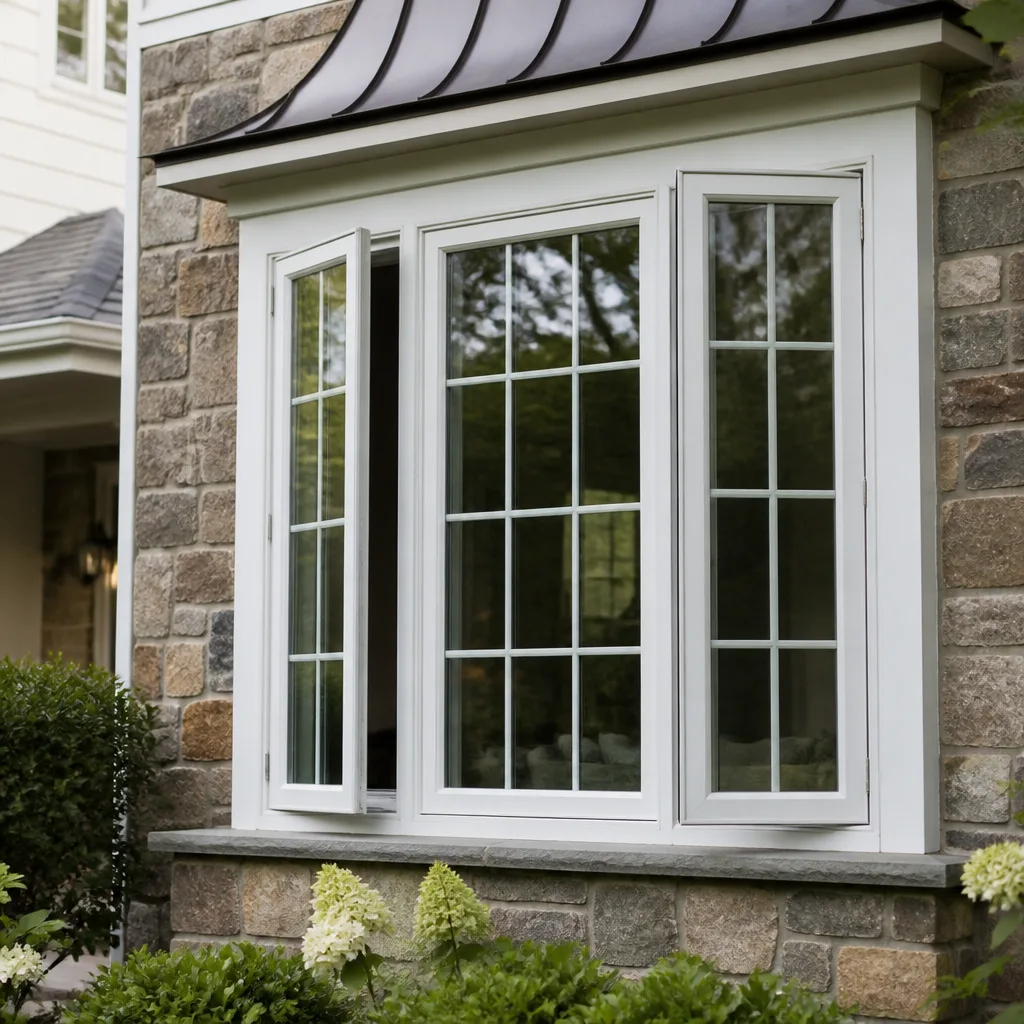 Casement
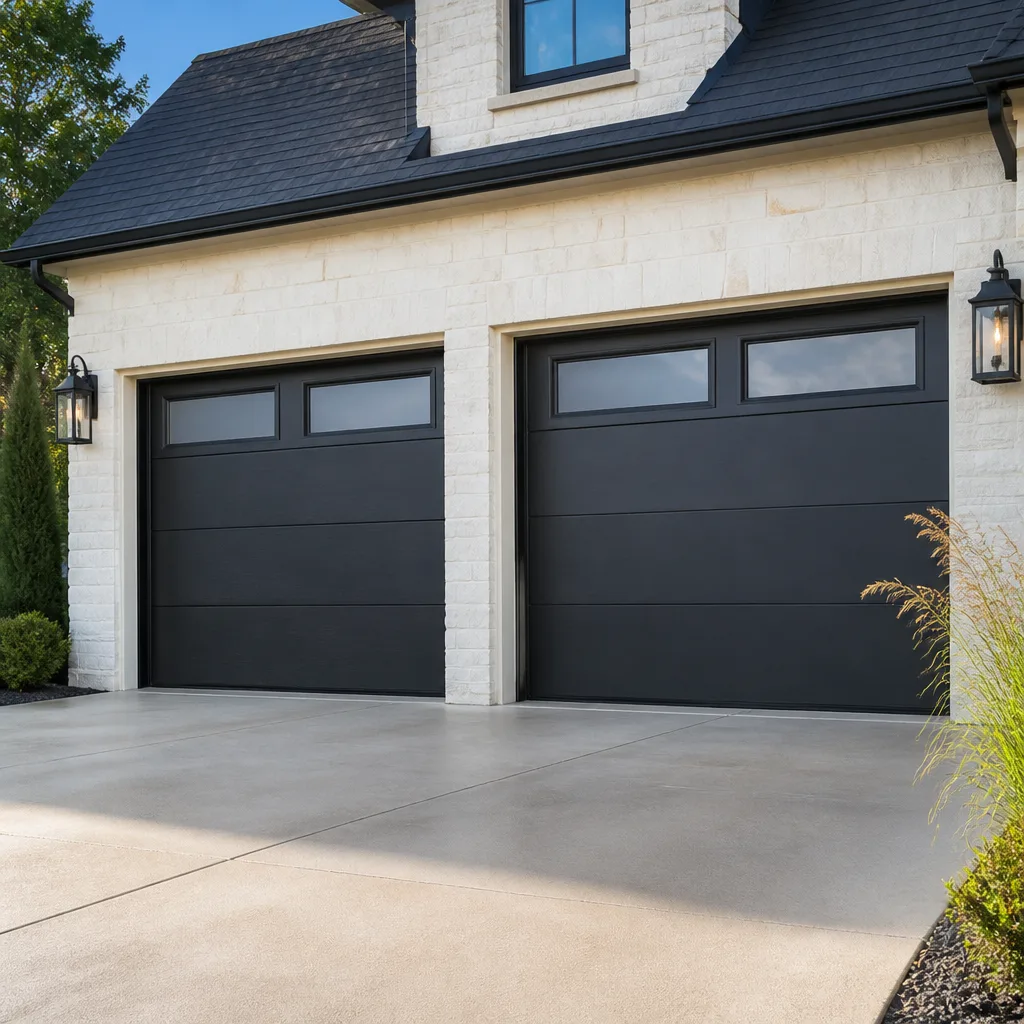 Impact garage doors
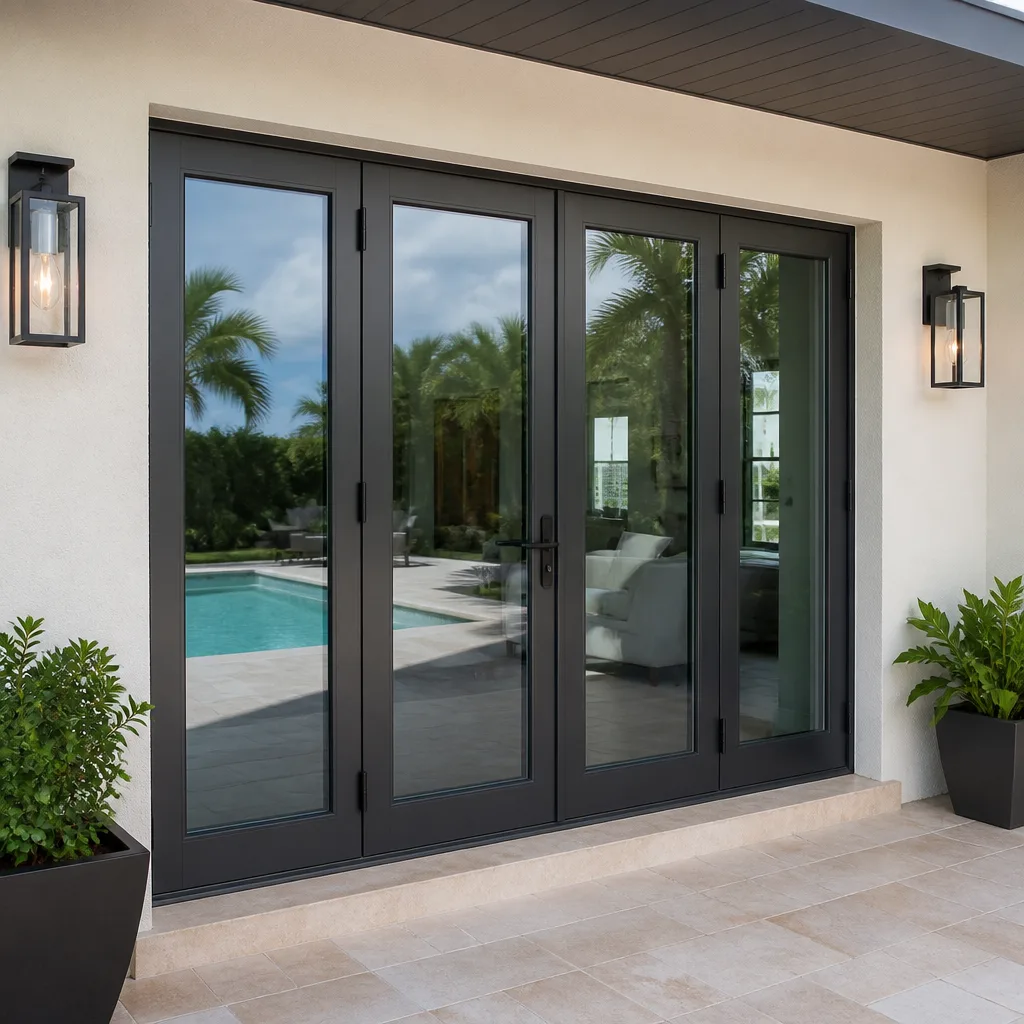 PGT
PGT CGI
CGIFree in-home measure and quote - PGT, CGI and CWS impact lines compared on your actual openings, style by style
Get your free estimateWindows & Doors Permits, Codes & Inspections in TX: What You Need to Know
A window replacement that doesn’t require a permit in unincorporated Harris County may require one and a wind-load compliance certificate in the City of Houston proper. Discovering that after installation can force a re-inspection, a retrofit, or a disclosure headache when the home sells. This guide walks through the actual permit landscape for Houston homeowners, so no one is surprised by a stop-work order or a failed inspection on closing day. We’ll cover city code thresholds, wind zone rules, historic district overlays, and who should pull the permit.
Styles & brands we work with
Quick Answer
In Texas, window and door replacement permits are governed by local municipalities, not a single state rule, so The Complete Guide to Windows & Doors in Houston is worth reviewing before you start. In Houston proper, most like-for-like window replacements do not require a building permit, but any change to the rough opening size, structural framing, or a home in a designated wind-borne debris region does. Door replacements follow similar logic: same-size door swaps are usually classified as maintenance, while widening an opening or adding a new door requires plans, a permit, and an inspection.
Table of Contents
- When Houston Requires a Permit for Window Replacement
- Door Replacement Permits: What the City Looks For
- Wind-Borne Debris Regions and the Texas Residential Code
- Historic District Rules for Houston Heights, Eastwood, and Woodland Heights
- Contractor-Pulled vs. Homeowner-Pulled Permits
- What the Inspection Process Actually Looks Like
- Documentation That Keeps a Job Inspection-Ready
- Common Mistakes to Avoid
- When to Call a Professional
- Frequently Asked Questions
- The Bottom Line
When Houston Requires a Permit for Window Replacement
The City of Houston’s building code distinguishes between a like-for-like replacement and an alteration. A like-for-like replacement means the new window fits into the existing rough opening with no changes to the framing, header, sill plate, or surrounding structure. Under Section 101.4 of the Houston Construction Code, that work is classified as ordinary repair and does not require a permit. The moment the rough opening changes size, the header is altered, or structural members are cut, the job becomes an alteration and a permit is required before any work begins.
Here is where homeowners in Houston get caught. A larger window that means a wider view, more glass, or a different egress path is an alteration. Even if the new window is the same width and height, but the installation method involves removing the nailing flange and replacing a section of rotted sheathing, the code inspector may still treat it as a repair, but the smartest path is to call the Houston Permitting Center and describe the job. In our experience, a ten-minute phone call with a plan review technician beats a stop-work order by a wide margin.
Square footage thresholds that matter:
- Replacing one or two windows of the same size in a single-family residence: no permit, all other things being equal.
- Changing the opening size by even 2 inches in width or height: permit required.
- Adding a new window where no opening existed: full structural permit, including plans sealed by a Texas-registered engineer if the wall is load-bearing.
- Converting a window to a door or a door to a window: permit required, plus egress and glazing checks.
Houston also enforces a separate energy code. Replacement windows must carry an NFRC label showing a U-factor and solar heat gain coefficient (SHGC) that meet current Texas energy code for Climate Zone 2. A window that meets code in Ohio will not necessarily meet the SHGC requirement for Houston’s heat and humidity. The label matters at inspection. Without it, the inspector can fail the job even if the installation work is clean.
Door Replacement Permits: What the City Looks For
Door replacements in Houston follow the same like-for-like logic as windows. A new prehung door that fits the existing rough opening, uses the same framing, and does not change the swing or hardware location is treated as ordinary maintenance. A homeowner can replace a front door, a back door, or a sliding patio door without pulling a permit, provided the structural opening is untouched.
What changes that picture:
- Any widening of the rough opening, even for a standard-size door, requires a permit.
- Adding a door where one never existed means cutting a new opening, installing a header, and often adding shear wall detailing. This is a structural permit with engineering involved.
- Replacing a sliding glass door with French doors in the same opening may trigger a permit if the new threshold changes floor construction or the removed mullion was contributing to wall bracing.
- A front door swap in a designated historic district has its own review process, covered below.
For Houston homeowners, the door that causes the most confusion is the side garage door and the door between the garage and the house. Both are subject to fire-separation rules under the International Residential Code. The door between the garage and living space must be a minimum 20-minute fire-rated door with a self-closing hinge. A replacement that ignores this requirement can fail a home inspection even if the building department never comes out for the door alone. When we install doors through our Door Installation in Houston service, every door between a garage and living space is checked against that fire-rating requirement before we order product.
Wind-Borne Debris Regions and the Texas Residential Code
Harris County and most of Houston fall within a wind-borne debris region, as mapped by the Texas Department of Insurance and incorporated into the adopted IECC and IRC codes, which is one of the key Windows & Doors Warning Signs: A Houston Homeowner’s Reference Guide topics. What that means in plain language: the glass and frames on windward-facing elevations must be impact-rated or protected by shutters. The specific wind speed contour matters, too. Houston proper is mostly in the 140-mph to 150-mph wind speed zone, which triggers additional fastener, anchoring, and flashing requirements under the Texas Windstorm Insurance Association (TWIA) building specifications for homes in the coverage area.
This is not a paperwork formality. A window that does not meet the wind-borne debris requirement on an exposed elevation can be failed at inspection, or worse, torn out and replaced after the fact. We have seen homeowners save a few hundred dollars per opening on non-impact product, only to spend multiples of that replacing the same windows after an inspection flag.
What the wind zone rules mean for product selection:
- Impact-rated windows from manufacturers like CGI and ES Windows are tested to ASTM missile-impact standards, which exceeds the Texas code minimum.
- Non-impact windows may be allowed on protected elevations if permanently installed shutters or laminated glass are part of the scope.
- Window and door buck installations in masonry homes need anchored frames every 24 inches at minimum. Inspectors check fastener spacing and embedment depth.
- All exterior openings require a self-adhered flashing membrane that laps the rough opening in the correct shingle fashion, which Houston inspectors specifically look for at the sill and side jambs.
For homes in the TWIA coverage zone, the certificate of compliance gets filed with the county and stays with the property. A missing certificate becomes a disclosure problem when the home sells. Buyers in Houston are increasingly asking for windstorm compliance paperwork. Sellers who cannot produce it face negotiation pressure. Getting it right the first time is the cheapest option by a very large margin.
Historic District Rules for Houston Heights, Eastwood, and Woodland Heights
Houston is famous for being lightly zoned, but the city’s designated historic districts operate under real review. The Houston Heights, Eastwood, and Woodland Heights historic districts each require a Certificate of Appropriateness (COA) from the Houston Archaeological and Historical Commission (HAHC) before any exterior change visible from the public right-of-way. Window and door replacements are squarely in that category.
In the Houston Heights East and West districts, the guidelines specifically address replacement window muntin profiles, sash dimensions, and material. A vinyl window with a flat-plastic grid pattern will likely be denied on a contributing structure. Wood-clad or historically compatible products in the correct sight lines have a much better path to approval. The HAHC does not require historically accurate single-pane glass or storm windows, but it does require that the replacement window’s visible width, depth, and grid pattern match the period language of the block.
Eastwood and Woodland Heights have their own guidelines, and they differ in wording but not in spirit. The review focuses on the front elevation. Rear and side elevations get more latitude. A back door replacement that uses a different material will often be approved without much discussion, while a front porch door with an incompatible glass pattern can hold up a COA for months.
Steps a Houston homeowner should take in a historic district:
- Confirm the property’s contributing status. The City’s Planning and Development Department maintains a district map with parcel-level contributing and non-contributing designations.
- Photograph the existing windows and doors before removing anything. The HAHC application requires existing-condition photos.
- Select replacement product that matches the original sight lines. Products from CWS and ECO Window Systems offer divided-light options that have been approved in Houston historic districts, but every block can differ.
- Submit the COA application with manufacturer cut sheets and a dimensioned drawing before ordering product. The HAHC meets twice monthly, and the process can take 4 to 8 weeks depending on the agenda.
- Do not start construction until the COA is issued. Work performed without a COA in a historic district can be required to be redone, not just retroactively approved.
The good news is that the HAHC process is predictable. The staff reviews applications before the commission hearing, and the review comments are specific. A well-prepared application moves through on the first hearing. A poorly documented one stalls. The difference is in the paperwork, not the neighborhood.
Contractor-Pulled vs. Homeowner-Pulled Permits
Texas law allows a homeowner to pull a permit for work on their own primary residence when the local jurisdiction permits it, and the City of Houston allows homeowner permits for window and door work. What a homeowner cannot legally do is pull a permit for a contractor performing the work. That is a violation of Houston’s contractor registration rules and it shifts liability to the homeowner if an injury occurs on the job or an inspection fails on a technicality.
The practical difference comes down to who carries the risk. When a licensed and registered contractor pulls the permit, the contractor’s name is on the record, the contractor’s insurance is on the hook, and the contractor answers to the inspector. When a homeowner pulls the permit, the homeowner is the responsible party on the public record. The inspector calls the homeowner, not the contractor, when there is a correction.
Another difference that matters in Houston: contractors registered with the City maintain current code knowledge. The codes Houston adopts change every few years. A contractor pulling permits regularly knows whether the current adopted code is the 2021 IRC or a later adoption with local amendments. A homeowner pulling a permit for the first time is learning the process in real time while paying for crews to stand by.
There is also a resale consideration. A permit history on a property is public record. A clean, contractor-pulled permit with a passing final inspection tells a future buyer that someone with expertise vouched for the work. An unpermitted alteration, or a permit that was pulled by a homeowner and never finaled, is a disclosure item on the seller’s disclosure notice. We have watched that single item knock thousands of dollars off a Houston home’s sale price.
For homeowners in Houston considering Window Replacement in Houston, the cleanest path is usually to have the contractor pull the permit when one is required. It costs a little more up front. It costs nothing compared to the alternatives.
What the Inspection Process Actually Looks Like
For the window and door jobs that do require a permit in Houston, the inspection process is not mysterious, but it is specific. Here is how a typical rough opening alteration with new windows proceeds:
- The permit is applied for through the Houston Permitting Center, with a site plan, elevation drawings, and product specifications.
- Plan review runs concurrently with the structural review if the alteration touches a load-bearing wall. Houston’s plan review for window alterations is typically 5 to 15 business days.
- Once the permit is issued, the contractor calls for a rough inspection before any trim or drywall covers the new header and framing. The inspector verifies the header size, king studs, jack studs, anchorage, and flashing.
- Windows and doors are installed. The contractor calls for a final inspection when the work is complete.
- The final inspector verifies the NFRC labels, the egress dimensions for any window in a bedroom, the smoke seal and self-closing hinge on any garage-adjacent door, and the window flashing sequence at the head, jamb, and sill.
- The inspector signs off. The permit is finaled. The paperwork becomes part of the city’s permanent record for the address.
Inspectors in Houston are not looking for a reason to fail a job. They are looking for the things their checklist requires, and they are on the clock. A job that is clean and ready gets passed in minutes. A job that is covered in trim when the rough inspection was supposed to happen gets failed, and the reinspection fee gets added to the project.
Documentation That Keeps a Job Inspection-Ready
Most permit problems in Houston are documentation problems, not installation problems. The installer does the work correctly, but the paperwork is not there when the inspector arrives. What we have learned from years of inspection cycles is that the paperwork package is part of the job, not an add-on.
The documents that should be on site at every inspection:
- The printed permit and plans, with any revision cloud marked where changes were made in the field.
- NFRC label sheets or a manufacturer’s certification for every window and door installed, including the U-factor and SHGC values.
- Wind load documentation for impact-rated products, or the shutter specification if shutters are the compliance path.
- The flashing manufacturer’s installation instructions, with the inspector’s attention drawn to the head, jamb, and sill details.
- The certificate of compliance for any job in the TWIA windstorm zone.
- Photographs of the rough opening before insulation and trim covered the structural work.
The Cedarwell Care Promise that Lightwell Windows Houston runs on includes a written price before any work starts, with no-hassle upfront pricing as a standing operating rule. That documentation package also serves a second purpose at inspection time. The same line-item paperwork that shows the homeowner exactly what the job cost is the paperwork that shows an inspector exactly what was installed. It is not two separate systems. It is one clean record.
Keith Yamada, our owner, has said the same thing to more Houston homeowners than he can count: the inspector’s signature is the last line item on a well-run job. It does not appear by accident. It appears because the paperwork was handled as carefully as the flashing.
Common Mistakes to Avoid
- Assuming a bigger window is just a bigger window. Enlarging an opening changes the header load path, the shear resistance of the wall, and the egress calculation. All three are inspection triggers in Houston. A homeowner who assumes the city will not notice a larger window often learns otherwise during a routine home sale inspection.
- Skipping the NFRC label check. A window that meets code when ordered, but arrives with the wrong label or no label at all, will fail a final inspection in Houston. The inspector cannot verify what the manufacturer did not certify. Check the label before the old window comes out.
- Starting work in a historic district before the COA is issued. The HAHC does not issue retroactive approvals for completed work. A homeowner in Houston Heights who installs new front windows without the Certificate of Appropriateness can be required to remove and replace them at their own cost.
- Using a non-impact window on a windward elevation. The wind-borne debris rules are not optional in Harris County. An inspector who finds a non-impact window on a required elevation has no discretion. The window comes out.
- Putting a non-fire-rated door between the garage and the house. It is the single most common door citation in Houston. A 20-minute fire rating and a self-closing hinge are not just good ideas. They are code requirements.
- Letting a contractor pull a permit and then disappear before the final inspection. A permit that is pulled and never finaled is an open item on the property record. It becomes a disclosure issue at sale. The best protection is to work with a contractor who treats the final inspection as part of the job, not an optional follow-up.
- Assuming the city will not check a window replacement. Houston’s permitting system cross-references addresses on finaled permits against transfer disclosures. A replacement done without a required permit does not disappear just because it was done in 2019 and the sale is in 2026.
When to Call a Professional
There are window and door projects where a homeowner can handle the work and the paperwork without trouble. A direct same-size replacement of a room window in a modern subdivision is not complicated. But there are specific situations where the professional path is the cheaper and safer path in Houston.
Call a pro when the opening size is changing, the home is in a wind-borne debris zone, the work touches a garage-adjacent wall, the home sits in a designated historic district, or the project involves more than two windows. A professional who has navigated Houston’s code process will know whether the job needs a permit, which product meets the wind load requirement, and how to present the paperwork so the inspection passes the first time. Window Installation in Houston is the kind of work where the permit is only half the puzzle; the product specification is the other half.
Lightwell Windows Houston offers free estimates in Houston. Call (254) 401-4583 and we will walk the project with you, describe what the city will and will not require, and put the price in writing before anything is ordered.
Frequently Asked Questions
Most like-for-like window replacements in Houston do not require a permit, but any change to the rough opening size, the structural framing, or a home in a wind-borne debris region does. The safest check is a call to the Houston Permitting Center or a contractor who is registered with the city. Call (254) 401-4583 for a straight answer on your specific home.
Building permit fees in Houston are based on the valuation of the work, and a residential window alteration permit typically ranges from $50 to $300 depending on project scope. Plan review fees and reinspection fees are additional. The exact number depends on the current fee schedule at the Houston Permitting Center.
Wind-borne debris rules require impact-rated glass or permanent shutter protection on windward-facing elevations in designated wind zones, which include most of Houston and Harris County. Impact-rated products from manufacturers like CGI and ES Windows are tested to meet these requirements, and the compliance documentation stays with the property record.
Yes. The Houston Heights, Eastwood, and Woodland Heights historic districts require a Certificate of Appropriateness from the Houston Archaeological and Historical Commission before any visible exterior window or door change. The review focuses on the front elevation and requires product documentation with the application.
A same-size door replacement is usually treated as maintenance, but the replacement door must still meet the fire-separation requirement: a minimum 20-minute fire rating and a self-closing hinge. Failing that standard can cause a failed home inspection even if no building permit was required for the door swap.
With Lightwell Windows Houston, the written price you approve before work begins is the price you pay. Our no-hassle upfront pricing is a standing operating rule, written into the Cedarwell Care Promise that has governed our work since 2010. Call (254) 401-4583 for an exact quote on your project; estimates are free.
The Bottom Line
Texas leaves window and door permits to the cities, and Houston’s rules are specific. Like-for-like replacements are usually maintenance. Changed openings, wind-zone compliance, and historic district elevations are not. The permit decision is determined by the scope of work, the location of the home, and the product being installed. Getting it right means a clean inspection, a finaled permit, and a sale that goes through without a disclosure surprise. Getting it wrong costs money on the back end. The cheapest path is the correct one from the start, with a contractor who knows Houston’s code process and documents the work as carefully as the installation itself. If you are planning window or door work in Houston, start with a free estimate and an honest conversation about what the city will require, or browse our more guides & resources to prepare.
Contact Lightwell Windows Houston home for a free in-home estimate in Houston and the surrounding areas. Call (254) 401-4583 to speak with a live person, any hour, any day.
Written by Keith Yamada, Owner at Lightwell Windows Houston, serving Houston since 2010.
See the difference
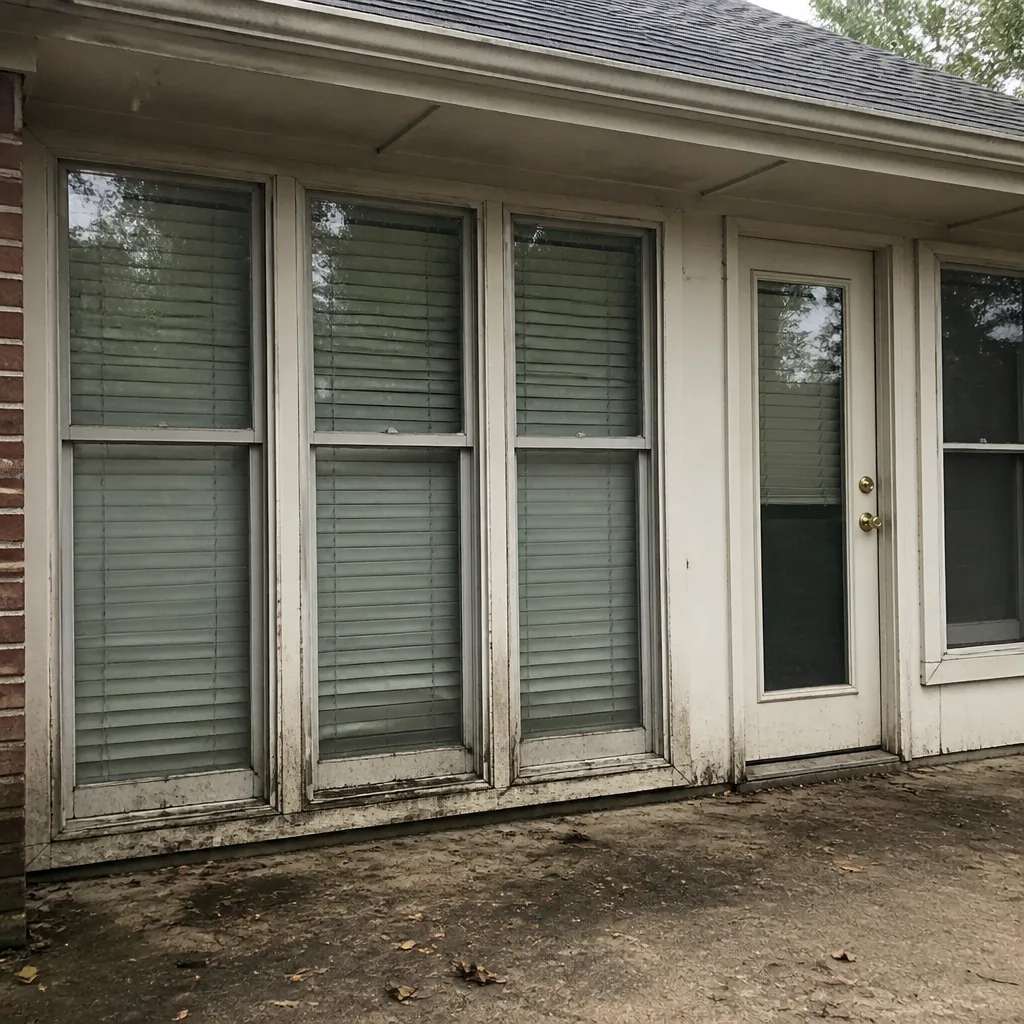 Before
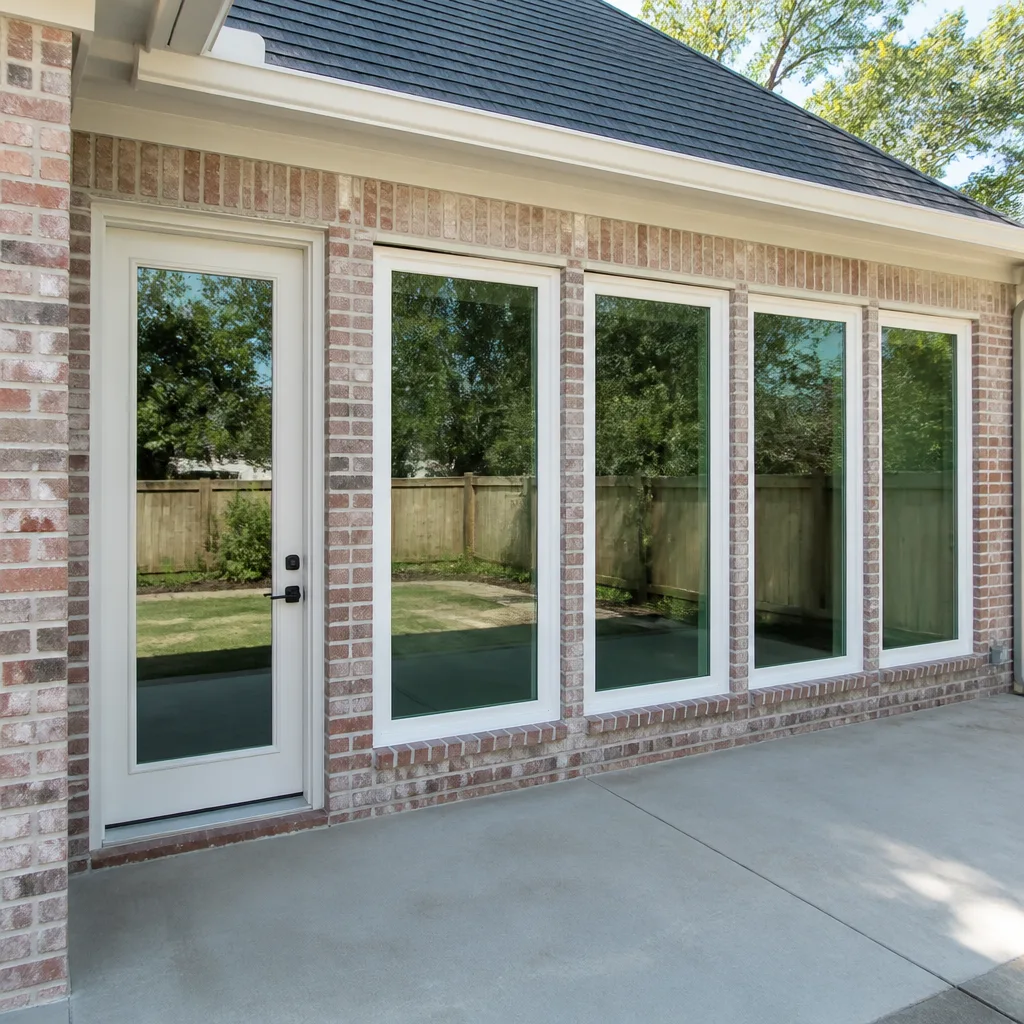 After
After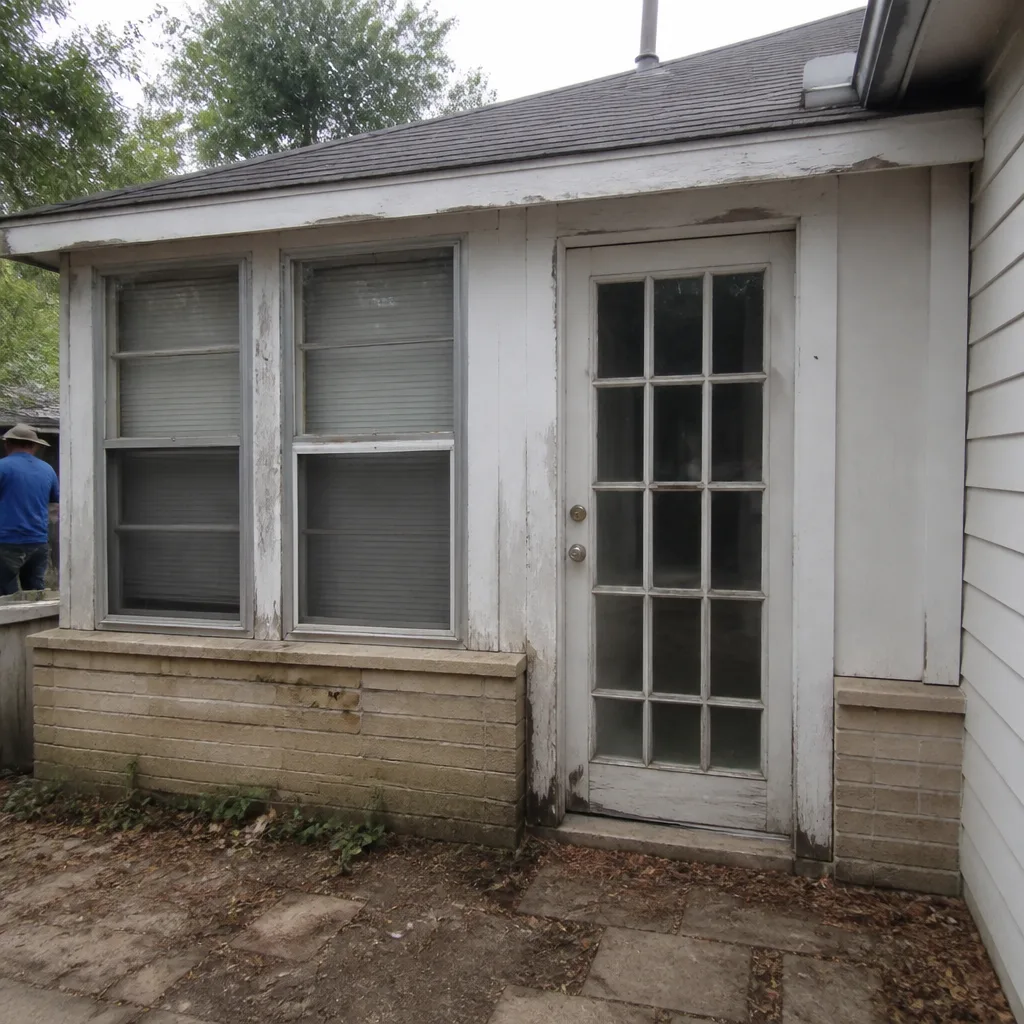 Before
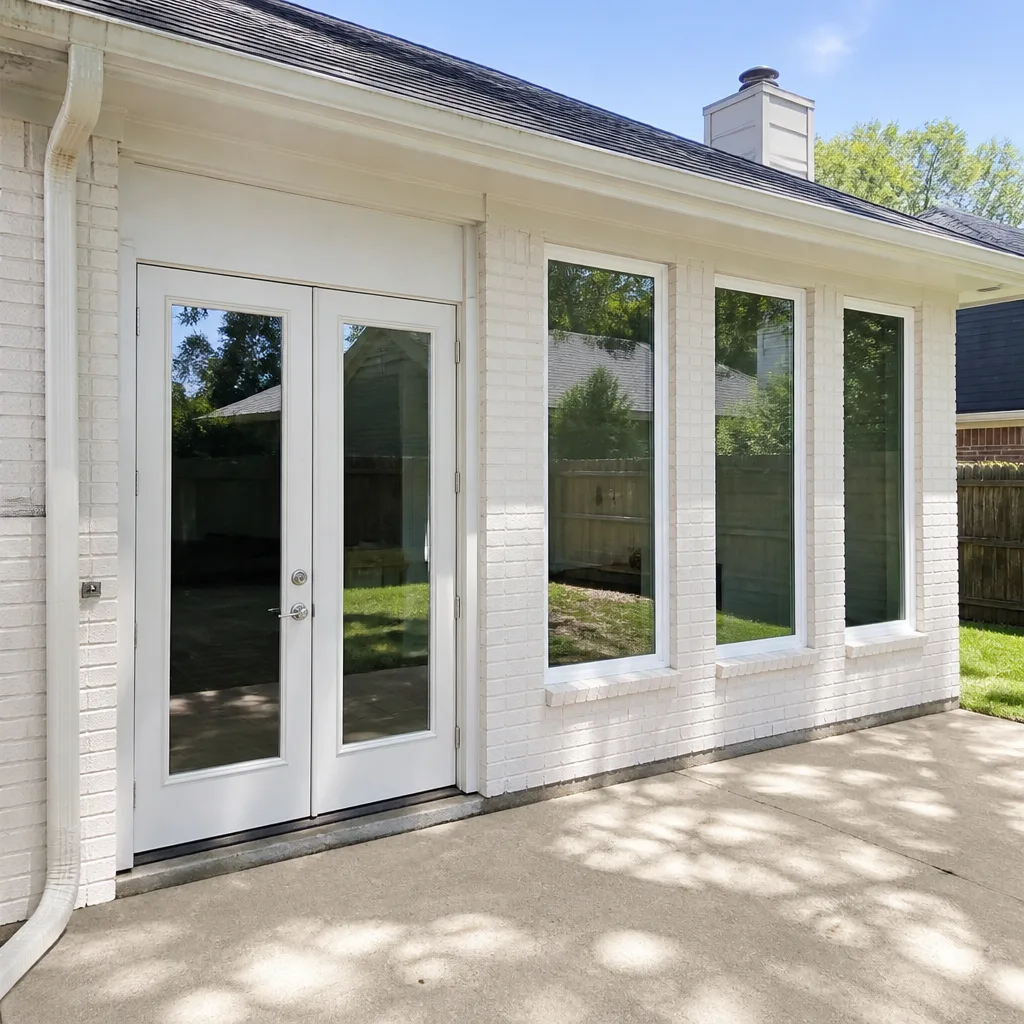 After
After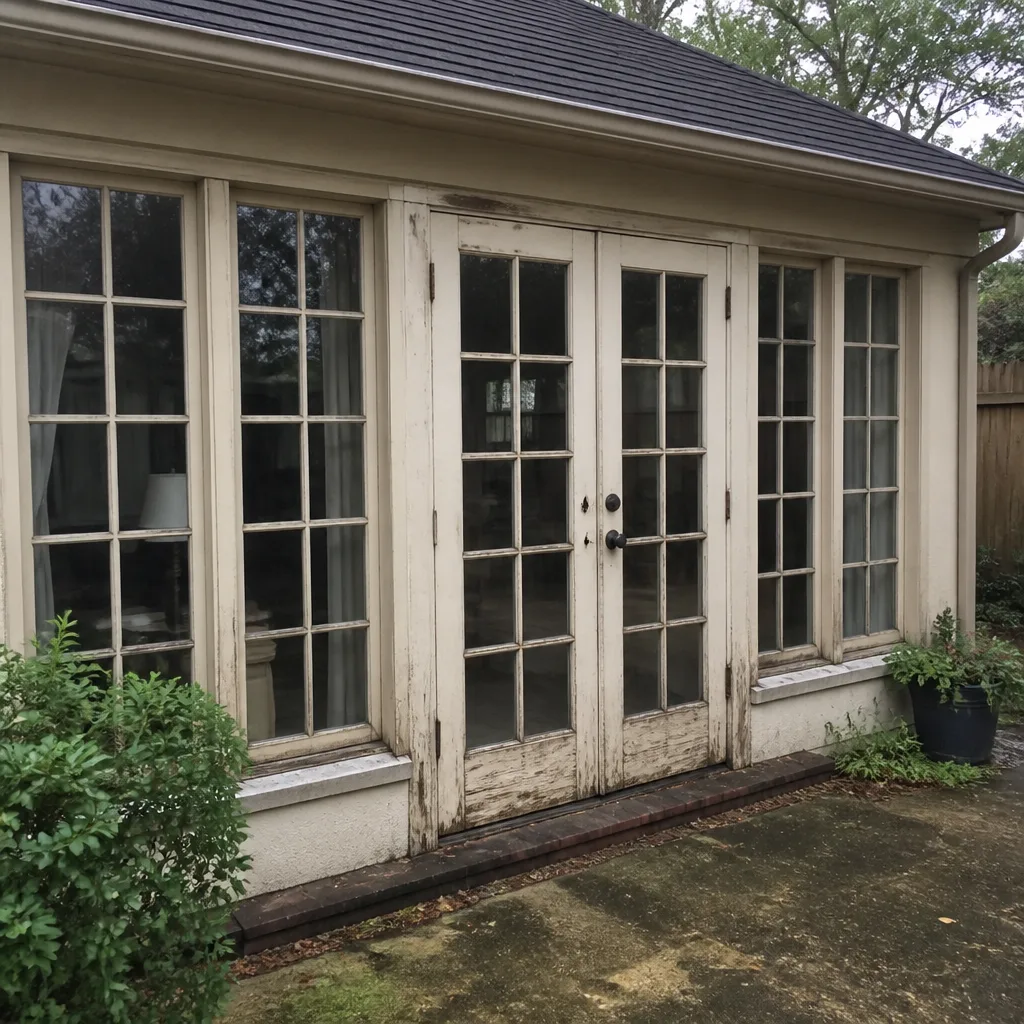 Before
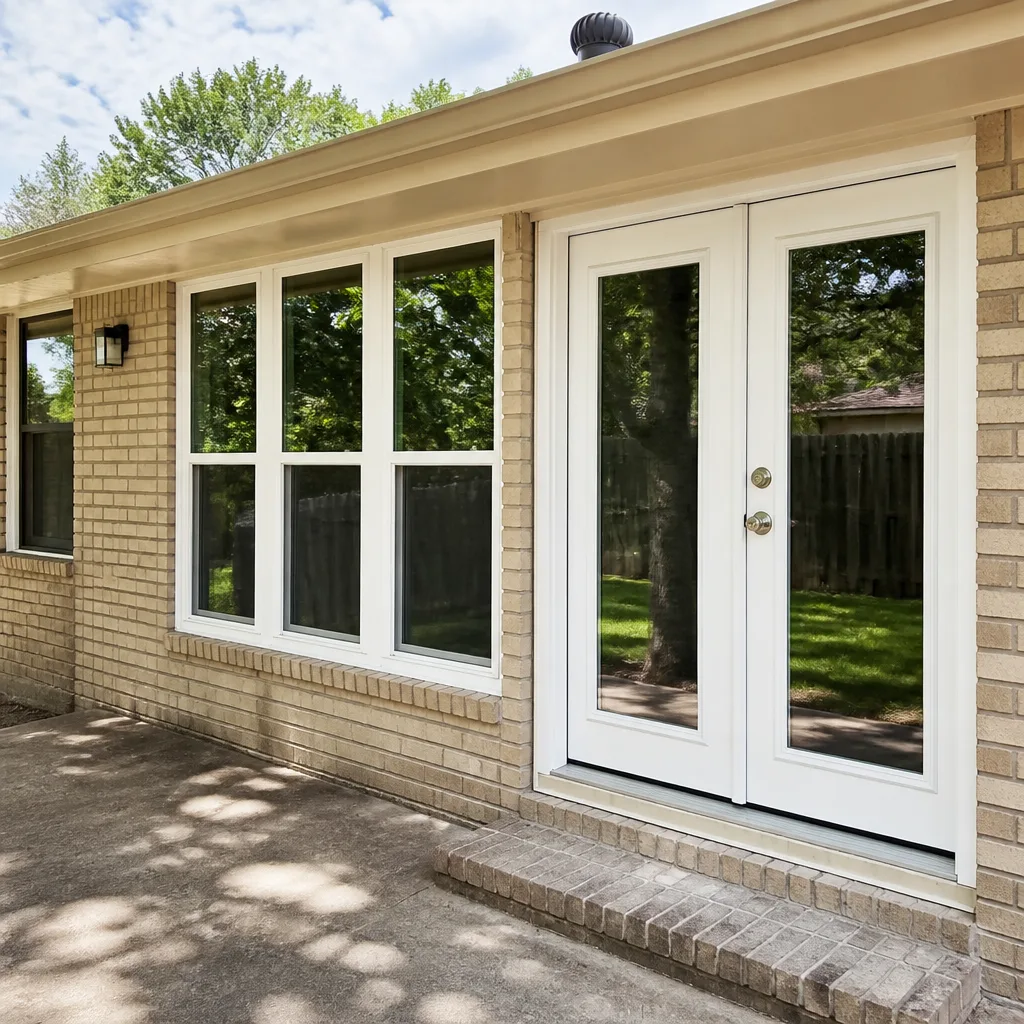 After
AfterSix Reasons Homeowners Choose Lightwell Windows Houston
Laminated glass and reinforced frames hold up to wind-driven rain, hail and flying debris, so your openings stay sealed when the weather turns.
Low-E insulated impact glass from our manufacturer lines commonly cuts monthly cooling bills 20-30%.
Laminated impact glass shuts out up to 40% of outside noise - traffic, neighbors, weather.
Monitoring services run $30-90 a month. Laminated impact glass resists forced entry around the clock, with no subscription.
Tighter seals and insulated glass even out hot and cold rooms and stop the drafts at the frame.
A full impact package upgrades curb appeal, buyer confidence and appraised value in one project.