
Last updated October 17, 2026
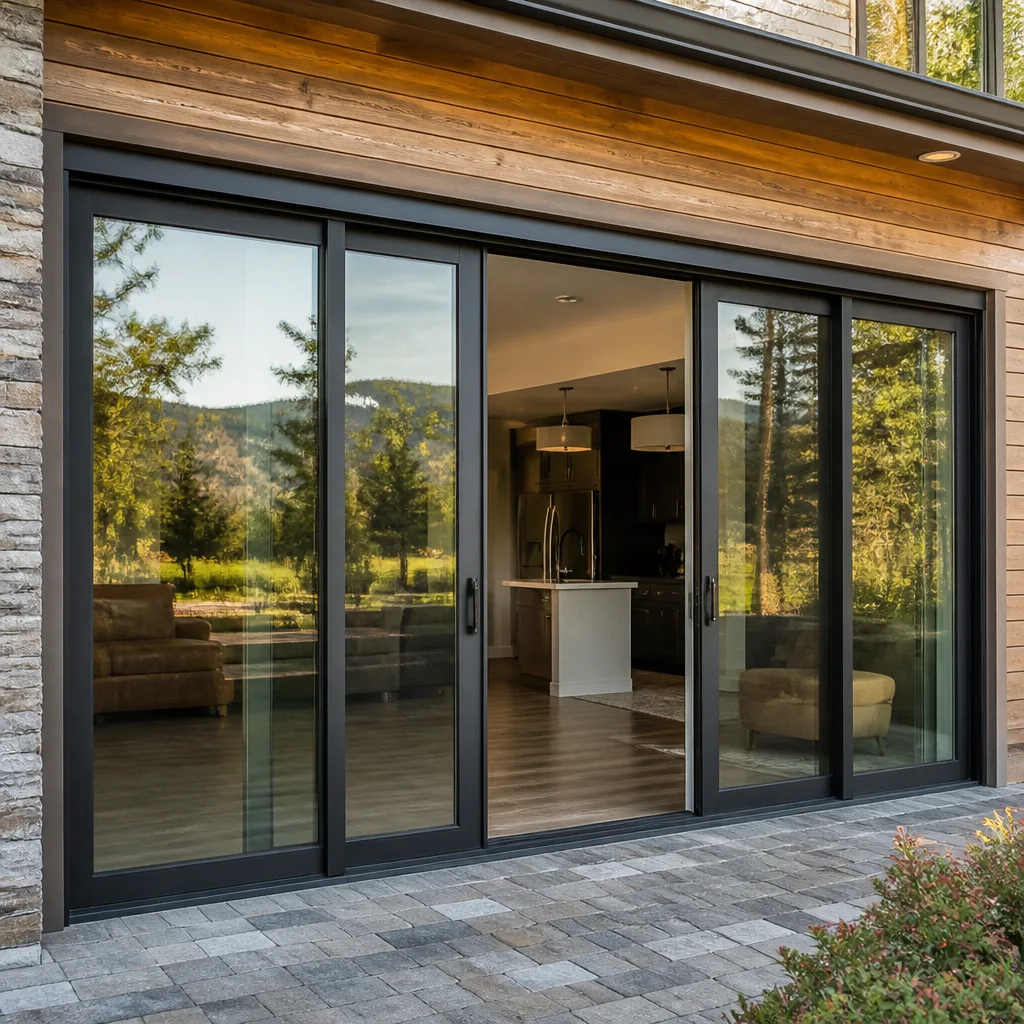 Sliding glass doors
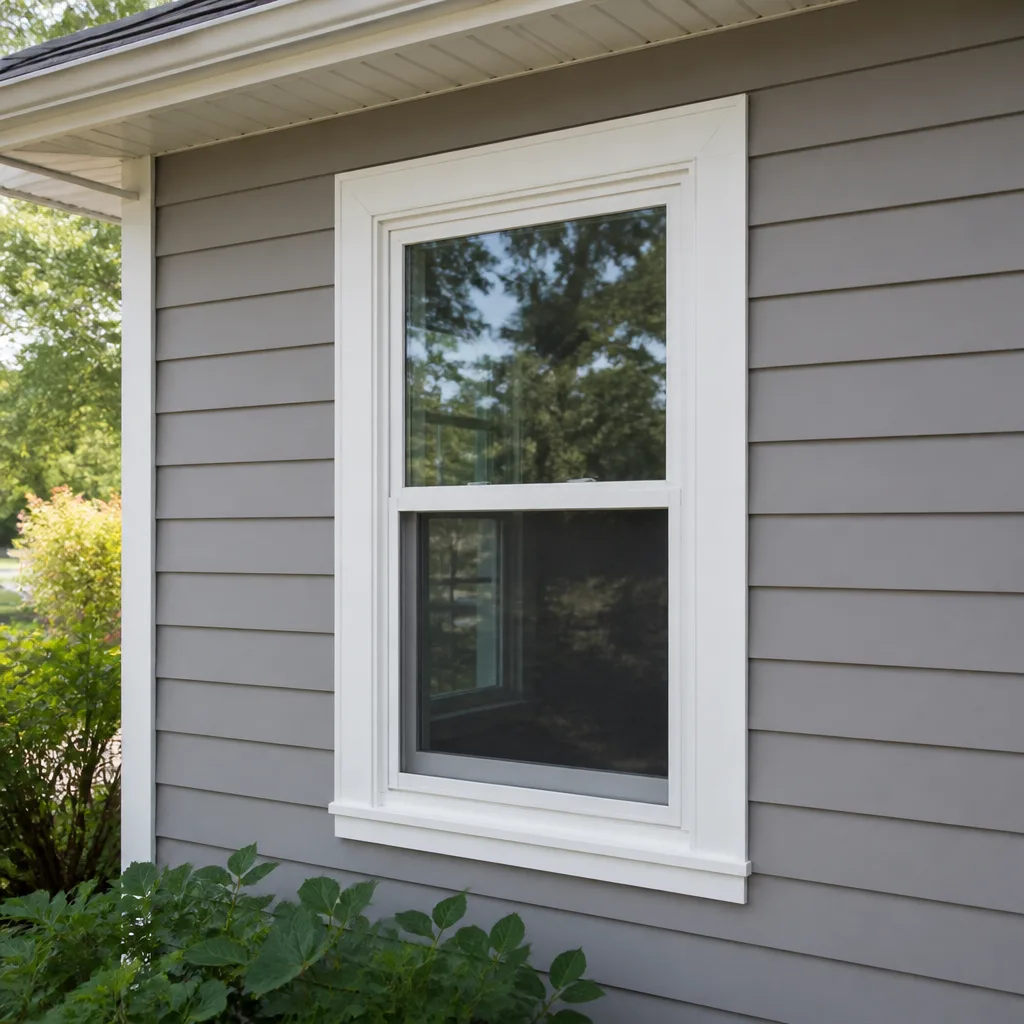 Single hung
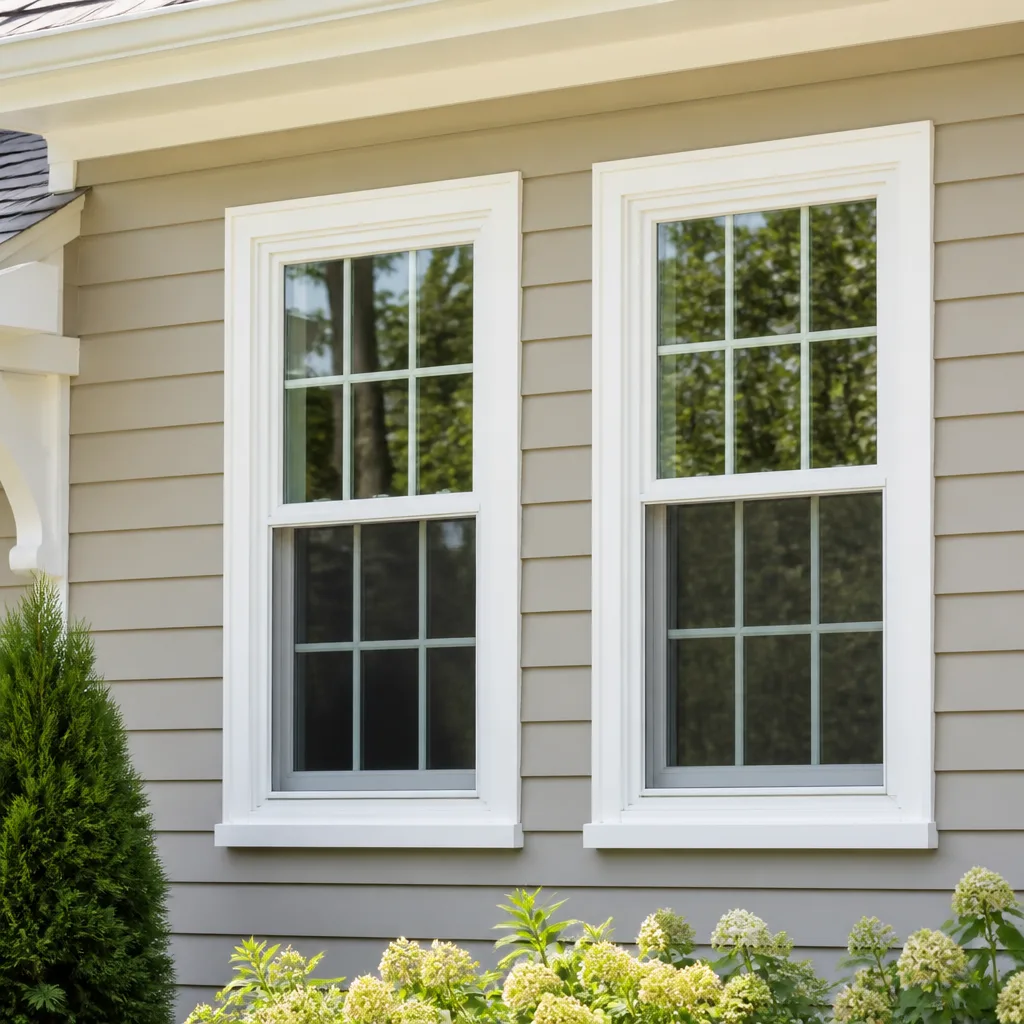 Double hung
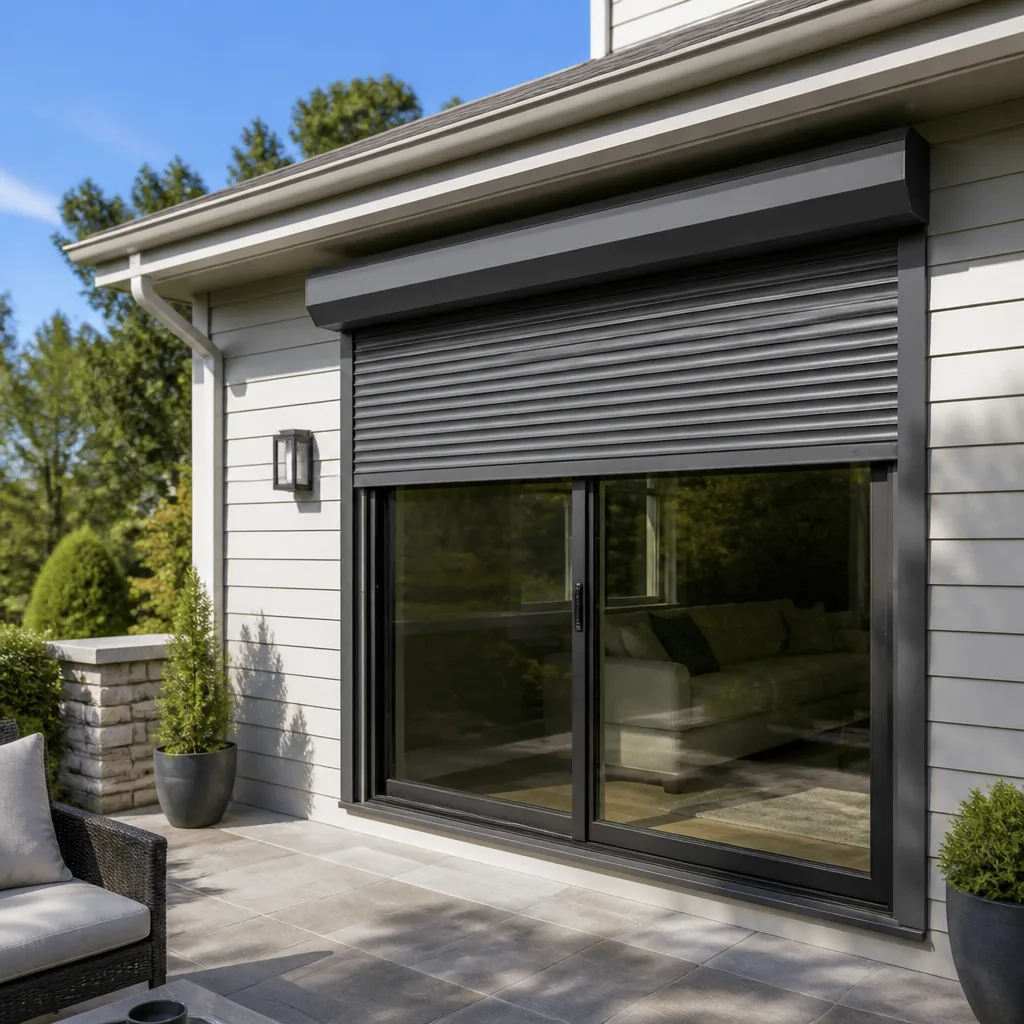 Horizontal roller
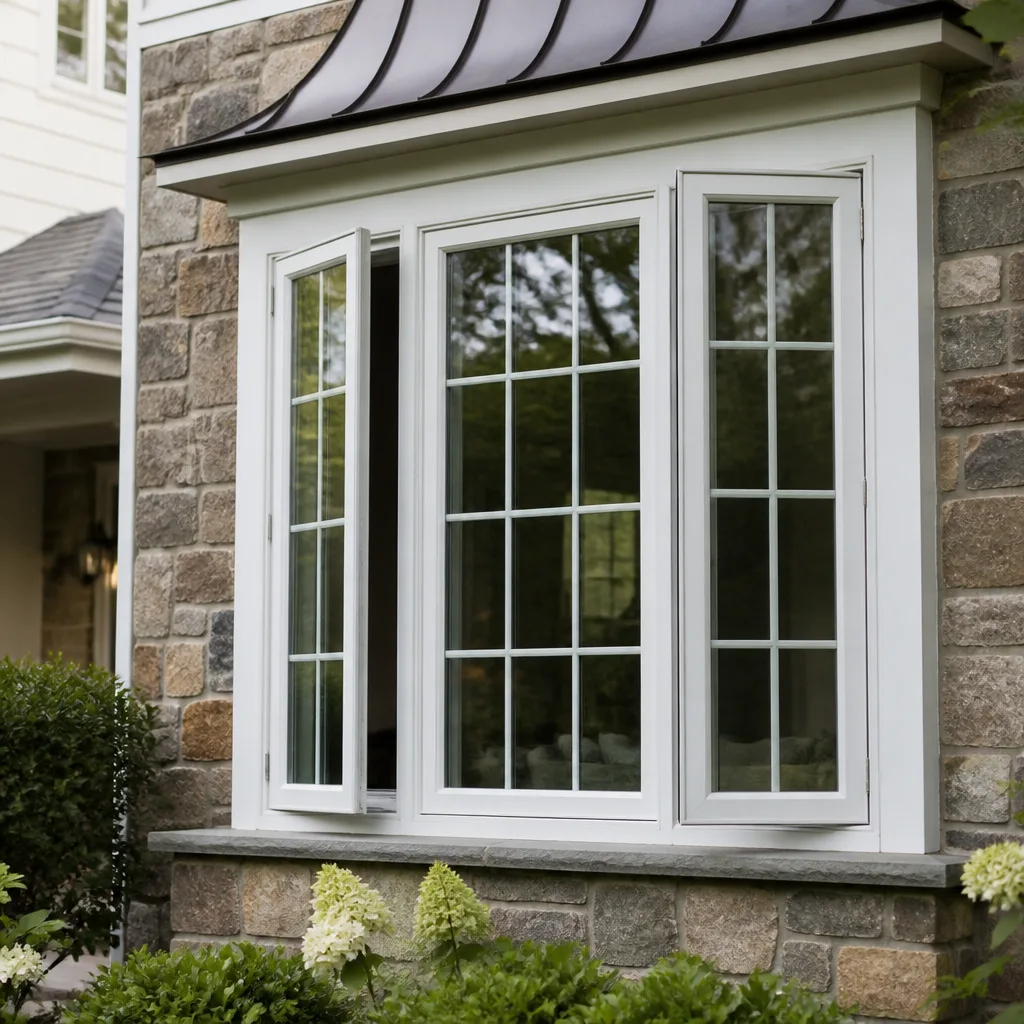 Casement
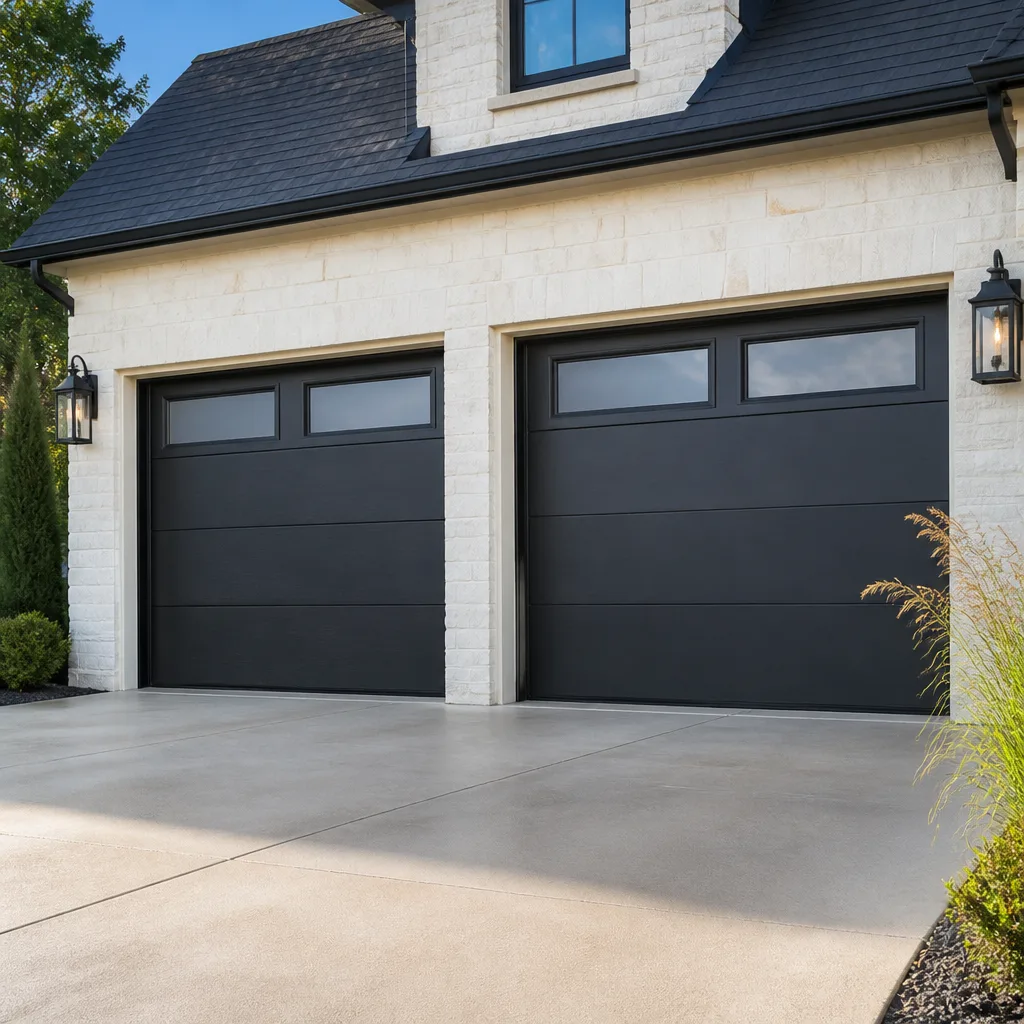 Impact garage doors
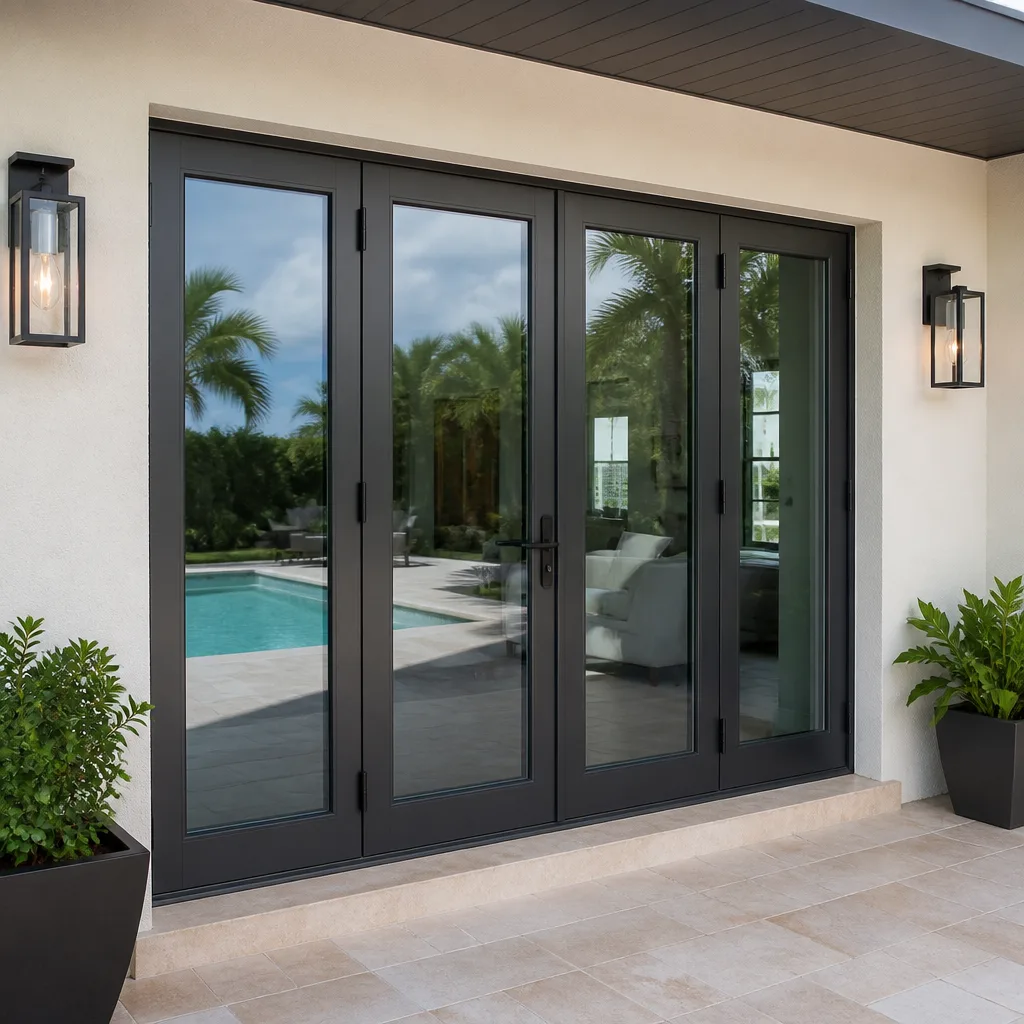 PGT
PGT CGI
CGIFree in-home measure and quote - PGT, CGI and CWS impact lines compared on your actual openings, style by style
Get your free estimateWindows & Doors Warning Signs: A Houston Homeowner’s Reference Guide
If an exterior door that latched perfectly in March is suddenly dragging against the frame in September, the door itself probably hasn’t changed at all. The concrete slab beneath it has shifted. Houston’s clay soil expands during spring rains and contracts hard in late-summer heat, and that movement travels up through the foundation into every window and door opening in the house. The result is a collection of small, specific symptoms that most homeowners write off as the house “settling” or the weather “being weird.” This guide names each warning sign precisely, explains the mechanism behind it, and gives you a decision framework for what’s a weekend adjustment, what needs a professional assessment, and what needs attention right now. For a deeper dive into all your options, see The Complete Guide to Windows & Doors in Houston. If you live in Houston, you have almost certainly seen at least three of these signs this year.
Quick Answer
The most common window and door warning signs for Houston homeowners are condensation trapped between panes of glass, daylight visible at the frame edge, drafts you can feel at the latch, resistance when turning a handle or sliding a sash, and a specific high-pitched whistle when wind pushes against the house. Each sign has a distinct cause: some point to a failed seal, some to foundation movement, some to a frame that has warped or racked from storm winds. Knowing which is which determines whether the fix costs a few hundred dollars or several thousand.
Styles & brands we work with
Table of Contents
- The Sensory Inventory: What You See, Feel, and Hear
- Condensation: Interior Fog vs. Between-Pane Fog
- Foundation Movement vs. Frame Failure: Same Symptoms, Different Fix
- Houston-Specific Warning Signs: Wind Load, Flooding, and Coastal Air
- The Decision Framework: Maintain, Assess, or Act Now
- What Typical Repairs and Replacements Cost in Houston
- Common Mistakes to Avoid
- When to Call a Professional
- Frequently Asked Questions
The Sensory Inventory: What You See, Feel, and Hear
Most window and door failures announce themselves in one of three ways. The trick is that all three happen so gradually that the brain adjusts to them, the way it adjusts to a slow-dripping faucet or a refrigerator that hums a little too loud. You stop noticing until a guest says something or you come home after a week away. Here is the full inventory, organized by sense, with the mechanism each sign points to. In our experience with Houston homes, seeing even two of these in one room usually means the opening needs real work, not just a tube of caulk.
Things You See
- Daylight visible at the edge of a closed window or door. Hold your head at eye level with the frame and look for a bright line where the sash meets the jamb. This means the weatherstripping has compressed past usefulness, the sash has warped, or the frame has pulled away from the rough opening. In Houston’s humidity, that gap is also a direct path for outdoor air to enter and cooled air to escape.
- Fog or haze inside the glass that doesn’t wipe away. This is condensation trapped between two panes of an insulated glass unit. The seal has failed. No amount of wiping, cleaning, or dehumidifying from inside the room will fix it.
- Discoloration, bubbling, or softness at the bottom corners of wood frames or sills. Moisture has been sitting there, and the wood is breaking down. On Houston homes with slab foundations, water from sprinkler heads bouncing off the slab is a common culprit.
- Caulk that has cracked and pulled away from the exterior frame. Houston’s heat cycles cause expansion and contraction that shreds standard painter’s caulk within a few years. When the caulk separates, water gets behind the frame and starts working on the rough opening.
- A visible gap between the bottom of an exterior door and the threshold. Run a piece of paper under the closed door. If it slides through easily, the sweep has failed or the door slab sits out of level.
Things You Feel
- A draft at the latch or handle, not just at the bottom of the door. Air that leaks around the strike plate means the door isn’t compressing the weatherstripping evenly. That’s usually a hinge adjustment or a strike plate relocation, unless the slab itself has warped.
- Resistance when sliding a horizontal window or turning a casement crank. If a sash that moved easily in January fights you in August, the frame has swelled with humidity or the slab has shifted enough to put the opening slightly out of square. Forcing it is how rollers break and crank mechanisms strip.
- A floor-level temperature difference within two feet of a window or door. On a hot afternoon, stand barefoot near the opening. If the floor is noticeably warmer there than elsewhere in the room, the glazing or the frame seal is letting solar gain through more than it should.
- A door that scrapes the threshold only during certain months. In Houston, this is nearly always slab movement from clay soil expansion and contraction, not a door problem. Don’t plane the door down until you know which condition you’re dealing with – we’ll explain below.
Things You Hear
- A high-pitched whistle when wind pushes against the window. That pitch is the sound of air moving through a very small gap at speed. A low whoosh often just means the window isn’t fully latched. A high whistle means the weatherstripping has failed or the sash doesn’t sit square in the frame. The pitch changes as the wind direction changes because different gaps open under different pressure loads.
- A rattle when a heavy truck drives past or when a door elsewhere in the house closes. This means the sash has free play inside the frame. The window isn’t broken, but it isn’t holding its position against vibration, and every rattle cycle slowly works the glazing and hardware looser.
- A popping or cracking sound when a window heats up in direct afternoon sun. This is the vinyl or aluminum frame expanding. Occasional popping is normal. Popping accompanied by a visible gap opening at the corner of the frame is not.
If you’ve noticed several of these and want a professional read without pressure, Window Replacement in Houston is a good place to understand what a proper evaluation looks like. A trained eye can map these symptoms to specific causes in about ten minutes per opening.
Condensation: Interior Fog vs. Between-Pane Fog
The single most misunderstood window symptom we encounter is condensation. Almost every homeowner who calls about “foggy windows” actually has one of two completely different conditions, and the fixes are not interchangeable. Understanding the difference can save you from replacing a window that only needed a bathroom fan upgrade, or from scrubbing a window for years that actually needed a factory-sealed unit replacement.
Condensation on the Interior Glass Surface
This is moisture you can wipe away with your hand. It forms on the room-facing side of the glass when warm, moist indoor air touches a cold glass surface. The glass surface is below the dew point, and water droplets condense there, exactly like a cold glass of tea on a hot Houston afternoon. This is a humidity issue inside your home, not a window failure. Contributing factors include unvented bathrooms, gas appliances without adequate makeup air, large potted plants, aquariums, and tight construction that traps moisture the house generates every day.
You control this one. Reducing indoor humidity with bath fans that actually vent outside (not into the attic), a dehumidifier, or better ventilation typically resolves interior condensation. Replacing the window with a better-insulated glass package can also reduce the condensation by keeping the interior glass surface warmer, but it doesn’t address the source of the humidity. In Houston’s climate, interior condensation is most common during cold snaps in December and January, when the temperature differential is widest.
Condensation Between the Two Panes of Glass
This is moisture you cannot wipe away because it’s inside the sealed air space of the insulated glass unit. It appears as fog, haze, or droplets trapped between the panes. You can press your finger on the glass and see the fog is behind the surface. This is a seal failure. The desiccant material inside the sealed unit has become saturated, and the inert gas (usually argon) that provided the insulative value has escaped. The window still functions structurally, but its thermal performance has dropped significantly, and no cleaning product, defogging service, or dehumidifier will restore it.
The fix for between-pane fog is replacement of the insulated glass unit, sometimes called an IGU. Many manufacturers cover seal failures under warranty, and with brands like ES Windows and ECO Window Systems, the warranty terms are often transferable to a second owner. This is a professional replacement, not a homeowner repair, because removing the old IGU and setting the new one requires specific tools and a clean, debris-free glazing pocket. A window that fogs between panes in the first year is a manufacturing defect. A window that fogs in year twelve has simply reached the end of its seal life, and that’s a normal replacement timeline in a climate as hot and humid as Houston’s.
Quick comparison:
- You can wipe it away: interior humidity issue, homeowner-controlled, fix the ventilation first.
- You cannot wipe it away: IGU seal failure, manufacturer-covered in many cases, requires glass replacement.
Foundation Movement vs. Frame Failure: Same Symptoms, Different Fix
Houston’s soil is a specific kind of problem. The city sits on expansive clay that swells when wet and shrinks when dry. Seasonal cycles produce measurable vertical movement in slab foundations, sometimes enough to rack a door frame or window opening out of square. Foundation movement and window or door frame failure produce nearly identical symptoms: a door that sticks, a window that won’t latch, a gap that opens at the top of a frame. But the correct response to the two conditions is completely different, and treating one as the other wastes money.
The Seasonal Test
The first diagnostic is timing. Foundation movement in Houston is seasonal and cyclic. A door that sticks only in late summer, after a long dry spell, and returns to normal after a soaking rain, is almost certainly following the slab. The door hasn’t changed. The opening’s geometry changed slightly, and the door now rubs where it didn’t before. A door that sticks in all seasons, or one that has progressively gotten worse over two or three years without periodic improvement, points to a frame or slab issue that’s not self-correcting.
The Crack Pattern Test
Walk the exterior of your home and look at the brick veneer or siding. Foundation movement typically announces itself in a stair-step crack pattern that follows the mortar joints in brick, or in diagonal cracks that originate at the corners of windows and doors and widen over time. Frame failure, by contrast, usually shows as a gap between the window frame and the brick or siding, sometimes with the interior drywall crack following the corner of the opening. The crack pattern tells you what’s moving: the structure or the installed unit.
The Level Test
Set a six-foot level across the top of a suspect window or door frame. A frame that’s out of level while the wall above it is level suggests the rough opening wasn’t built square, or the installed unit has racked inside the opening. A frame and wall that are both out of level suggests the foundation itself has moved. Neither condition is a homeowner repair, but they route you to different professionals: a foundation specialist for the slab, or a window and door installer for the opening.
For Houston homeowners, the practical guidance is this: if the stick is seasonal and self-corrects with rain, record it and watch it. If it’s persistent and worsening, have the opening assessed. A professional evaluation can determine whether the proper fix is shimming and reseating the existing unit, or whether the movement is structural. You can learn more about how a proper installation addresses out-of-square openings at Window Installation in Houston.
Houston-Specific Warning Signs: Wind Load, Flooding, and Coastal Air
Houston’s climate imposes demands on windows and doors that homeowners in Dallas or San Antonio don’t face. Three specific categories of damage show up here more than anywhere else in Texas: frame racking from hurricane-force wind loads, sill and jamb rot from standing water, and hardware corrosion from salt-heavy coastal air. Each has a distinct warning sign pattern.
Frame Racking from Wind Load
When a hurricane or strong tropical storm pushes sustained wind against the face of a house, the pressure cycles through the entire wall assembly. Frames that weren’t installed with proper flashing and adequate fastening can rack slightly, meaning the corners pull out of square by a few millimeters. After the storm, the racking shows up as a window that’s suddenly hard to latch, a door that meets the strike plate at a slight angle, or a hairline crack that appears at the drywall corner above an opening. In severe cases, the glazing bead separates from the sash. Racked frames don’t self-heal. They need to be reset and, in many Houston homes built before the current wind-load code provisions, replaced with units rated for the actual exposure. Products from CGI and CWS are engineered specifically for high-wind coastal zones and carry equivalent ratings that matter in Houston’s storm history.
Sill Rot from Standing Water
After a flood event, water that entered the home recedes, but water that wicked into wood sills and jambs can stay for weeks. Houston’s heat then accelerates fungal growth. The warning sign is sills that feel soft when pressed with a screwdriver tip, paint that blisters at the bottom six inches of a wood frame, or a musty odor that persists in the room even after drying. Wood sills on slab foundations are especially vulnerable because there’s no crawlspace ventilation to help them dry. Once rot sets in, the sill loses its structural bearing, and the entire unit may need to be pulled and the rough opening repaired.
Hardware Corrosion from Coastal Air
Homes within a few miles of Galveston Bay or the Gulf receive salt spray that accelerates corrosion on exposed metal hardware. The warning signs are pitting or white oxidation on aluminum hardware, dull or discolored brass hinges, and latch mechanisms that feel gritty even after lubrication. Over time, corroded hardware loses its mechanical integrity: strike plates break, casement cranks strip, and multi-point locking mechanisms seize. In salt-air zones, hardware selection matters as much as glass selection. Stainless steel hardware and corrosion-resistant coatings are standard on better coastal products, and that’s a specification worth asking about when you choose Door Installation in Houston for a home in the bay area.
The Decision Framework: Maintain, Assess, or Act Now
Most warning signs fall into one of three response categories. The framework below is how we walk homeowners through their own homes, and it’s designed to be used room-by-room with a notepad or phone camera.
Category 1: Homeowner-Maintainable Today
These signs are cosmetic or caused by parts designed to wear out and be replaced.
- Interior condensation you can wipe away. Fix the humidity source: vent the bath fan, add a dehumidifier, check that dryer and kitchen exhausts actually terminate outside.
- Worn or compressed weatherstripping. Pull the old strip, clean the channel, press in the replacement. This is a $10-per-opening fix and a good Saturday morning project.
- A door sweep that’s cracked or dragging. Unscrew the old sweep, slide the new one over the bottom of the slab. If the slab has to be cut to fit, that’s a professional job.
- Squeaky or stiff hinges. A few drops of a dry lubricant on the hinge pins usually restores smooth operation. If the hinge is bent or loose, see Category 2.
- Dirty or obstructed window tracks. Vacuum out debris, then wipe the tracks with a dry cloth. Avoid greasy lubricants, which attract Houston’s fine dust and turn into paste.
Category 2: Professional Assessment Within 30 Days
These signs indicate a component is failing, and ignoring them for a full Houston summer will make the repair more expensive.
- Seasonal sticking that worsens each year. You need to know what’s moving before you trim anything.
- Visible daylight at the frame edge that appears in more than one season. The opening likely needs re-shimming or the frame reset.
- Between-pane fog in one or two windows. The IGU is failing. Warranty replacement is easier to claim sooner than later.
- Softness detected at a bottom sill corner during a screwdriver probe. Rot is active. It will continue to spread even if you repaint over it.
- A high-pitched wind whistle that occurs on multiple sides of the house. That’s not one bad strip of weatherstripping; that’s a systematic fitment issue.
- Rattle or vibration in more than two sashes when doors elsewhere close. The glazing and hardware are moving in the frame, and glass breakage becomes a risk.
Category 3: Immediate Contact
These are the signs that mean active failure is in progress.
- A door that no longer latches at all. This is both a security issue and an air-sealing failure. In a Houston storm, an unlatched door is a missile hazard.
- A crack in the glass that grows in length over a few days. Thermal cycling and wind pressure are working the crack. It will fail.
- Water that enters the home through a closed, locked window during rain. The flashing or the frame seal has failed, and every storm is putting water into the wall cavity.
- A window that drops suddenly when opened, or a sash that’s loose enough to move by hand. The balance system has failed. A falling sash can injure a child or pet.
- Hardware that’s visibly broken: a snapped casement crank, a bent strike plate, a multi-point lock that won’t throw. These are the easiest things to fix early and the most dangerous to let go.
One note on the Lightwell Windows Houston home approach to these categories: we’d rather do ten small repairs well than one large replacement badly. The framework exists to prevent a $400 fix from becoming a $4,000 replacement because nobody looked at it for three years.
What Typical Repairs and Replacements Cost in Houston
Pricing for window and door work in Houston follows a few predictable patterns. Understanding the ranges before you call lets you evaluate a quote with confidence and recognize when a number is out of line. These are honest ranges for the Houston market based on current materials and labor rates, not national averages.
Repair-Level Pricing
- Weatherstripping replacement, per opening: $40 – $120 for materials if you do it yourself as a homeowner; $150 – $300 with professional labor including removal and cleanup.
- Door sweep replacement: $20 – $60 for the part; $100 – $200 installed by a handyman or door technician.
- Hinge adjustment or strike plate work: $100 – $250 for a door that’s dragging or not latching, assuming the slab itself is sound.
- Standard balance replacement on a double-hung window: $120 – $250 per window depending on the balance type and whether the sash must be removed to access it.
- Seal repair around an exterior frame (caulk and minor flashing): $150 – $400 per opening depending on access, height, and product type.
Replacement-Level Pricing
- Insulated glass unit (IGU) replacement without full window replacement: $250 – $600 per sash for standard sizes, more for tempered, tinted, or oddly-sized glass. This is often the right fix for between-pane fog when the frame and hardware are still sound.
- Full vinyl window replacement, per opening: $500 – $1,200 installed for standard double-hung or picture windows. Most Houston replacements on a typical three-bedroom home run between $600 and $900 per window.
- Storm-rated or impact window replacement, per opening: $800 – $2,200 depending on product rating, frame material, and installation complexity. Homes in coastal or bay-proximate Houston neighborhoods with wind exposure often need this tier, and brands like CWS and ES Windows represent the upper quality range.
- Full exterior door replacement including slab, frame, and hardware: $1,200 – $4,500 depending on door style, material, glass package, and whether the rough opening needs repair.
For exact numbers on your home, a written estimate is the only number that counts. Lightwell Windows Houston writes every price down before any work starts, so you know the full amount at the quote stage, not after the crew has already removed your old window.
Common Mistakes to Avoid
- Planing down a sticking door without checking for foundation movement. If the slab is doing the moving, planing the door is a temporary fix that damages a perfectly good slab. Next spring, when the soil swells again, the door will swing freely but leave a gap at the top.
- Replacing a window to fix interior condensation. A new window with better glass will reduce the condensation, but if the house still holds 65% relative humidity in a cold snap, the moisture will find the next-coldest surface. Fix the ventilation before you replace the window.
- Using spray foam to seal a gap around a window without addressing the flashing. Foam seals air but not water. If the flashing is failing, the water will keep entering the wall cavity, and now the foam will hold it against the framing even longer.
- Ignoring between-pane fog because the window “still works.” The seal failure is only going to spread to more of the perimeter, and the thermal loss gets worse every year. In Houston’s cooling season, that’s an ongoing utility bill penalty.
- Oiling a sliding window track with household lubricant. Greasy lubricants attract Houston’s fine dust and pollen, creating a gritty paste that chews up the track and the rollers. Dry cleaning is right for most sliding windows.
- Trimming a door to fix a seasonal stick without recording which months it sticks. You lose the diagnostic data. Write down the months, the weather conditions, and which corner of the door rubs. That record is worth more than any trim.
- Prolonging a warranty claim because the window is “not that bad.” Manufacturers have time limits. A IGU that shows early seal failure in year two will be a full replacement decades sooner than you’d otherwise do the work, but only if you claim it while the warranty is active.
When to Call a Professional
Call a window and door professional when you have between-pane fog in more than one window, a door that won’t latch regardless of hinge adjustments, a window that drops or won’t stay open, active water entry during rain, or soft wood anywhere on a sill or jamb. These are not homeowner repairs, and the longer they wait, the more they cost. Lightwell Windows Houston offers free estimates in Houston. We walk the home with you, name what we’re seeing, and write down a price before any work starts. Call (254) 401-4583 and a person answers, any hour, day or night.
Frequently Asked Questions
Repair is usually sufficient when the frame is square, the glass is intact, and the problem is a worn part: weatherstripping, a balance, a hinge, or a latch. Replacement is warranted when the frame is racked, the glass seal has failed, rot has set into the sill, or the unit no longer meets Houston’s wind-load requirements. A professional assessment can tell you which category your opening falls into. If you want a free assessment, call (254) 401-4583.
That’s the classic Houston clay soil signature. Summer heat dries the soil, the slab contracts slightly, and openings shift just enough that a door or window that fit in the wetter months now binds. Record when it happens and when it eases. If it self-corrects after rain, it’s a slab issue to monitor, not a door to cut.
It means the insulated glass unit’s seal has failed and the trapped desiccant has saturated. The fog is inside the sealed air space, so you cannot wipe it away. The fix is IGU replacement, which is a professional job that’s often covered by manufacturer warranty if the window is still within the warranty period.
Most standard vinyl window replacements in Houston run between $500 and $1,200 per opening installed. Storm-rated or impact windows run more, typically $800 to $2,200 per opening. The only honest way to know your actual number is a written estimate based on your home’s specific sizes and conditions. Lightwell provides a written price before any work starts, no exceptions.
No, and this is one of the most common misdiagnoses. A draft at the latch usually means the door isn’t compressing the weatherstripping evenly, which can come from a hinge issue, a strike plate misalignment, or a slab that’s settled. A draft at the entire perimeter usually means the weatherstripping itself has failed. The fix depends on which condition you actually have.
Yes, especially since Hurricane Harvey and the more recent storm cycles. Wind-load requirements in Houston’s coastal zones make impact-rated glass and reinforced frames worth considering for homes within about 20 miles of the coast. Products from manufacturers like CGI, CWS, and ES Windows are engineered for those wind pressures, and the structural difference is real. If your home is in a wind-exposed area, it’s worth calling (254) 401-4583 to ask what your current windows are actually rated for.
The Bottom Line
Houston windows and doors fail in predictable ways, and the warning signs are usually sensory, specific, and easy to misread. Condensation you can wipe away is a humidity problem you control. Condensation trapped between panes is a seal failure the manufacturer covers. A door that sticks seasonally is following your slab’s movement, not a defect in the wood. A high-pitched whistle on a windy day is air moving through a gap that’s already cost you money. The framework in this guide is meant to turn those small sensations into decisions: fix it this weekend, book an assessment this month, or make the call now. For more guides & resources on Houston window and door care, visit our blog. Most jobs don’t need to be emergencies. The ones that do, you’ll recognize. And the ones in the middle, well, a free estimate costs you nothing but an hour of your time.
Written by Keith Yamada, Owner at Lightwell Windows Houston, serving Houston since 2010.
See the difference
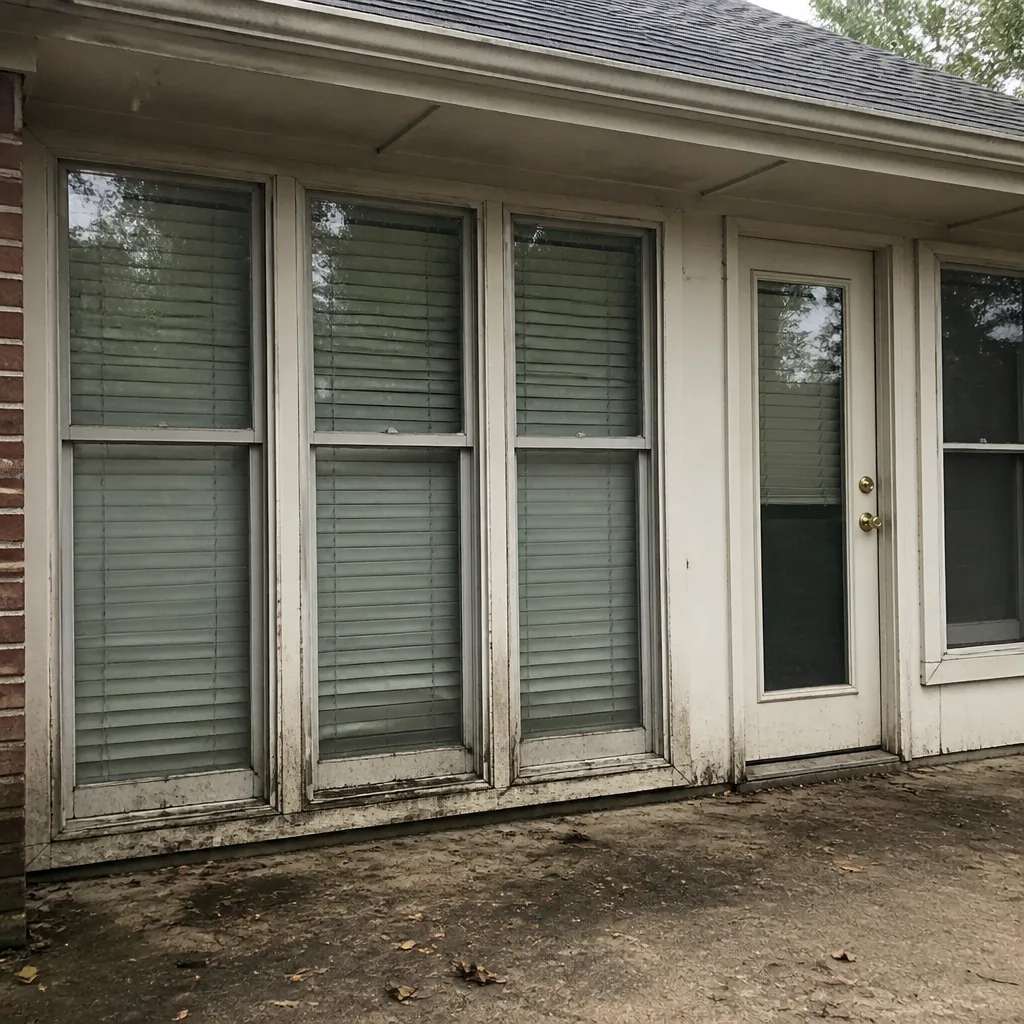 Before
 After
After Before
 After
After Before
 After
AfterSix Reasons Homeowners Choose Lightwell Windows Houston
Laminated glass and reinforced frames hold up to wind-driven rain, hail and flying debris, so your openings stay sealed when the weather turns.
Low-E insulated impact glass from our manufacturer lines commonly cuts monthly cooling bills 20-30%.
Laminated impact glass shuts out up to 40% of outside noise - traffic, neighbors, weather.
Monitoring services run $30-90 a month. Laminated impact glass resists forced entry around the clock, with no subscription.
Tighter seals and insulated glass even out hot and cold rooms and stop the drafts at the frame.
A full impact package upgrades curb appeal, buyer confidence and appraised value in one project.