
Last updated October 17, 2026
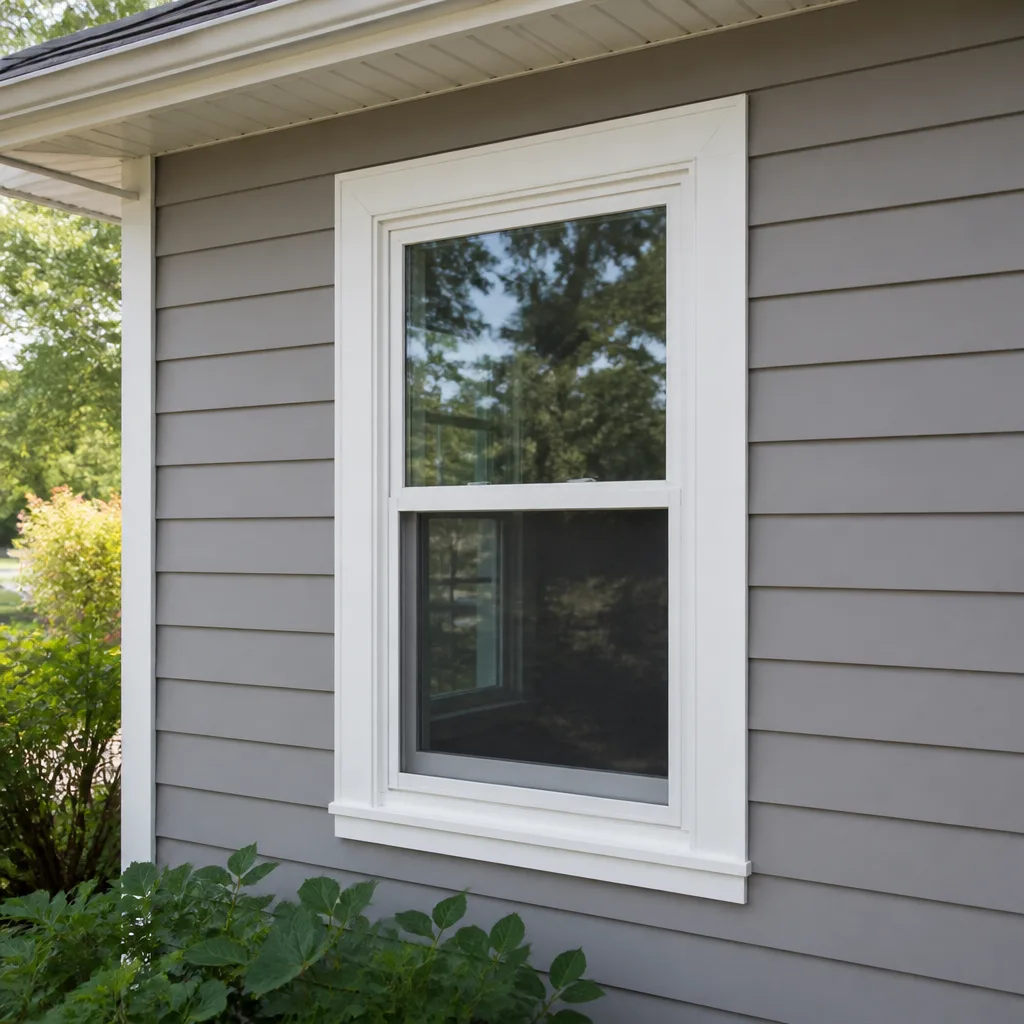 Single hung
 Double hung
 Horizontal roller
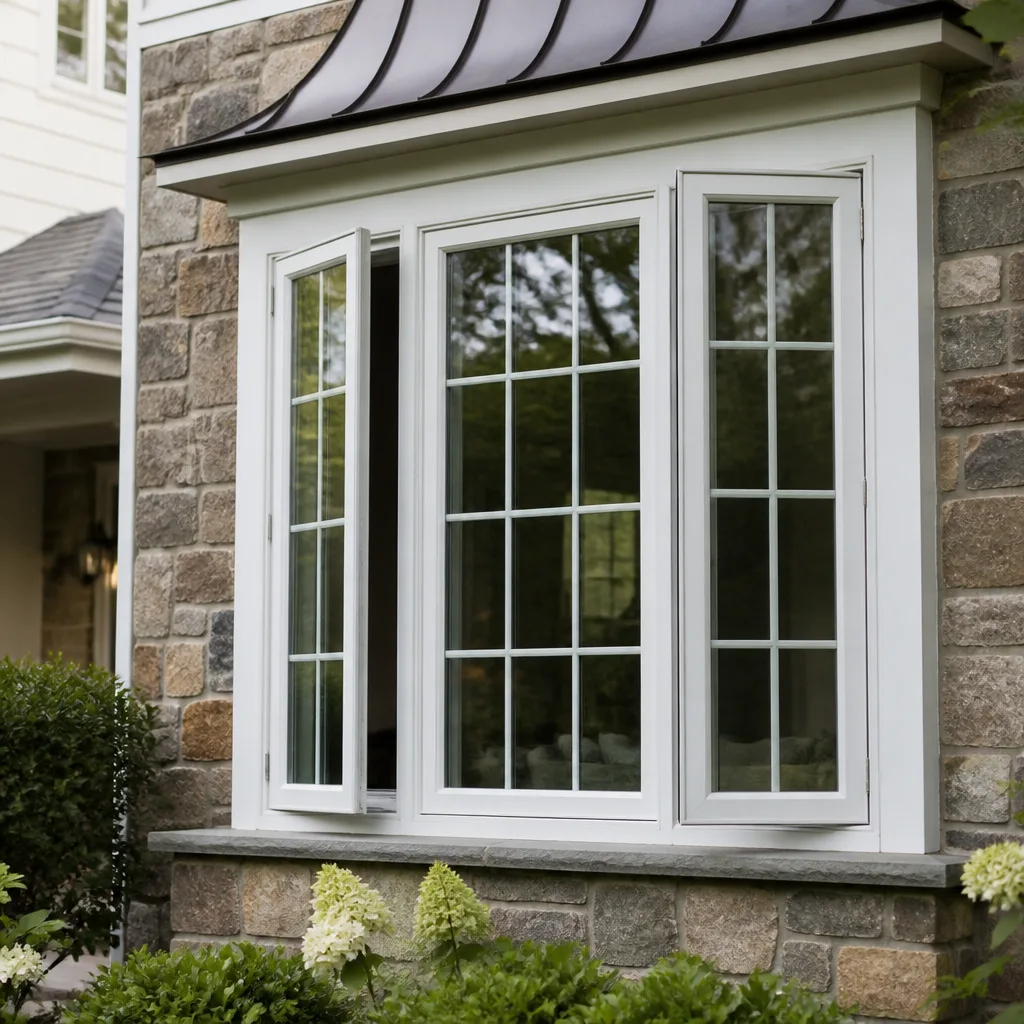 Casement
 Sliding glass doors
 Impact garage doors
 PGT
PGT CGI
CGIFree in-home measure and quote - PGT, CGI and CWS impact lines compared on your actual openings, style by style
Get your free estimateWindow Replacement Maintenance Checklist for Houston Homeowners
Here’s a counterintuitive fact about window failure in Houston: the call usually has nothing to do with glass. It’s a weep hole clogged with pollen, paint, or construction debris, quietly holding water against the frame until the sill rots or the interior drywall stains. We’ve walked into homes in Bellaire and Meyerland where the window itself was still perfectly sound, but the drainage system had been blocked for months without anyone noticing. This guide teaches you to read your windows the way a careful neighbor would: one that knows which month brings driving rain, which week brings the worst humidity, and where to put your fingers to feel for trouble before it spreads. By the end, you’ll have a month-by-month rhythm for Houston’s actual weather, not a generic spring-and-fall checklist written for Ohio.
Styles & brands we work with
Quick Answer
Window maintenance in Houston works best as a seasonal rhythm. Run a full drainage and seal inspection in May before the rainy season peaks, check weatherstripping and humidity-related condensation in August, and walk every window after named storms from June through November. Each pass takes under ten minutes per window once you know what to feel for. Most expensive window problems in Houston start as five-dollar maintenance tasks that got skipped.
Table of Contents
- Why Houston Needs a Different Maintenance Rhythm
- What to Inspect on Vinyl, Aluminum, Wood, and Fiberglass Frames
- The Month-by-Month Houston Maintenance Calendar
- The Five-Minute Weep Hole and Drainage Inspection
- Reading Your Seals and Weatherstripping in Houston Humidity
- Contractor-Grade vs. Builder-Grade Hardware: Why Maintenance Burden Differs
- When Maintenance Becomes a Warranty Matter
- Common Mistakes to Avoid
- When to Call a Professional
- Frequently Asked Questions
- The Bottom Line
Why Houston Needs a Different Maintenance Rhythm
Houston gets roughly fifty inches of rain a year, but it doesn’t arrive evenly. May and June deliver the spring deluges. August brings a different problem: relentless humidity with high UV that bakes sealant until it stiffens and pulls away from glass. September through November is peak hurricane season, where a single named storm can drive wind-blown rain horizontally against your window frames for hours. A window that handled April fine can fail in October because the storm found a hairline gap that the spring weather never tested.
Annual checklists miss this. A single October walkthrough catches storm damage but ignores the slow seal degradation that happens every August. A simple spring tune-up leaves you blind to the drainage clogs that build up after oak pollen season in March and April. Our local climate requires the window replacement in Houston conversation to account for these cycles. We tell homeowners the same thing: your windows sit in the most moisture-aggressive big-city climate in Texas, so treat maintenance as a rhythm, not an event.
What to Inspect on Vinyl, Aluminum, Wood, and Fiberglass Frames
Different frame materials fail in different ways, and Houston’s climate accelerates each one distinctly. Here’s what to look for by material.
Vinyl Frames
Vinyl expands and contracts significantly with temperature swings. Houston’s hot afternoons followed by air-conditioned interiors create a constant expansion-contraction cycle that can loosen corner welds over time. Check the corners where the vertical and horizontal frame pieces meet. Look for hairline gaps that widen when the sun hits the frame directly. Also inspect the vinyl’s surface for a chalky, faded appearance. This isn’t cosmetic; UV degradation makes the material brittle and more likely to crack at fastener points.
Aluminum Frames
Aluminum conducts heat, which means the frame itself gets very hot on Houston summer afternoons. The maintenance concern is condensation. When cold AC air meets the hot aluminum interior surface, moisture forms on the frame. That water runs down and collects at the sill. If the weep holes are clogged, the water sits there and accelerates corrosion. Check for white powdery residue around screw heads and corners. That’s the beginning of aluminum oxidation, and it spreads faster when drainage is poor.
Wood Frames
Wood and Houston humidity are natural enemies. The critical inspection point is the lower rail of the sash, where water collects if the exterior paint or sealant has a breach. Probe gently with a flathead screwdriver or even a fingernail. Soft wood means rot has begun. Paint that’s bubbling or peeling on the exterior side of the lower rail is a warning sign: moisture is trapped underneath and working on the wood fibers. Also inspect the joint where the wood meets the glass. Old glazing putty or sealant that has cracked lets water run directly into the sash channel.
Fiberglass Frames
Fiberglass is the most dimensionally stable of the four, but it’s not maintenance-free. The weak point is the seal where the frame meets the rough opening. As the house settles and Houston’s clay soil shifts through wet-dry cycles, the caulk joint around the exterior perimeter of the frame can tear. A fiberglass frame won’t rot, but a broken perimeter seal lets water get behind the frame into the wall cavity, where the studs will.
The right maintenance depends on the material, which is why we carry products from manufacturers like PGT, CGI, and CWS. Different homes in Houston need different frames: a vinyl window near the coast faces different stress than a wood window in a Heights bungalow. The inspection points above work regardless of what’s installed.
The Month-by-Month Houston Maintenance Calendar
This calendar maps window care to specific weather patterns Houston actually experiences. Each task takes under an hour for the whole house.
January – February: Interior Hardware and Locks
Cooler months are for the inside. Open every window partway and close it again, listening for grinding or resistance that suggests the balance mechanism is wearing. Check every lock and latch for smooth engagement. Lubricate moving parts with a dry silicone spray, not WD-40, which attracts dust and gums up over time. This is also the right time to check that each window’s night ventilation locks work, the ones that let you leave a window open two inches without the security risk.
March – April: Post-Pollen Drainage Clear
Oak pollen season in Houston is notorious. It doesn’t just coat your car; it collects in window tracks and weeps. By mid-April, run a toothpick or a can of compressed air through every weep hole you can find. Wipe out the tracks with a damp cloth. Check the exterior screens for pollen caked into the mesh; it blocks airflow and makes your window perform worse all summer. A screen brush dipped in mild soapy water handles it.
May: Pre-Storm Seal Sweep
May is the single most important maintenance month in Houston. It’s your last clean window of weather before the rain pattern locks in. Look at the exterior caulk around every window. In our experience, we’ve seen sealant fail in the same places repeatedly: the top corners where the frame meets the brick or siding, and the joint between the sill and the vertical trim. Press gently on every bead. If it’s stiff, cracked, or pulls away from the surface, it’s time to recaulk. Pay attention to window wells and below-grade windows, which collect runoff before the ground dries out.
June – July: Storm Cycle Inspections
Once the storms start, inspect after every heavy weather event. You’re looking for signs that water found a path. Inside, run your fingers along the drywall beneath each window, checking for dampness or softness. Look for water stains on the window stool, the flat horizontal piece inside. Outside, check that weep holes are still draining. After a hard rain, lean down and look at them: if water beads or pools inside the track instead of draining away, something is blocking the channel.
August: Humidity and Weatherstripping Check
August is Houston’s humidity peak, and it’s the month when weatherstripping gets tested daily. Close each window and run your hand around the entire perimeter, feeling for air movement. Better: use a dollar bill. Close the window on it and try to pull it out. If it slides through easily, the weatherstripping has compressed and needs replacement. Heavy condensation between panes is also most visible now. If the inside of a double-pane unit fogs and it doesn’t wipe off, the seal between the glass panes has failed. That’s a Window Replacement situation, not a maintenance fix.
September – October: Post-Summer Recovery and Pre-Hurricane Audit
After the August heat has done its damage, do a full hardware and track inspection. The expansion and contraction of a long Houston summer can loosen screws in hinges and sliding tracks. Tighten everything. Then, before the heart of hurricane season, repeat the May pre-storm seal sweep. This is double coverage for the months when a named storm is most likely to test your windows. Houston homes that survive hurricane winds without water intrusion usually have two things: intact perimeter seals and clear weep paths.
November – December: End-of-Year Wipe Down and Assessment
Clean the tracks thoroughly before the holidays come. Remove debris with a vacuum crevice tool, then wipe with a damp cloth. Check the exterior for any new caulk failures from the storm season. Note any window that consistently fogged, stuck, or leaked during the year and decide if it’s time to plan a replacement project for the spring. For budgeting help, see our Windows & Doors Cost Breakdown: The Houston Homeowner’s Reference for 2026. This is also the easiest time to test how well each window tightens against its seal: the temperature difference between inside and outside makes drafting easiest to feel.
The Five-Minute Weep Hole and Drainage Inspection
Weep holes are tiny openings at the bottom of the exterior frame, designed to let water drain out of the window track. The single most common cause of water intrusion in Houston windows after a storm is a weep hole clogged with debris, and clearing it takes about thirty seconds with a toothpick. Most homeowners have never looked for one.
Here’s the full five-minute inspection we recommend after every named storm, and once a month during peak season:
- Locate the weep holes. Look at the bottom exterior edge of the window frame. You should see small slots or round holes at regular intervals. On sliding windows, check the outside track too.
- Clear debris. Use a toothpick, a pipe cleaner, or a small piece of wire to gently scrape out anything lodged inside. Don’t push debris further in; work it outward.
- Pour a small amount of water. Take a cup with a few ounces of water and pour it slowly into the exterior track. Watch the weep holes. If water drains out, the drainage path is clear. If it pools inside the track, the channels are still blocked.
- Check the interior track. The interior track should be dry. If water collects there, you likely have a different problem: a seal failure higher up in the window allowing water to enter inside the frame.
- Check the drainage angle. Look at the exterior sill. The sill should slope slightly away from the house. If it’s dead flat or slopes inward, water pools against the frame instead of running off. That’s a pitch problem a professional should address.
- Repeat on windows that face the storm. Wind-driven rain hits certain elevations harder. Windows on the east and south sides of Houston homes, where most storms approach from the Gulf, often accumulate debris faster than north-facing windows.
If you’re not sure you found every weep hole on a particular window, look at the frame manufacturer’s documentation. As a window installation in Houston provider, we walk every homeowner through this drainage check during the final walkthrough of an install. It’s easier to demonstrate in person than to read about, but the steps above cover it.
Reading Your Seals and Weatherstripping in Houston Humidity
Houston humidity doesn’t just make you uncomfortable; it accelerates seal failure. Sealant compounds dry out, crack, and lose adhesion faster in a hot-humid climate than in a dry one. Weatherstripping compresses with use, and once it no longer springs back, you’re paying to air-condition the outdoors.
Here’s how to read the two types of seals that matter most.
Exterior Perimeter Seals (Caulk)
This is the flexible bead around the outside of the window where the frame meets the wall. On brick veneer, the sealant bridges the gap between the window frame and the brick. On siding, it seats against the siding material. Run your finger along every bead. Signs of failure include: hardening that makes the bead rigid; cracks running along the bead; separation where the bead pulls away from one surface; gaps at the corners where two beads meet. Any one of these means the window’s first line of defense against wind-driven rain is compromised. Recaulking is a straightforward job for a homeowner who’s comfortable on a ladder, or a technician can do it during a service visit.
Interior Weatherstripping (Compressible Gaskets)
Weatherstripping is the flexible material that creates an air seal when the window is closed. On double-hung and sliding windows, it lines the sash channels and the meeting rails. On casement windows, it seats around the operable panel’s perimeter. Test it with a closed window and a dollar bill as described in the calendar section. But also look at the material itself. Weatherstripping in Houston starts to break down after five to eight years, faster if it’s exposed to direct sun inside a west-facing track. If the material is flattened, cracked, brittle, or no longer springs back when you depress it, replace it. Most manufacturers sell replacement weatherstripping kits, and the job takes an afternoon for a typical Houston house.
A failed seal between the glass panes is different. If you see condensation fog between the two layers of a double-pane unit that doesn’t wipe off from either side, the hermetic seal has failed inside the insulated glass unit. That’s not a maintenance item; it’s a glass replacement. The unit has lost its insulating gas and its performance is permanently degraded. Some products, including those from manufacturers we carry from our range of eight brands, offer seal warranties that cover this failure.
Contractor-Grade vs. Builder-Grade Hardware: Why Maintenance Burden Differs
Every window has the same basic anatomy: frame, glass, hardware, seals. What differs is the quality of each component and how much maintenance it demands. If the previous owner installed builder-grade windows during initial construction, the maintenance burden will land on you sooner and more often. Here’s what contractor-grade hardware changes.
Balances and springs. Contractor-grade windows use heavier-duty balance systems rated for more cycles. A builder-grade window’s balance might wear out after 8,000 to 10,000 open-close cycles. A contractor-grade window is engineered for two to three times that. The practical difference: a window in a busy kitchen might cycle thirty times a day. Builder-grade balances last about eighteen months at that rate before the sash gets hard to lift or drops suddenly. Contractor-grade balances run for years.
Weatherstripping material. Higher-grade weatherstripping uses materials engineered to resist compression set. Builder-grade weatherstripping compresses and stays compressed after the first year or two. The result is drafts and higher AC bills in Houston summers. Quality matters here because the material sits under constant pressure when the window is closed.
Finish durability. Contractor-grade hardware plating is thicker and resists corrosion better. Houston’s humidity plus salt air near Galveston Bay accelerates corrosion on cheap hardware. Higher-quality window products, including the ES Windows and CWS lines we install, use hardware that stands up to coastal-influenced humidity better than entry-level products.
Weep system design. Some builder-grade windows have a simple slot. Better windows have baffled weep systems that allow water to drain while blocking wind pressure from driving water back in. During a Houston hurricane, that’s the difference between a wet sill and a wet carpet. If your windows are older and have simple slot weeps, be extra diligent about keeping them clear and consider replacing them before they fail when it matters most. Check our Windows & Doors Permits, Codes & Inspections in TX: What You Need to Know before starting any replacement work.
The maintenance checklist doesn’t change based on window grade; the frequency does. Higher-quality products stretch the maintenance intervals. A builder-grade window in a Houston home may need weatherstripping replacement every three years. A contractor-grade window from the PGT or CGI lines may go seven to ten. We tell every homeowner the same thing: the best maintenance program starts with products that don’t need as much of it. Our Lightwell Windows Houston home shows the product range we carry for Houston’s climate.
When Maintenance Becomes a Warranty Matter
There’s a line between maintenance and warranty, and knowing where it sits saves you money. Under the Cedarwell Care Promise, any product installed by Lightwell Windows Houston carries specific protections. Here’s how to know when a problem you find during maintenance is actually a covered claim.
Warranty-work signals:
- A sealed glass unit that fogs between the panes, where the condensation won’t wipe off.
- A frame that warps or twists so the window won’t close or lock properly.
- Hardware that fails during normal operation, not from impact or neglect.
- Vinyl that cracks at a corner weld without any visible impact.
- A balance mechanism that lets the sash drop suddenly when you try to open it.
Maintenance signals (not warranty):
- Caulk that has dried and cracked around the exterior.
- Weatherstripping that has compressed over years of use.
- Pollen and debris in the tracks.
- Clogged weep holes.
- Surface oxidation on aluminum that’s been exposed to standing water from clogged weeps.
If you’re unsure, document what you see. Take photos of the failure. Note when you first noticed it. Then call the company that installed the windows. If the windows came with the house and you don’t know who installed them, check the frame for a manufacturer’s label. The label is usually on the top of the sash or on the spacer bar between the glass panes. It has the manufacturer’s name, the product series, and sometimes the date of manufacture. That information tells you whether the manufacturer’s warranty still applies.
The 365-Day Done Right Promise covers workmanship: if the finished window or door installation isn’t right, Lightwell makes it right without debate. That’s separate from the manufacturer’s product warranty, which covers defects in the window itself. We help Houston homeowners sort out which one applies because that’s part of the accountability we owe our neighbors.
Common Mistakes to Avoid
- Checking weep holes only when you see water inside. By the time water shows up on the interior drywall or stains the stool, the frame may have been holding water for weeks. Weep hole checks are preventive and should be monthly during storm season, not reactive. In Houston neighborhoods like West University and Spring Branch, we’ve seen ten-year-old windows with dry rot starting in the frame because the weep was clogged the whole time.
- Using a pressure washer to clean exterior window frames. A pressure washer’s high-pressure spray can force water past surface seals and directly into the wall cavity around the window. It also blasts debris into weep holes instead of clearing them. A garden hose on a low setting or a soft brush and bucket are all Houston window exteriors need.
- Ignoring a window that’s slightly hard to open. A window that gets progressively harder to operate isn’t being stubborn. The balance or hinge is wearing, and every cycle adds stress. Lubricate and inspect hardware early. If left alone, the mechanism can eventually break mid-operation and drop a heavy sash on fingers. This is also a safety issue, especially for Houston families with kids.
- Replacing weatherstripping without cleaning the track first. New weatherstripping installed over grit and grime won’t seat properly and will wear out prematurely. Vacuum the track, wipe it down with a damp cloth, let it dry, and then install the replacement. The cleaner the surface, the longer the new strip lasts.
- Painting over weep holes. When Houston homeowners paint window frames during a renovation, the painter often caulks or paints directly over the weep holes because the painter doesn’t know what they’re for. Never paint, caulk, or cover weep holes. A window that can’t drain will hold water against the frame and the surrounding structure until something rots.
- Assuming fogged glass is normal Houston humidity. Condensation on the inside of a window on a hot day is normal: the cold AC air is meeting the warm humid outside air and the moisture collects on the interior glass. Condensation between the two panes of a double-pane unit is not normal. It means the seal on the insulated glass unit has failed. In Houston’s climate, a failed seal also means the window is a source of solar heat gain, because the inert gas that provided insulation has leaked out.
- Deferring pre-storm maintenance until a storm is forecast. Houston’s strongest storms can develop quickly, and the last thing you want is to be on a ladder checking caulk when the first bands are already arriving. The pre-storm seal sweep in May, and again in September, is designed to get ahead of the weather. By hurricane season, the work is done.
When to Call a Professional
Some maintenance findings are a signal to stop and call. If you discover a window that won’t close or lock at all, a gap between the frame and the wall that’s wider than a quarter inch, or soft wood anywhere on the frame, the problem has moved beyond routine care. A window that falls shut under its own weight, double-pane fogging that persists, or water stains on interior drywall after rain all indicate a structural or seal failure that needs diagnosis. If you’re in Houston and unsure whether what you’ve found is a maintenance issue or a replacement situation, call Lightwell Windows Houston for a free estimate. We’ll walk the windows with you, explain what we’re seeing, and give you a written price for whatever the solution is. Phone: (254) 401-4583.
Frequently Asked Questions
Run a full drainage and seal inspection twice a year: once in May before the spring rain pattern locks in, and once in September before hurricane season peaks. During storm season from June through November, check weep holes and interior drywall after every named storm. In Houston, twice-yearly deep inspections plus storm-triggered checks catches problems before they become structural.
DIY maintenance like cleaning tracks, clearing weep holes, and lubricating hardware costs under $30 in supplies for a typical three-bedroom Houston home. Recaulking a full window perimeter runs $150 to $400 if you do it yourself with quality sealant. If you prefer a technician, most Houston window companies charge $150 to $350 for a service visit covering weatherstripping replacement, track cleaning, and hardware lubrication on multiple windows. A full weatherstripping kit replacement for one window typically costs $25 to $60 in materials.
A failed seal shows up as fog or condensation between the two panes of a double-pane insulated glass unit that doesn’t wipe off from either side. You might also see a white film or a slight haze inside the glass. In Houston’s humid climate, you may notice the condensation is worse on humid mornings and clears slightly on dry afternoons. The condensation is trapped inside the sealed unit and indicates the insulating gas has escaped. This is a replacement situation for the glass unit, not a repairable maintenance item.
Yes. Use a toothpick, pipe cleaner, or thin wire to gently scrape debris from the weep hole, working from outside inward but then pulling material back out. Follow by pouring a few ounces of water into the track and confirming it drains. This is a safe five-minute DIY task that anyone can do. No special tools or training are required.
Builder-grade vinyl windows in Houston typically last 15 to 20 years before performance degrades enough to justify replacement. Contractor-grade vinyl windows from manufacturers like PGT, CGI, and ES Windows can last 25 to 35 years in the same climate. Wood windows last 20 to 30 years if maintained diligently but can rot within a decade if drainage is neglected. Fiberglass windows have the longest realistic lifespan, often 30 to 40 years, because the material doesn’t rot, warp, or corrode in Houston’s humidity. Your maintenance habits extend every one of those numbers.
Lightwell Windows Houston focuses on replacement and installation, but we help Houston homeowners diagnose maintenance issues during free estimates. If the problem with your window is covered by a manufacturer’s warranty or our 365-Day Done Right Promise, we’ll tell you and help you navigate the claim. If it’s a maintenance task you can handle yourself, we’ll explain what you need to do. Our goal is clear information first, whether or not we’re the ones doing the work. Door installation for Houston homes is another part of our work, and the same philosophy applies.
The Bottom Line
Window maintenance in Houston isn’t about doing more work. It’s about doing the right work in the right months, reading the specific signals that matter in a hot, humid, storm-prone climate. Clear weep holes after pollen season and after every named storm. Inspect exterior seals in May and September. Check weatherstripping in August when humidity exposes every gap. Identify whether your windows’ hardware is builder-grade or contractor-grade so you know how often each maintenance cycle realistically comes. And when a problem crosses from routine maintenance into warranty territory or replacement, get a diagnosis from someone who’ll put a written price in front of you before any work starts. Treat your windows like a careful neighbor would. They’ll hold up longer, cost less, and keep your Houston home quieter, drier, and cooler for years. Explore more guides & resources to protect your home year-round.
Written by Keith Yamada, Owner at Lightwell Windows Houston, serving Houston since 2010.
See the difference
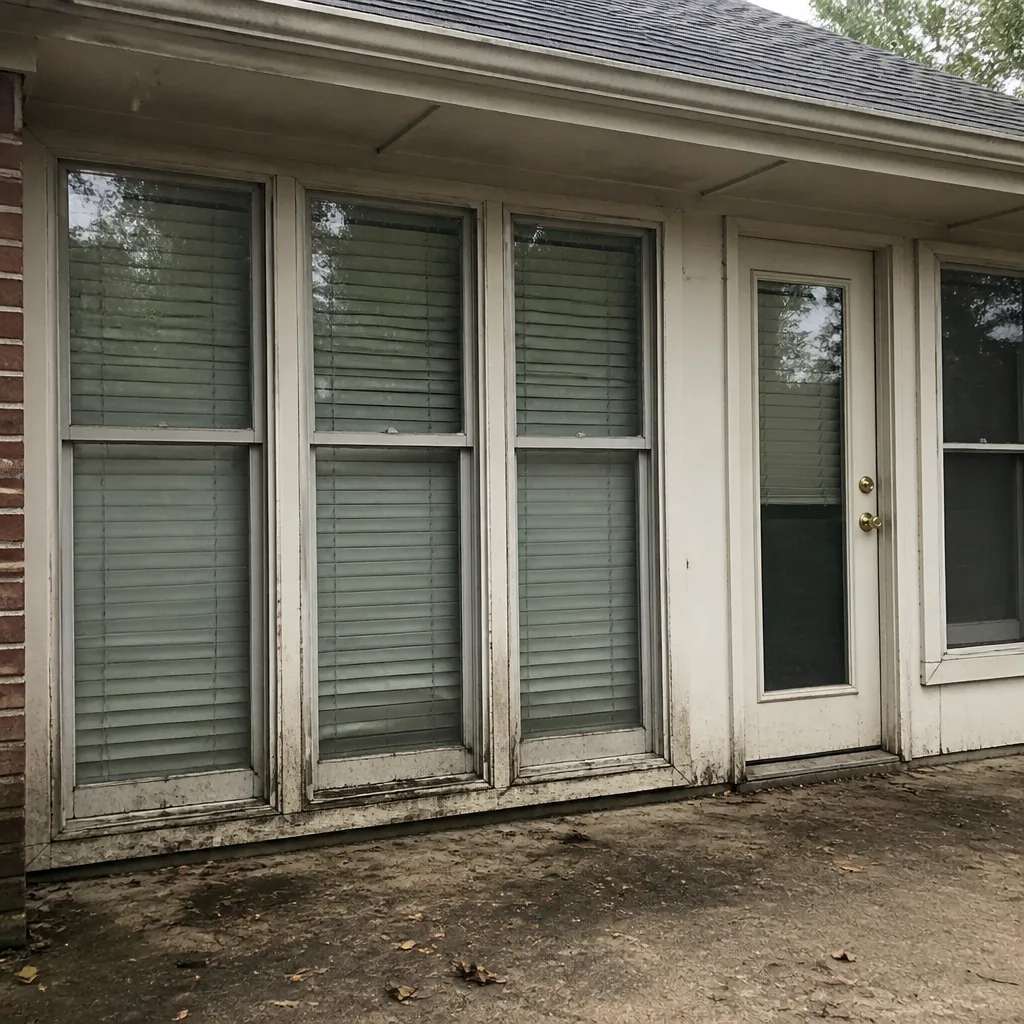 Before
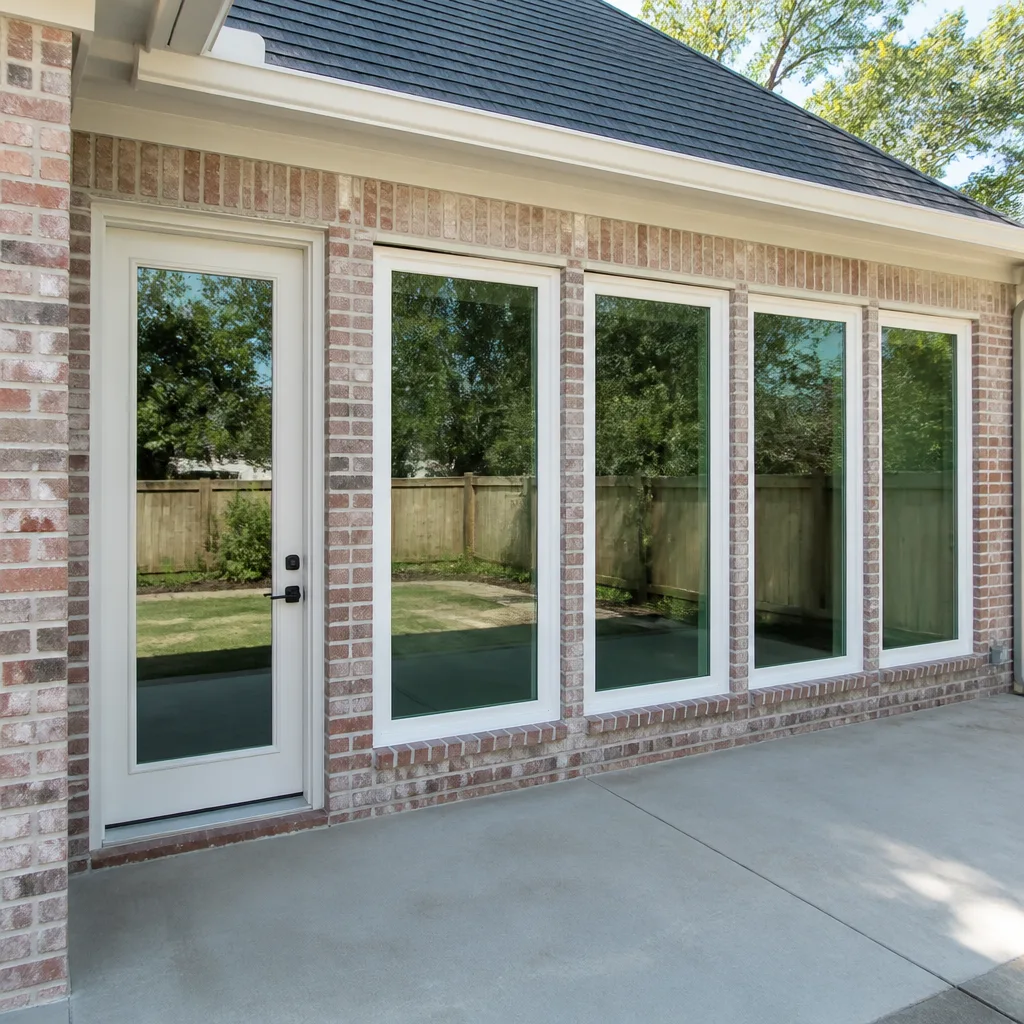 After
After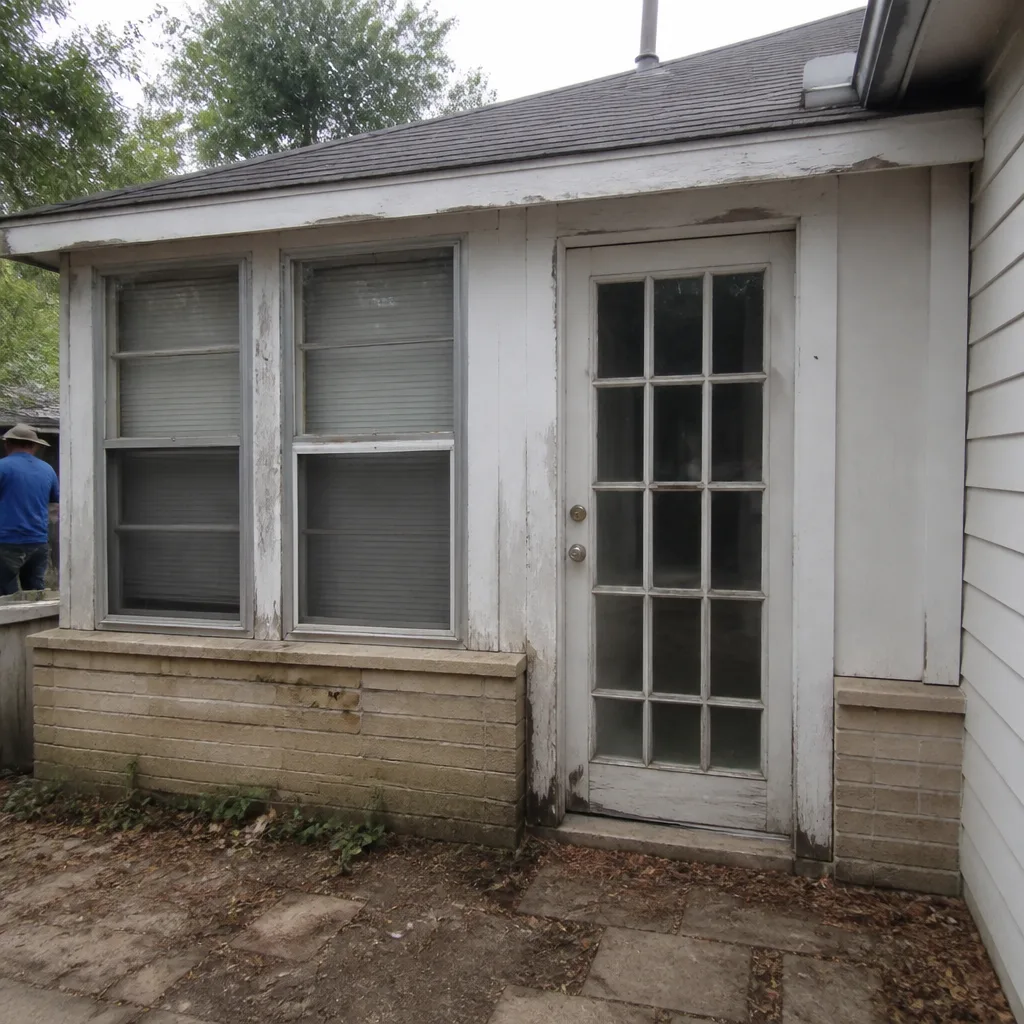 Before
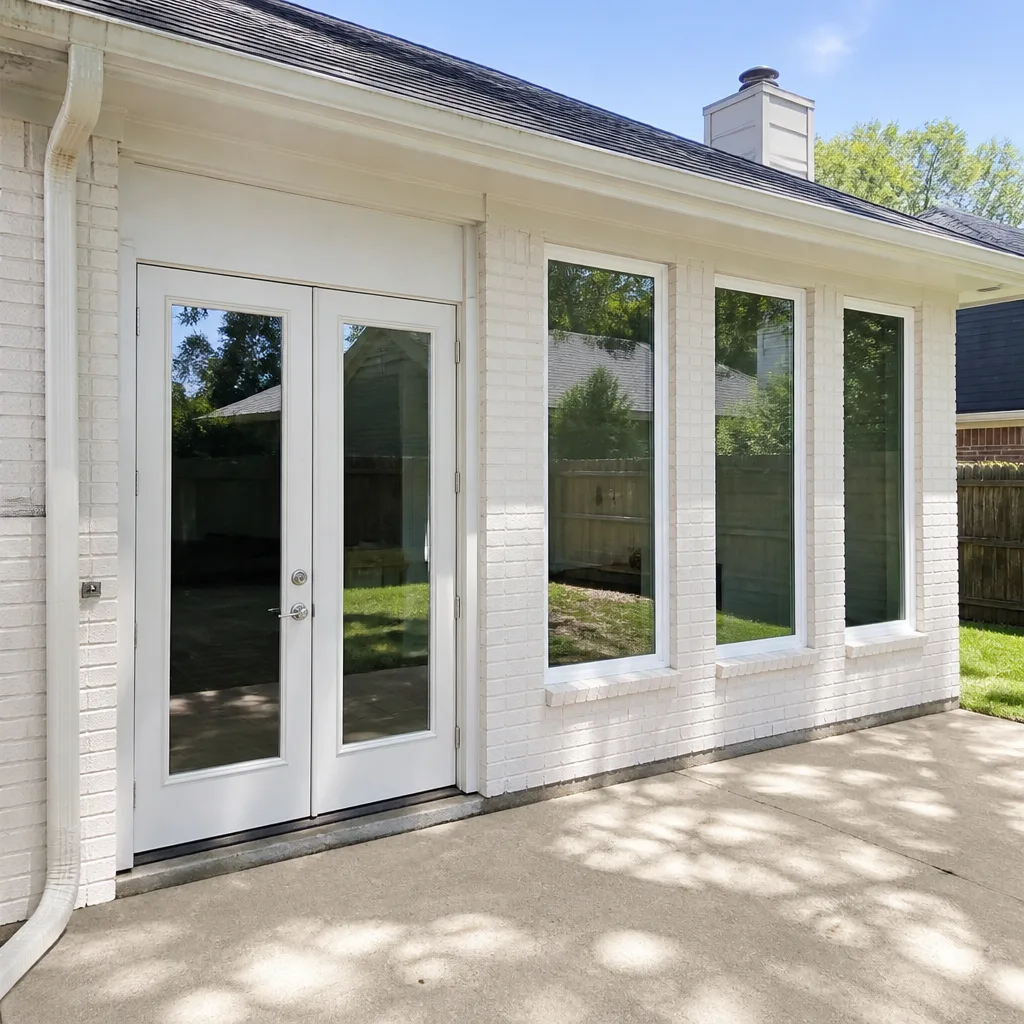 After
After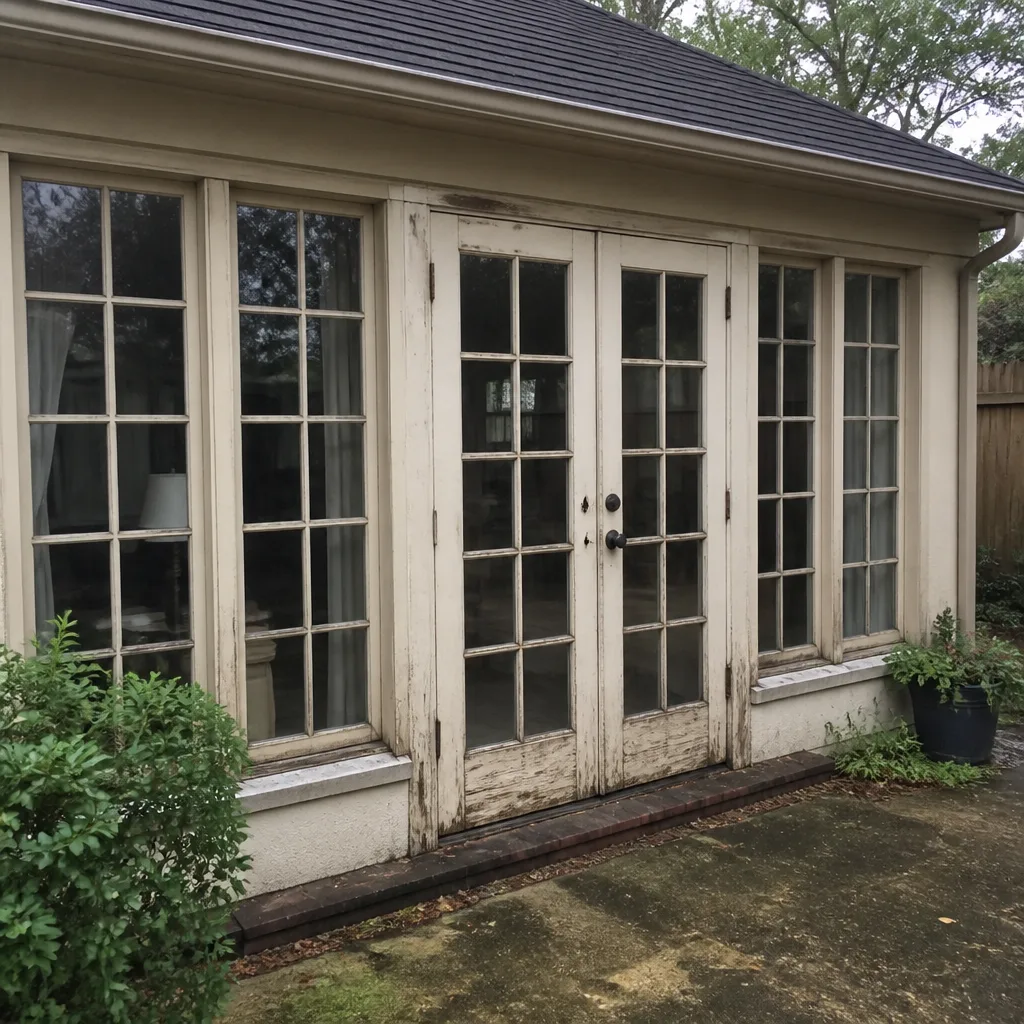 Before
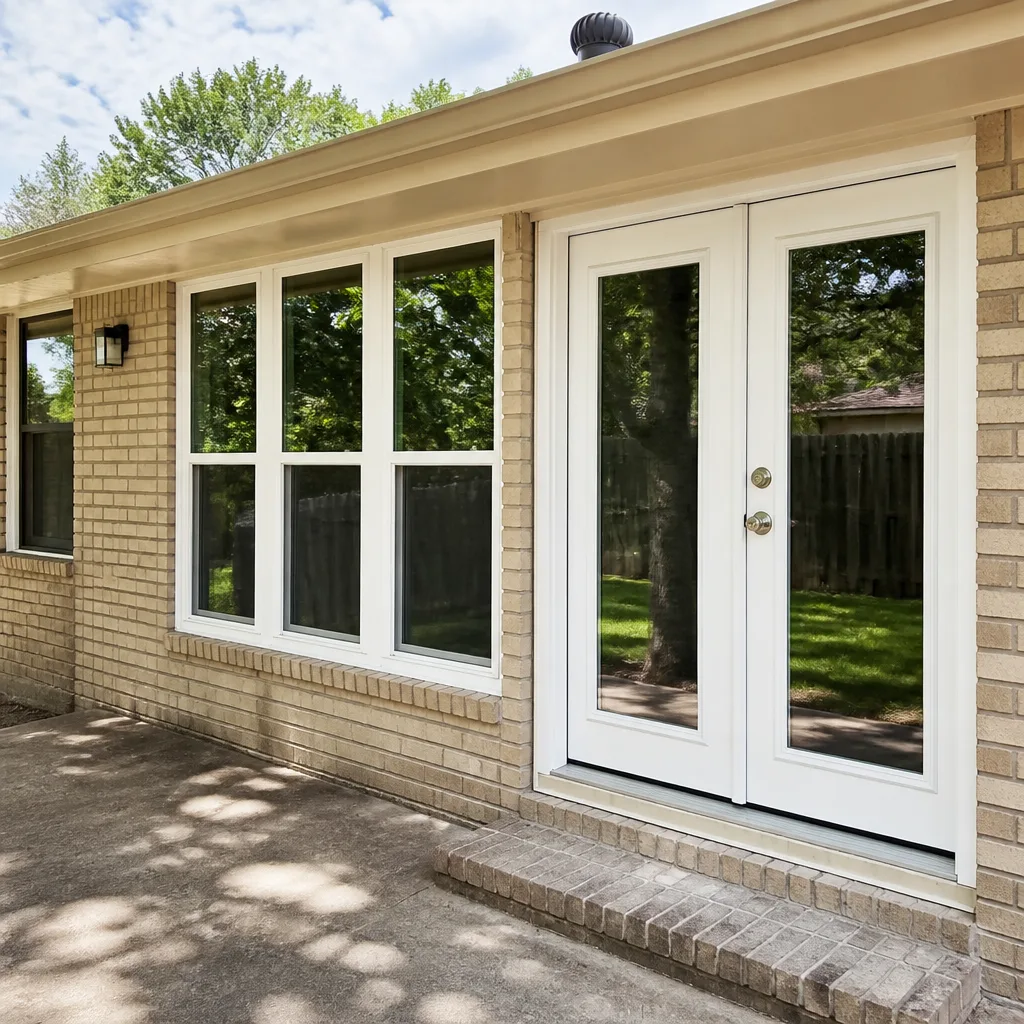 After
AfterSix Reasons Homeowners Choose Lightwell Windows Houston
Laminated glass and reinforced frames hold up to wind-driven rain, hail and flying debris, so your openings stay sealed when the weather turns.
Low-E insulated impact glass from our manufacturer lines commonly cuts monthly cooling bills 20-30%.
Laminated impact glass shuts out up to 40% of outside noise - traffic, neighbors, weather.
Monitoring services run $30-90 a month. Laminated impact glass resists forced entry around the clock, with no subscription.
Tighter seals and insulated glass even out hot and cold rooms and stop the drafts at the frame.
A full impact package upgrades curb appeal, buyer confidence and appraised value in one project.